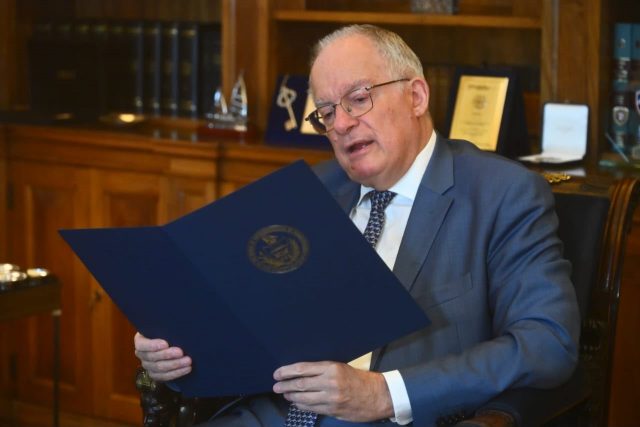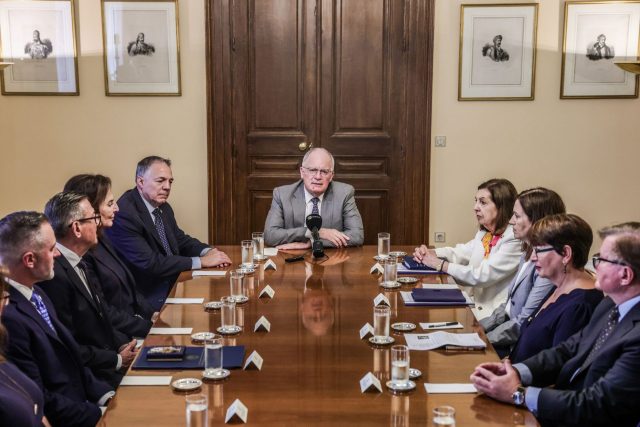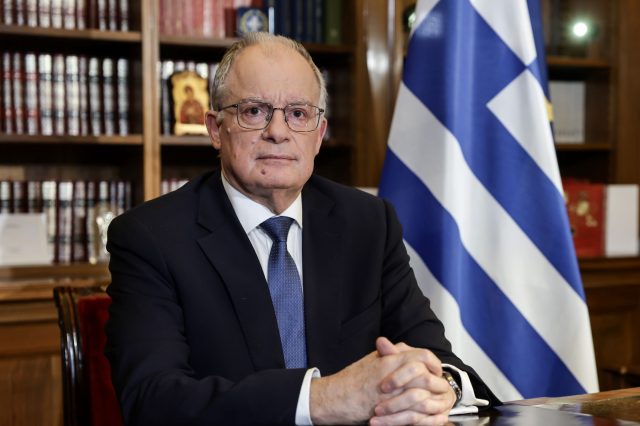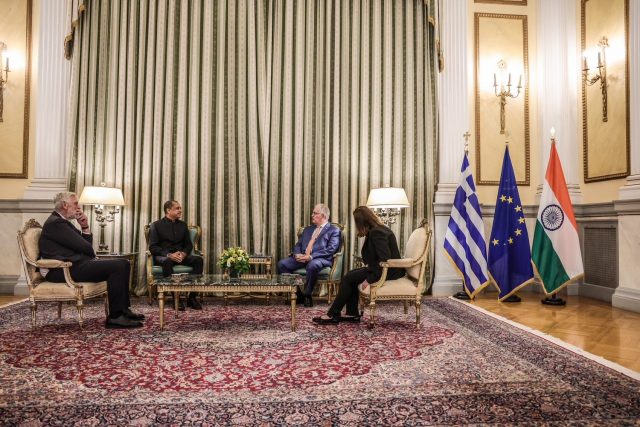
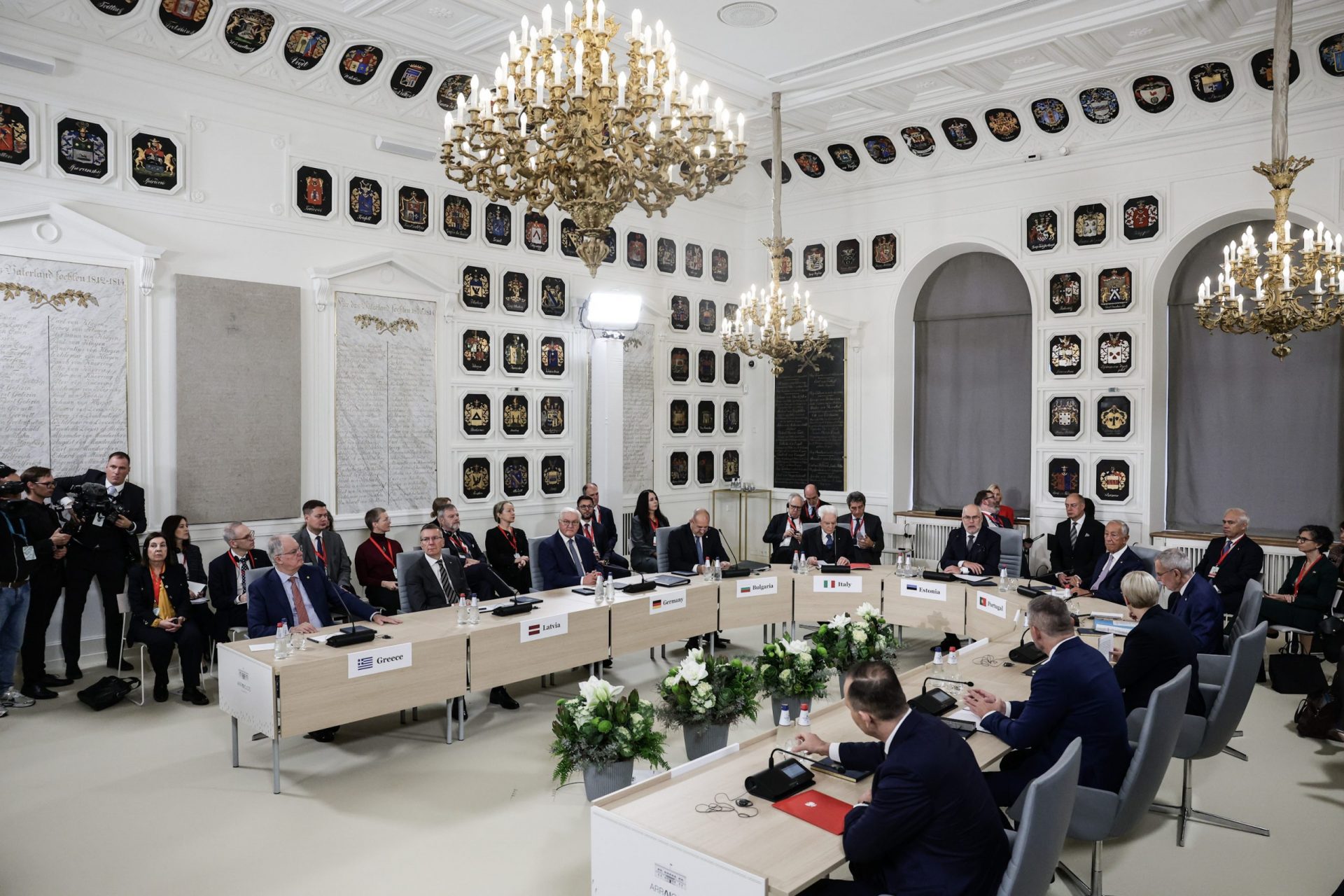
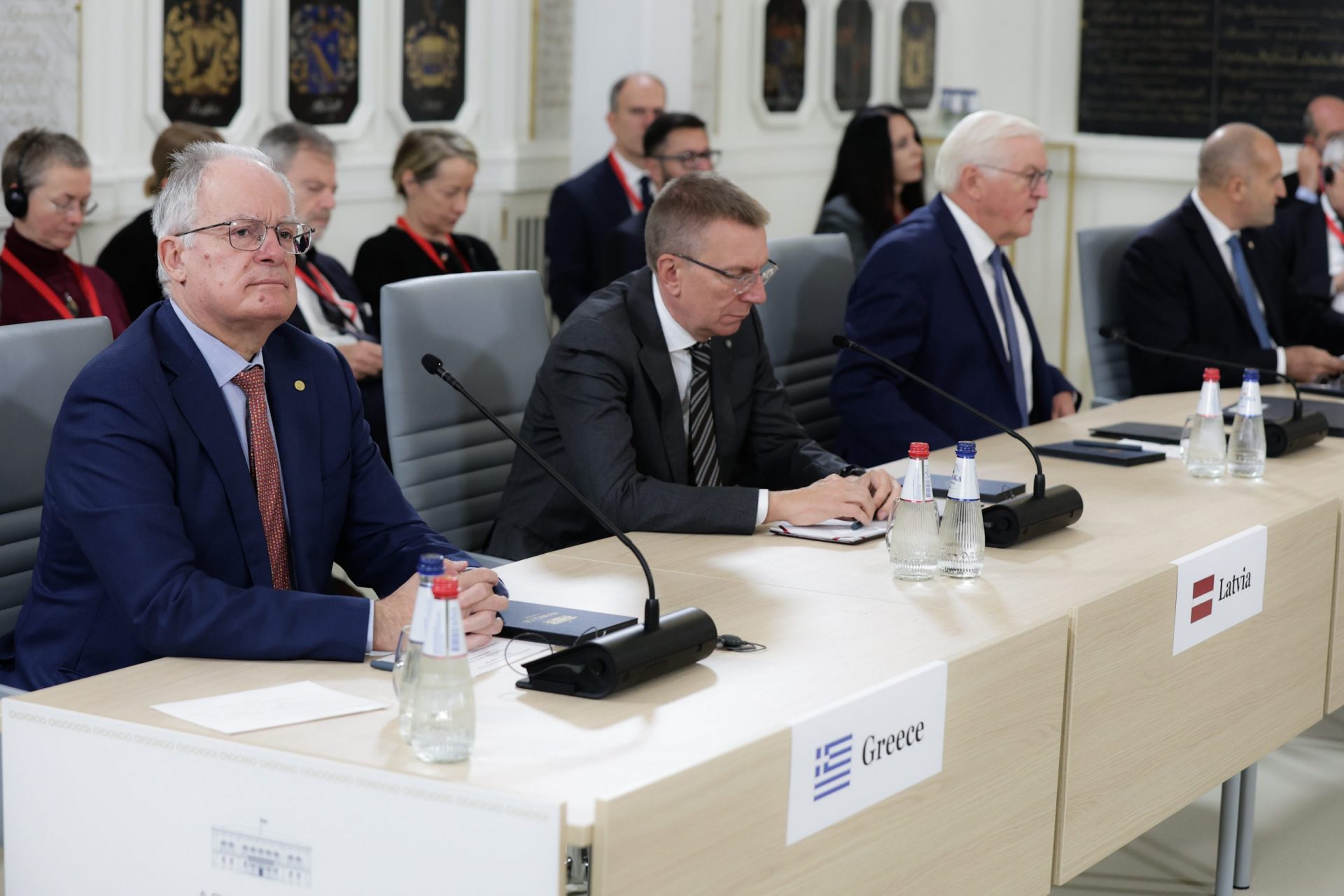
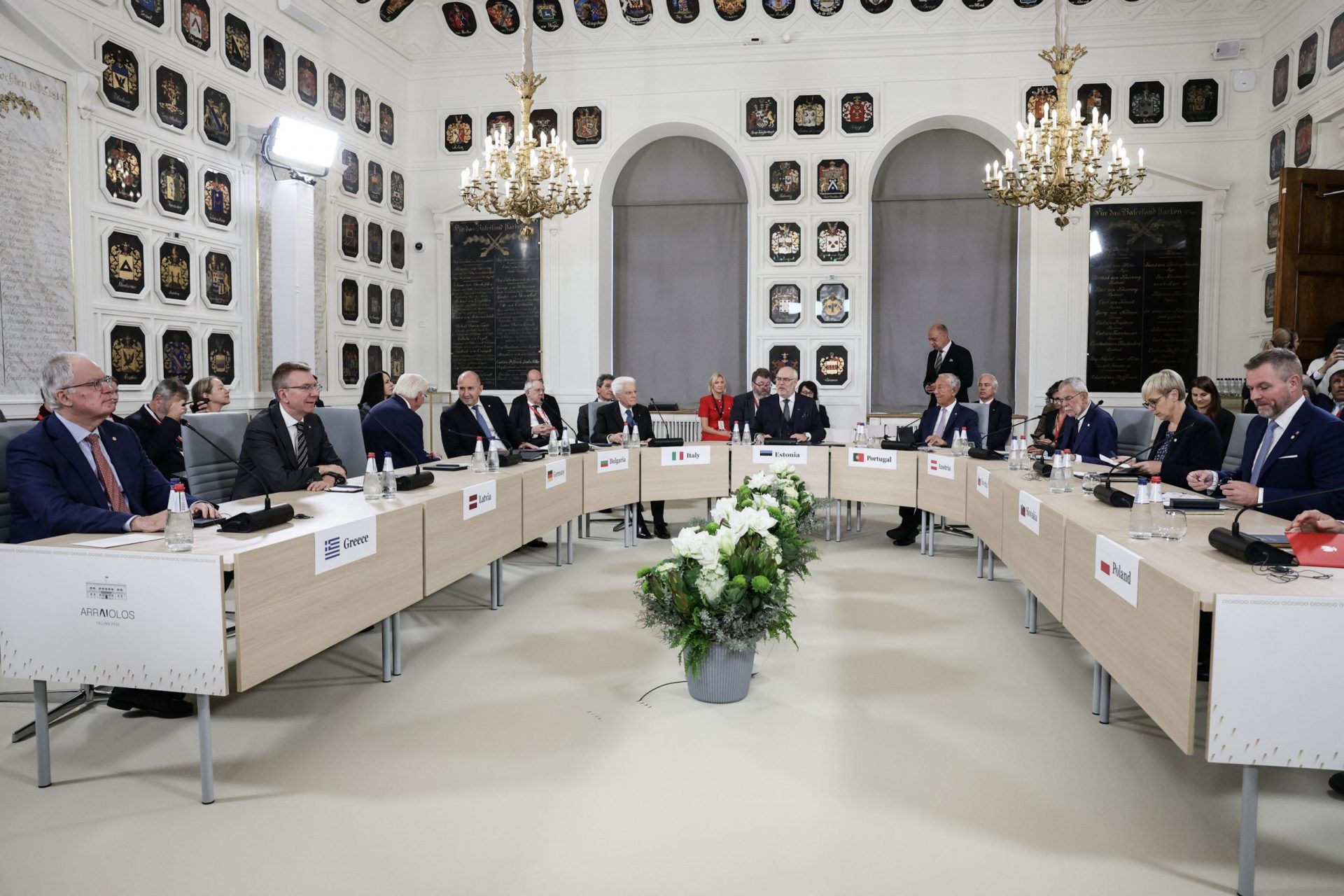
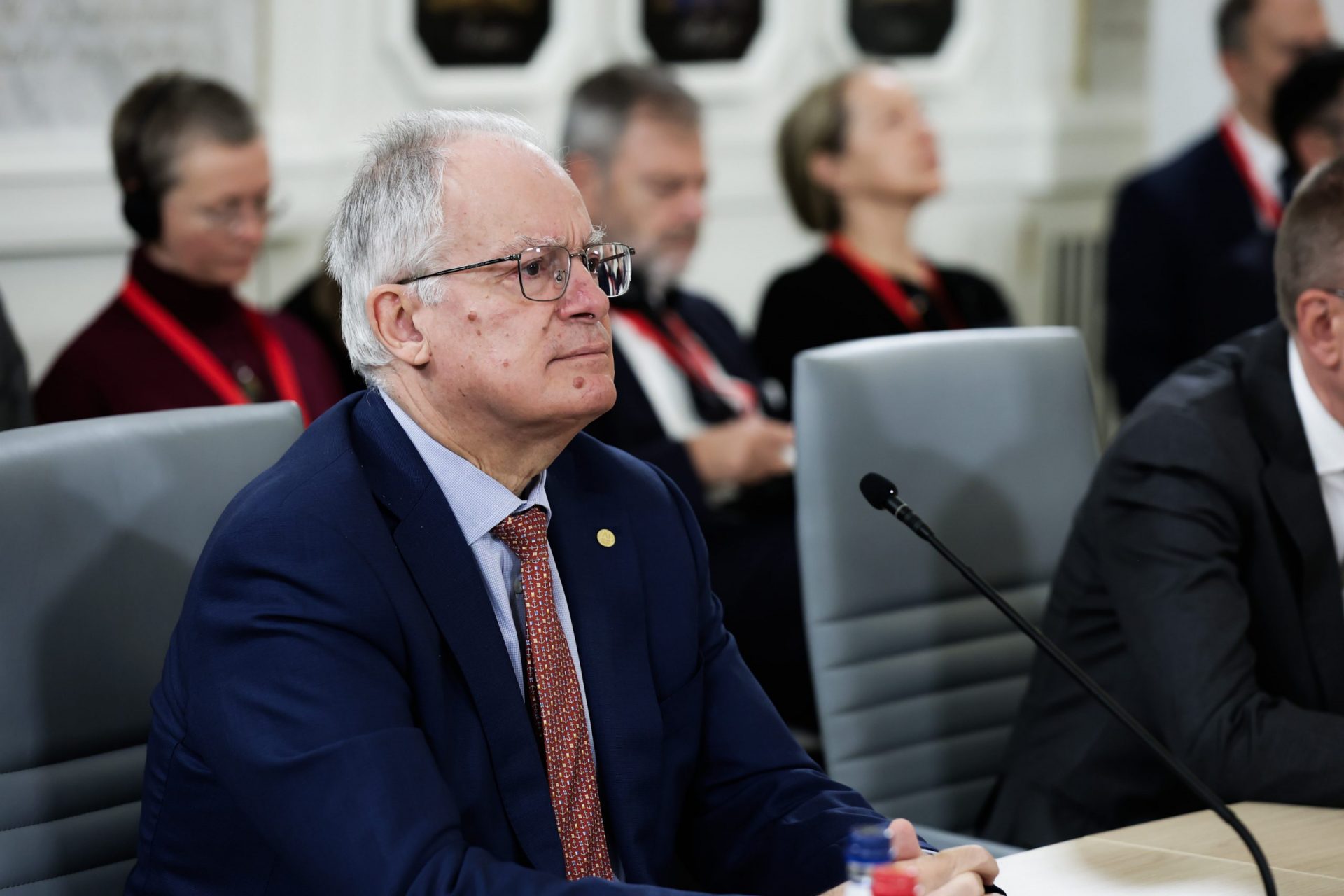
The President of the Hellenic Republic Constantine An. Tassoulas, at the invitation of the President of Estonia, Alar Karis, is participating in the Informal Meeting of the Heads of State of the Arraiolos Group, held in Tallinn and included three working meetings in which were discussed the developments in the Middle East, the security of Europe and the challenge of artificial intelligence.
In light of recent developments in the Middle East, the President of the Hellenic Republic welcomed the agreement between Israel and Hamas for the first phase of US President Trump’s peace plan for Gaza, which will lead to a ceasefire, increased humanitarian aid and the release of all hostages. In this context, he stressed the importance of compliance with the terms of the agreement by all parties.
He expressed Greece’s readiness to assist in every way possible to improve the humanitarian situation, reminding that our country has already participated in the humanitarian air corridor from Jordan to Gaza and has accepted children from the Strip for treatment in Greek hospitals. He also said that Greece remains committed to the two-state solution, which will be achieved through a political process, on the basis of the relevant United Nations Resolutions.
In this framework, he expressed our country’s concern about the security situation in the West Bank and the increased violence of the settlers, against Christian communities, among others, and called for the safeguarding of the status quo of the Holy Land in the Old City of Jerusalem.
In his speech regarding the state of security in Europe, the President initially noted that Greece would continue to provide its unconditional support to Ukraine and its efforts to bring about peace. Our country, as Mr. Tassoulas stressed, could not do otherwise, since the fight of the Ukrainian people for freedom, democracy and independence is a common fight for the principles of the United Nations Charter, on which the post-war international order is based, and have been brutally violated for 51 years by the illegal Turkish invasion and occupation of Cyprus.
The President of the Hellenic Republic referred to the urgent need to strengthen common European capabilities in the field of defense, in order for the European Union to be able to effectively defend its values and respond decisively to the challenges and crises of the future, while of course, taking into account the security interests of all member states.
Finally, at the meeting, which was on the topic of “Artificial intelligence: a friend or an enemy?”, the President of the Republic in his intervention stressed the National Strategy for Artificial Intelligence, which Greece has adopted and is based on four essential pillars: education, innovation, ethics, and public trust. “These are not mere administrative priorities, they are moral commitments. For technology evolves relentlessly, and our moral responsibility must evolve with it.”
He referred to the creation of AI Pharos – one of Europe’s first AI Factories – which alongside the Daedalus supercomputer, places our country at the forefront of the European digital transformation. As the discussion continued, he stressed:
“Artificial intelligence is a remarkable achievement of the human mind, but it lacks what defines humanity most profoundly: conscience, empathy, and personal will. It can simulate, predict, and decide, but it cannot endow meaning. The danger lies not in the machine itself, but in our surrender to it – when we relinquish the responsibility to judge and discern. Therefore, our task as democracies is to preserve human judgment as the final arbiter and to ensure that ethical reasoning remains the compass of progress. “