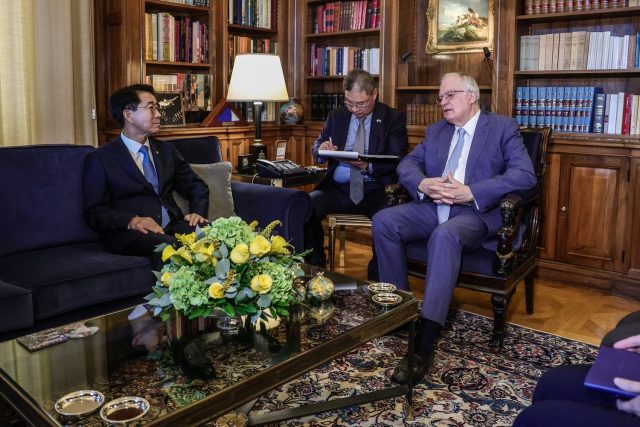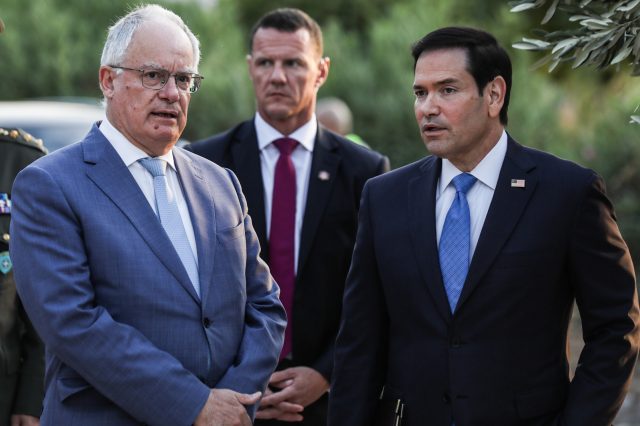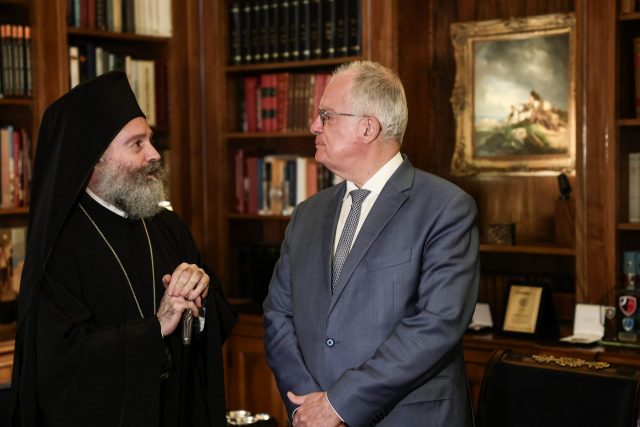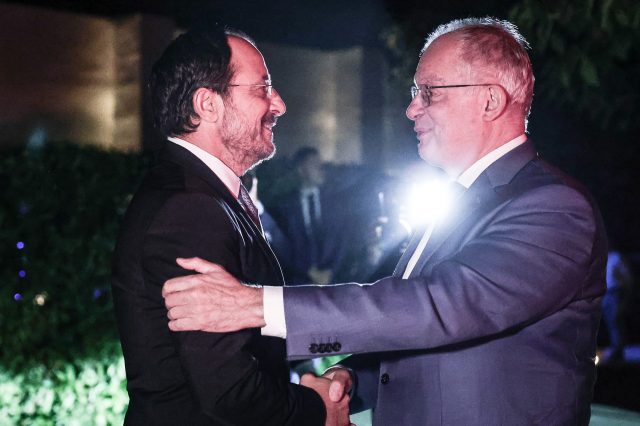
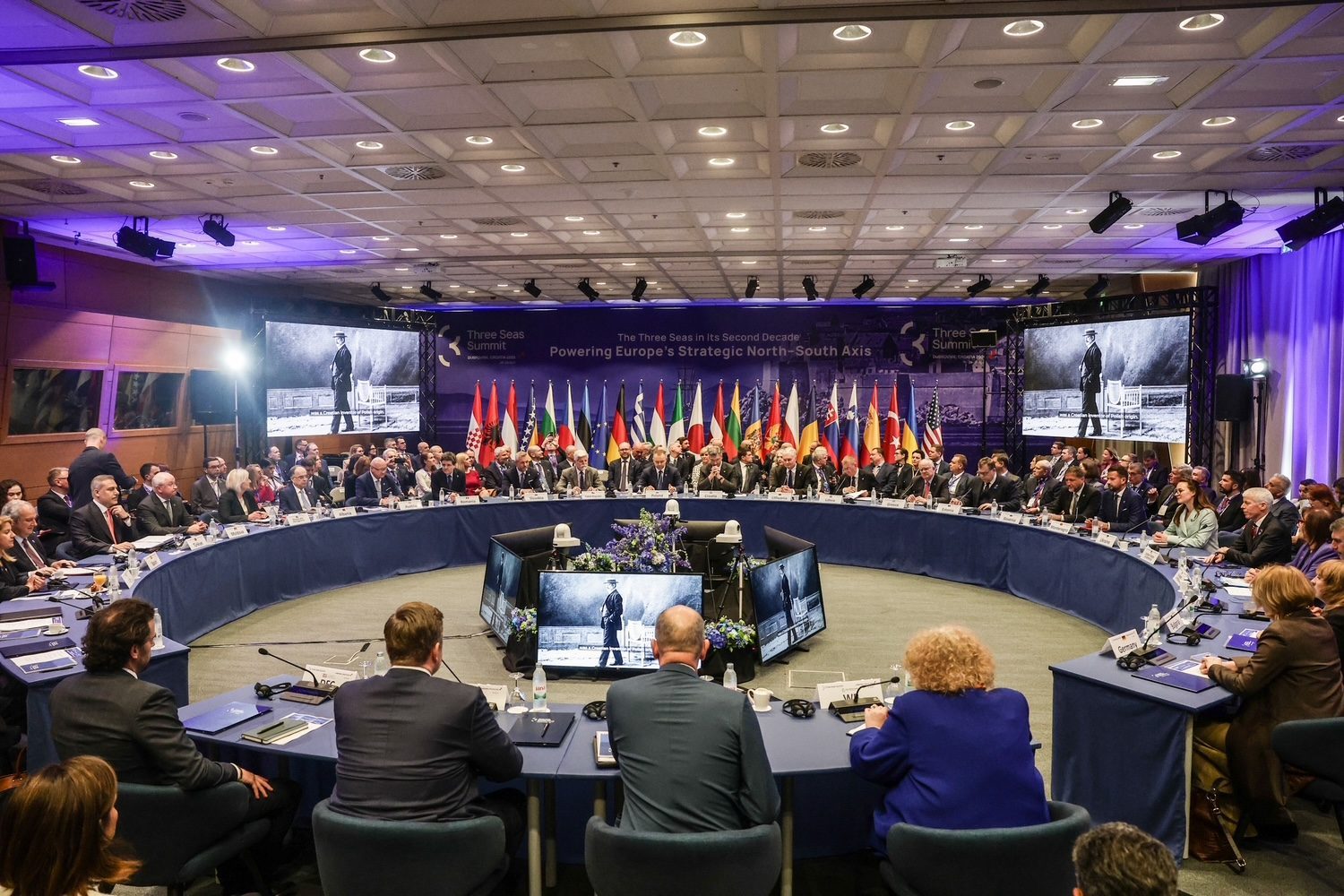
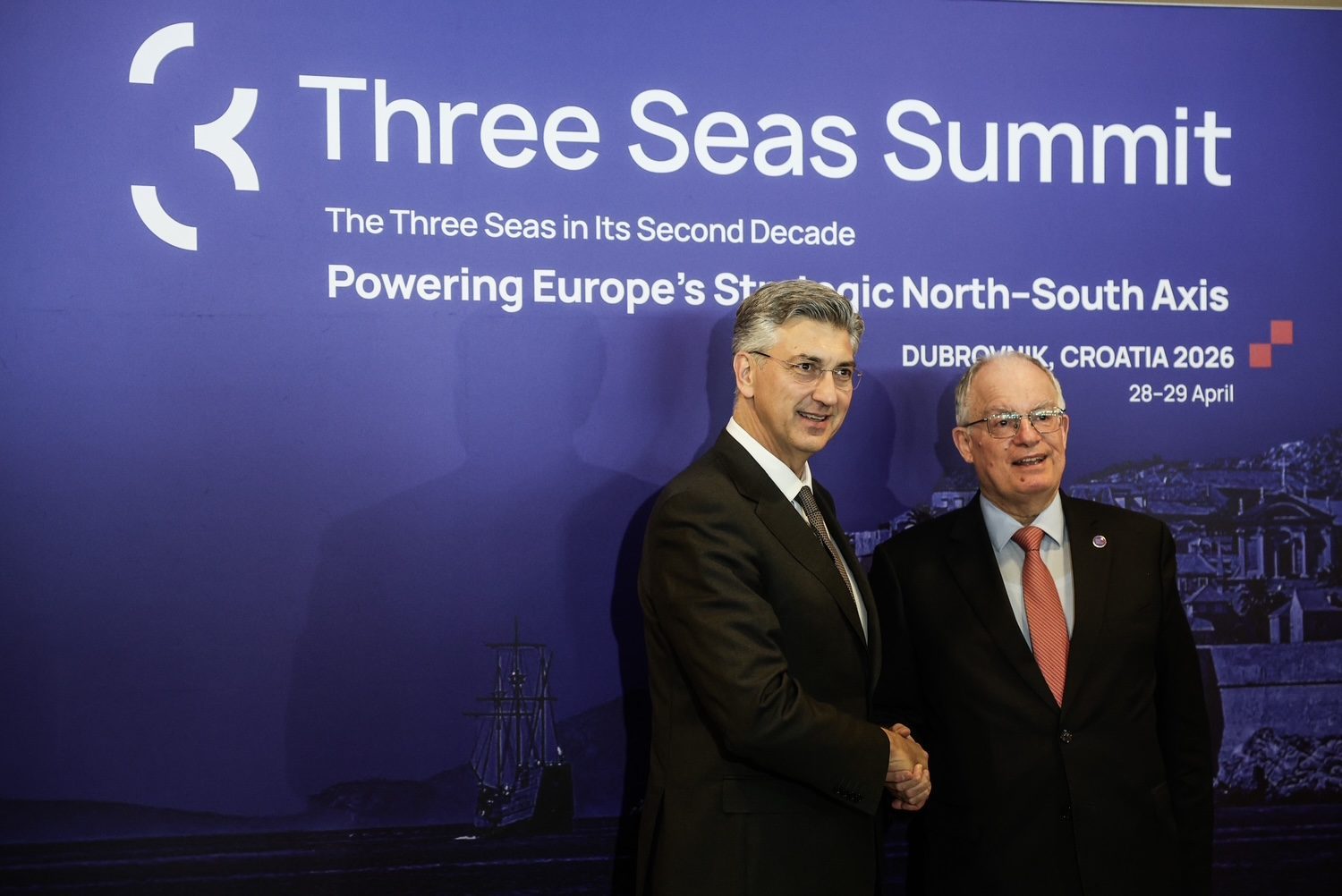
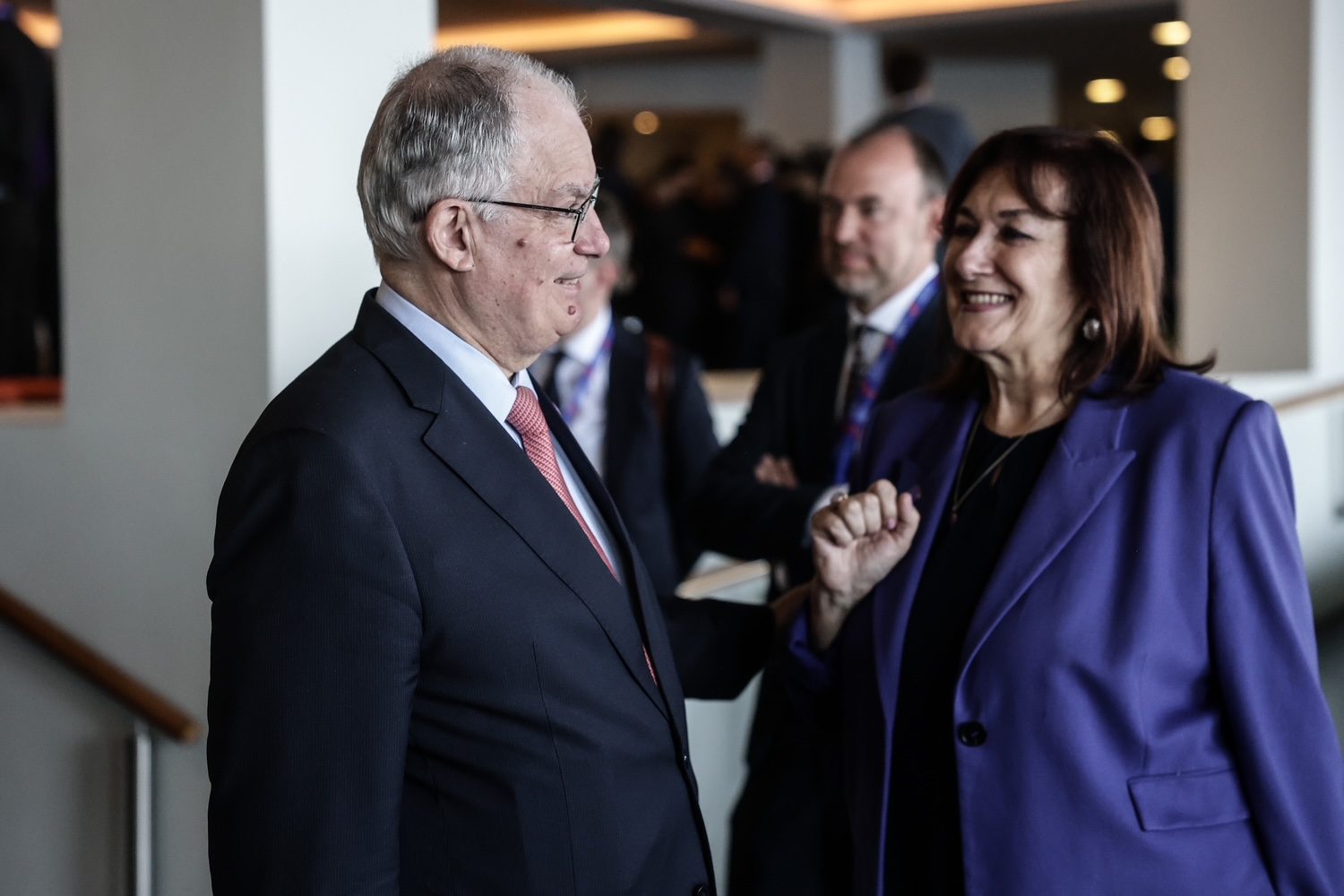
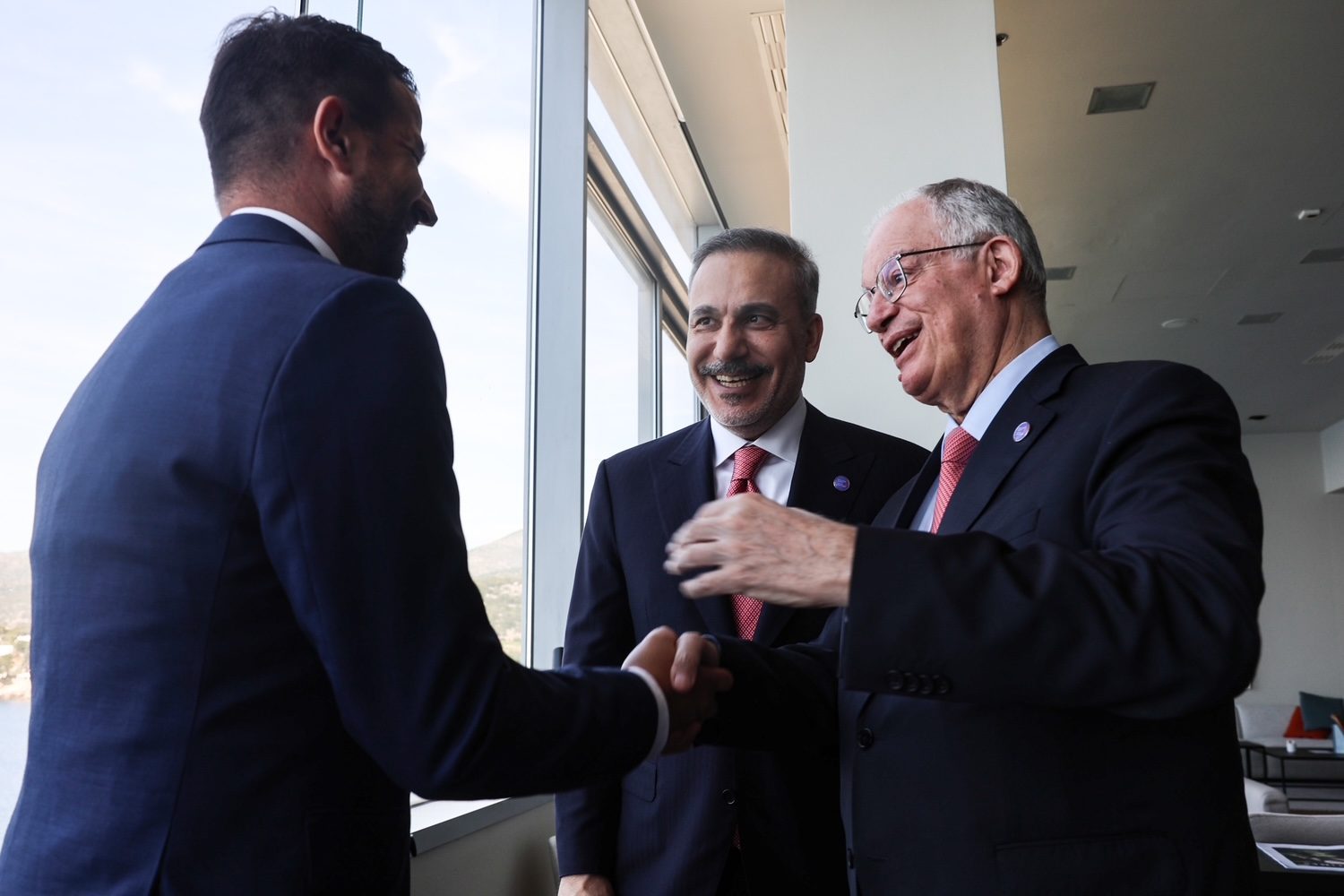
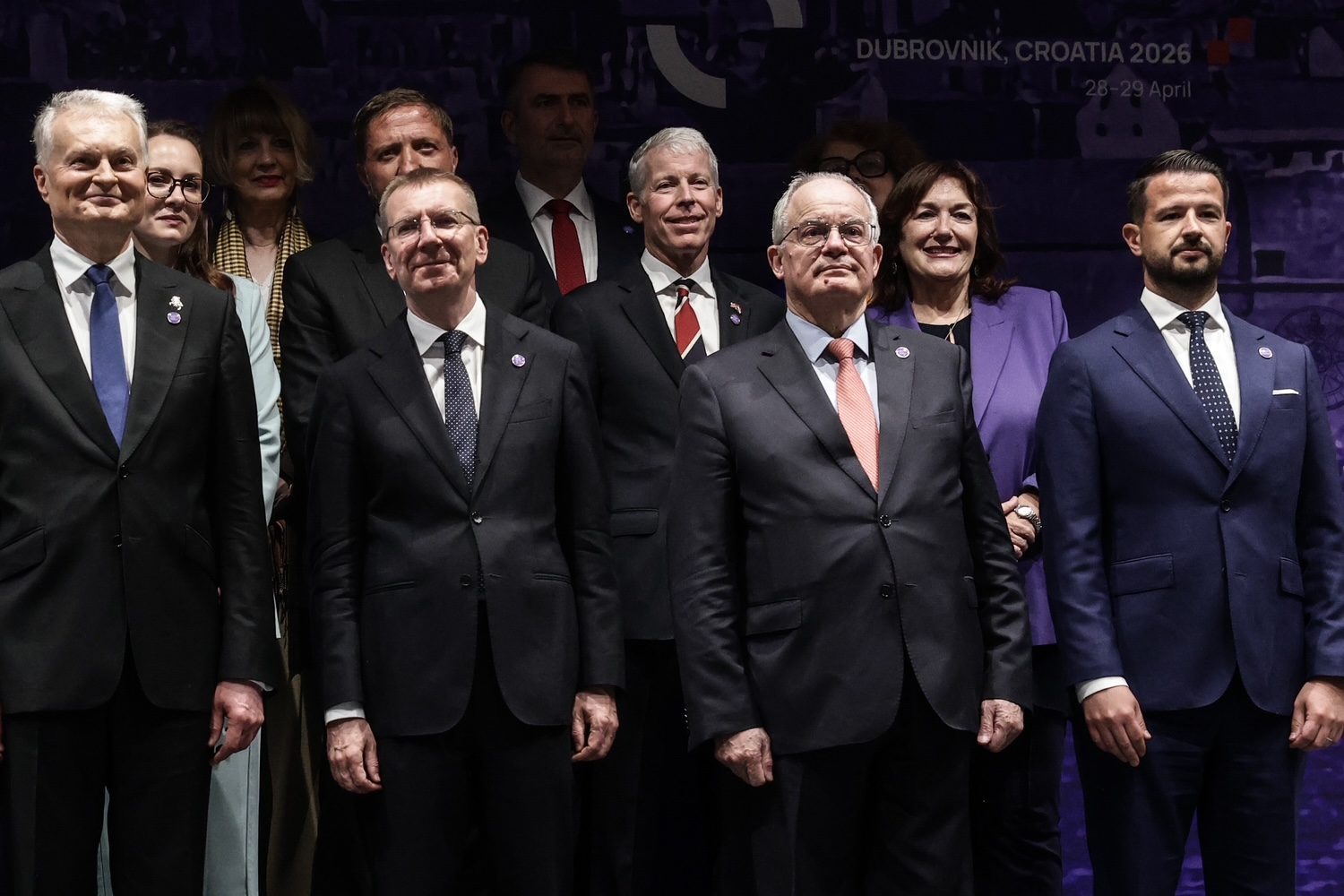
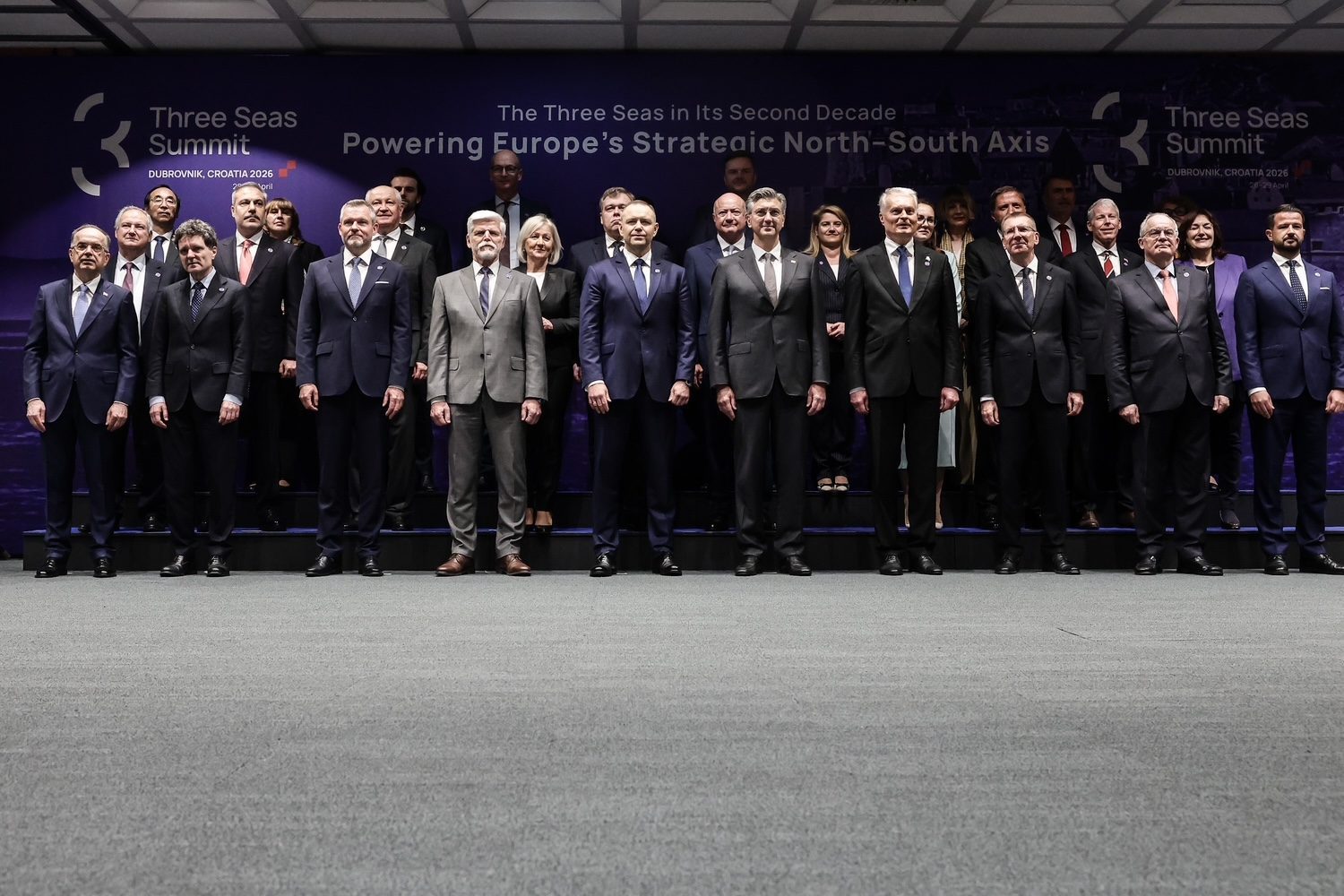
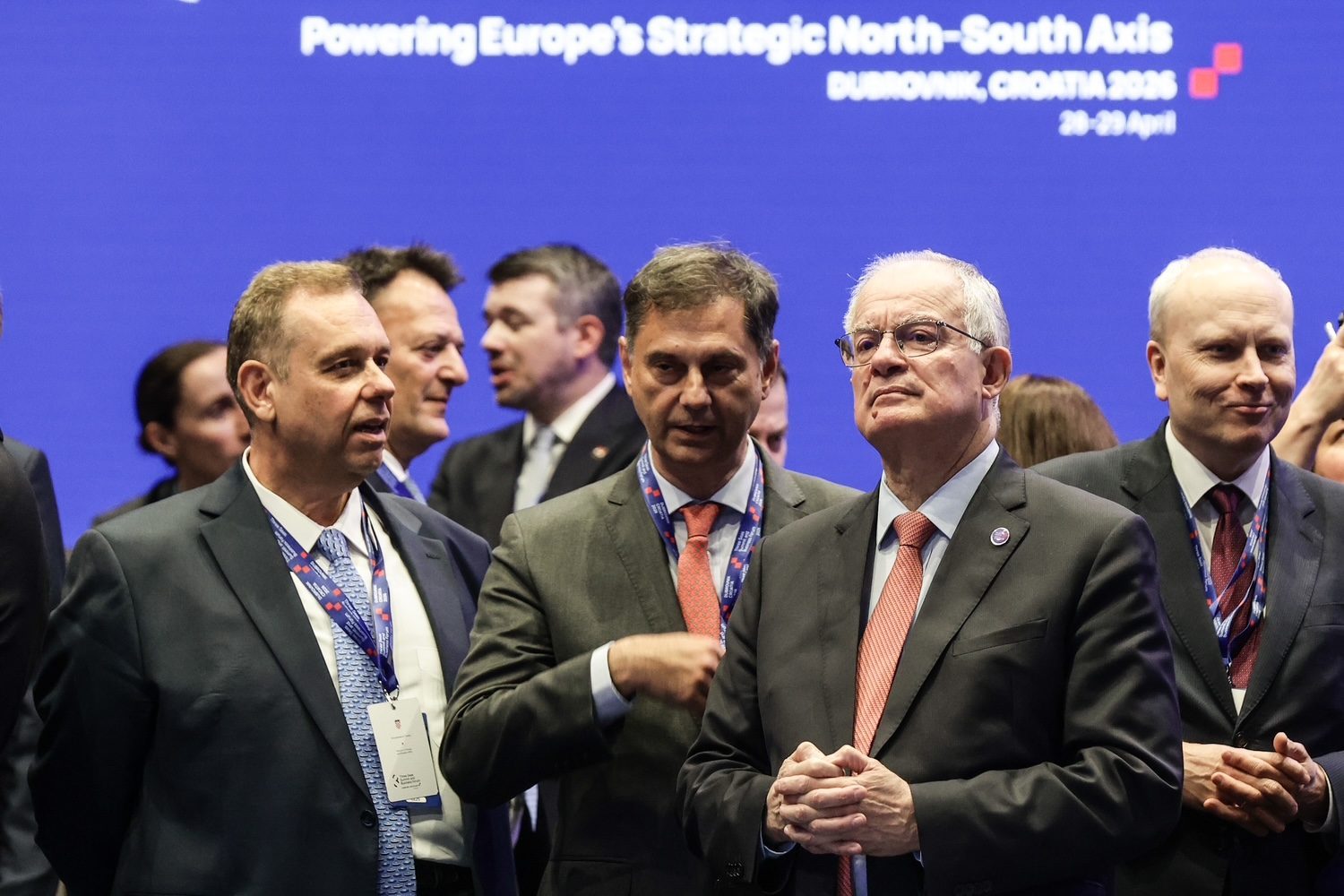
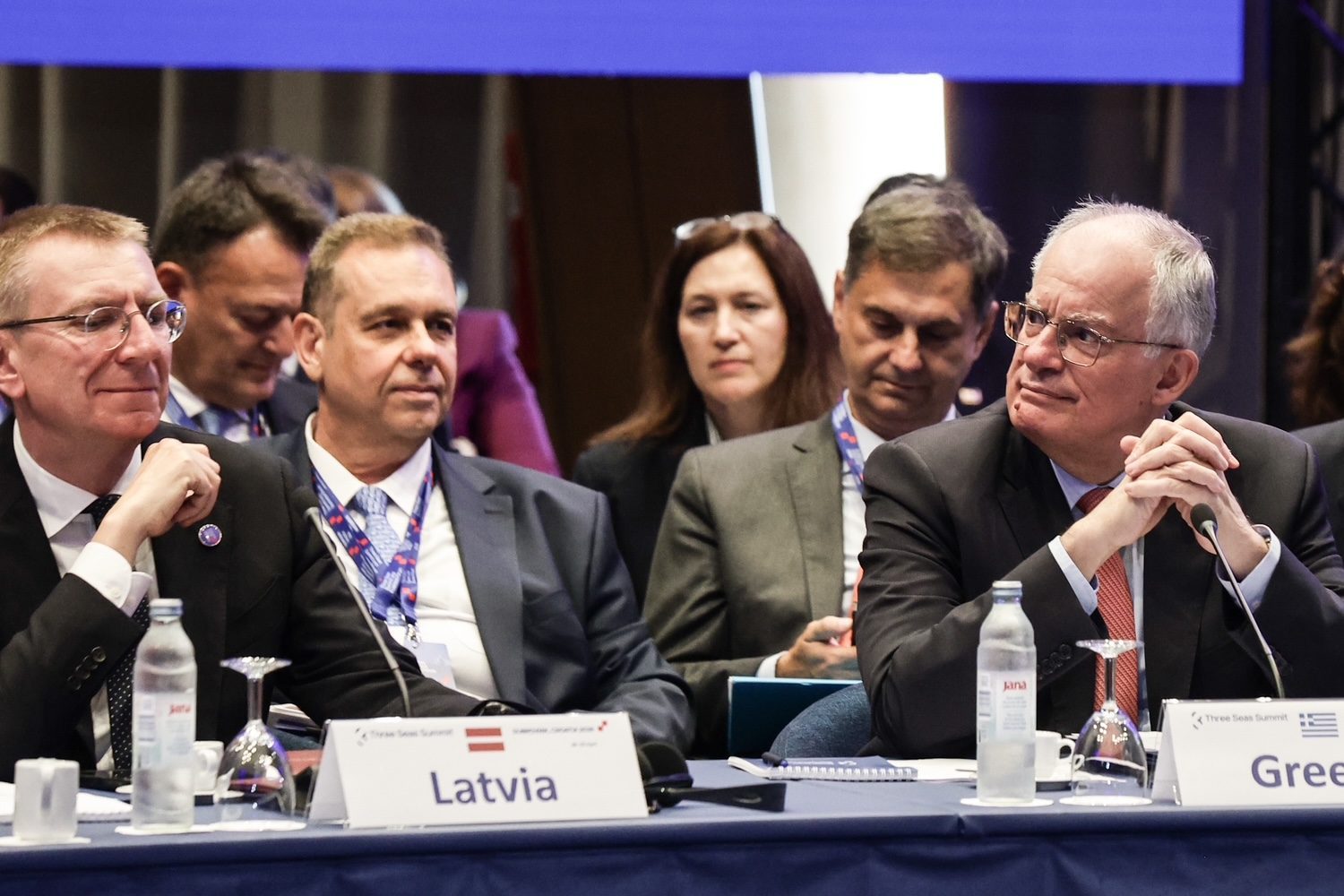
The President of the Hellenic Republic Constantine An. Tassoulas participated, at the invitation of the President of Croatia Andrej Plenković, in the 11th Summit of the Three Seas Initiative, which is being held in Dubrovnik.
Mr. Tassoulas’ intervention follows:
“Your Excellencies,
Ladies and Gentlemen,
At first, allow me to welcome Italy to the Three Seas Initiative and to the Summit.
It is a great pleasure to be with you today in Dubrovnik for the 11th Summit of the Three Seas Initiative. I would like to warmly thank, our host, Prime Minister Plenković for his kind invitation, as well as the Croatian Presidency for its excellent preparation and generous hospitality. We gather here not only as neighbors, but as partners united by a common purpose: to build a stronger, more connected, more resilient and more secure Europe.
Our region has the potential to become one of Europe’s principal engines of growth. To unlock this potential, we must continue to invest in the infrastructure that binds us together—energy networks, transport corridors and digital connectivity. These investments not only foster economic prosperity, but also strengthen stability, resilience and strategic autonomy.
For this reason, Greece strongly supports initiatives that deepen interconnectivity across Europe, particularly in Central and Eastern Europe. We are therefore proud to participate as a full member of the Three Seas Initiative.
Greece’s participation adds a natural southern dimension to this common endeavor. Situated at the crossroads of Europe, Asia and Africa, my country is steadily strengthening its role as a reliable hub for energy, transport and logistics at the south-eastern edge of our continent.
In the field of energy, as Europe is moving towards the gradual elimination of its dependence on Russian natural gas, this transition is an opportunity to redesign our energy architecture on more resilient and diversified foundations. Greece contributes to a more resilient regional energy architecture, through major infrastructure projects, including LNG facilities and cross-border interconnections.
Our energy infrastructure is expanding rapidly. The Revithoussa LNG terminal and the Floating Storage and Regasification Unit (FSRU) in Alexandroupolis are already reinforcing supply diversification in Southeast Europe, enabling access to global LNG markets and supporting northbound flows through interconnected systems. These assets play a pivotal role in advancing initiatives such as the Vertical Gas Corridor, strengthening security of supply across the region and beyond through Bulgaria, Romania and Moldova up till Ukraine.
In this context, allow me to highlight a critical dimension of our common energy strategy: energy storage. As the 3SI advances its role in strengthening regional energy security, investment in storage capacities becomes indispensable. Underground gas storage facilities, LNG storage infrastructure and emerging battery systems can act as strategic buffers against supply disruptions and market volatility.
Turning to transport, Greece’s priority is the development of secure, coherent, resilient and interoperable networks, with particular emphasis on rail connectivity seamlessly linked to our major ports. In doing so, we can facilitate trade, improve competitiveness and create economies of scale for the benefit of all.
Ladies and Gentlemen,
The challenges we face today —economic, geopolitical and technological- are evolving at an unprecedented pace. They cannot be addressed in isolation. They demand cooperation, strategic foresight and a shared sense of purpose.
The Three Seas Initiative has already demonstrated its strategic relevance. It has become an important platform for practical cooperation and a force for cohesion across our wider region.
Together, we are shaping a resilient, modern and united region—thereby reinforcing the strength and cohesion of Europe as a whole.
Thank you”
The President of the Hellenic Republic Constantine An. Tassoulas is accompanied by the Deputy Minister of Foreign Affairs Ηaris Theoharis.