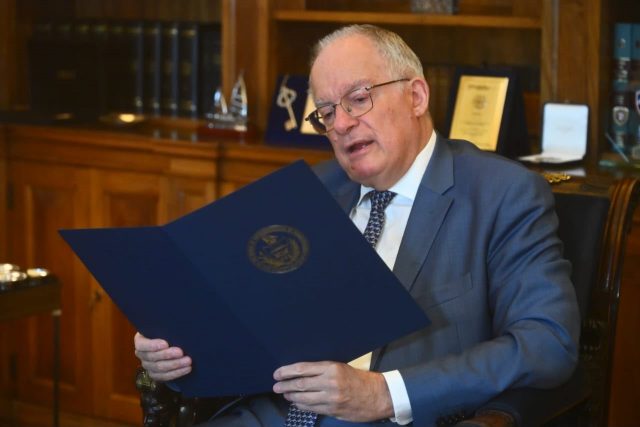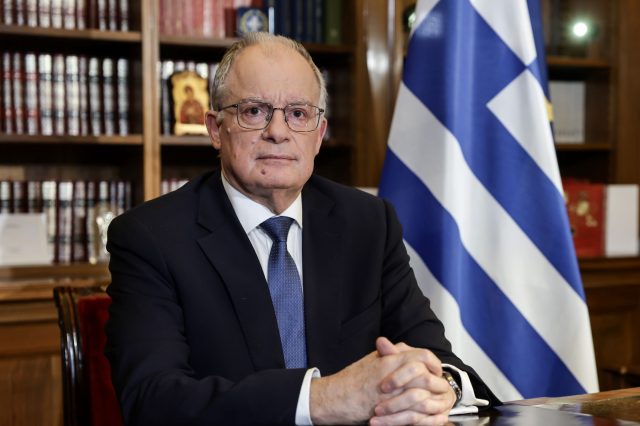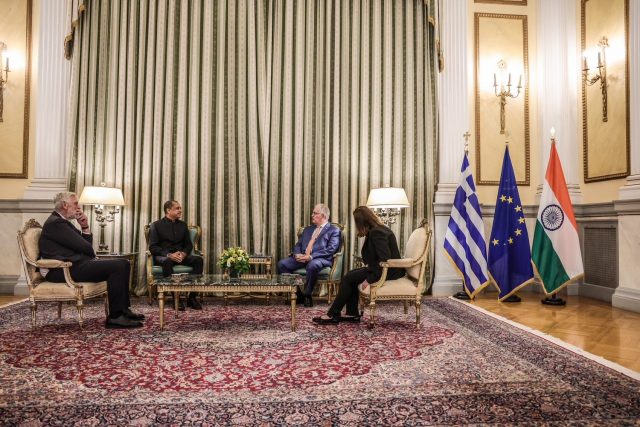
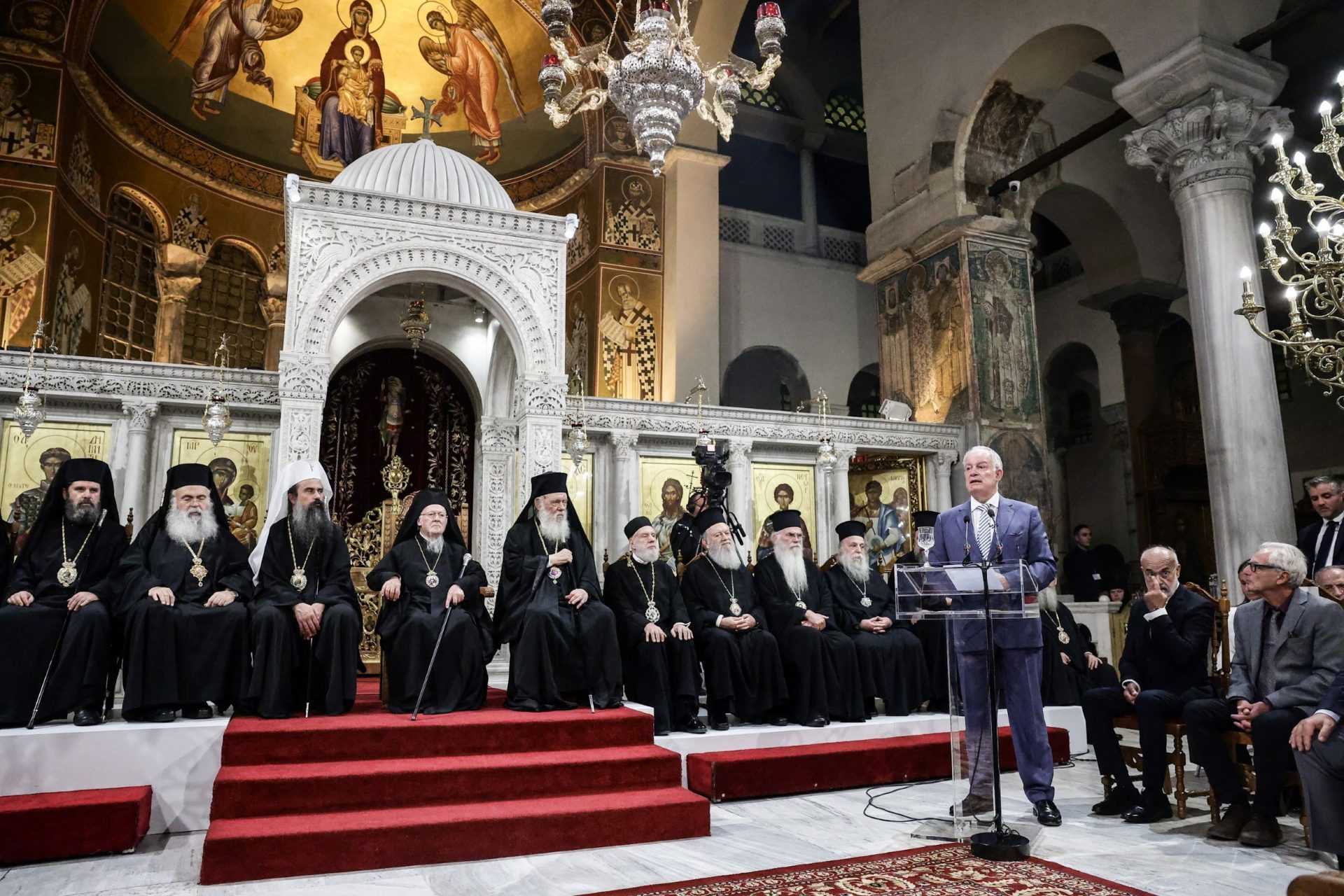
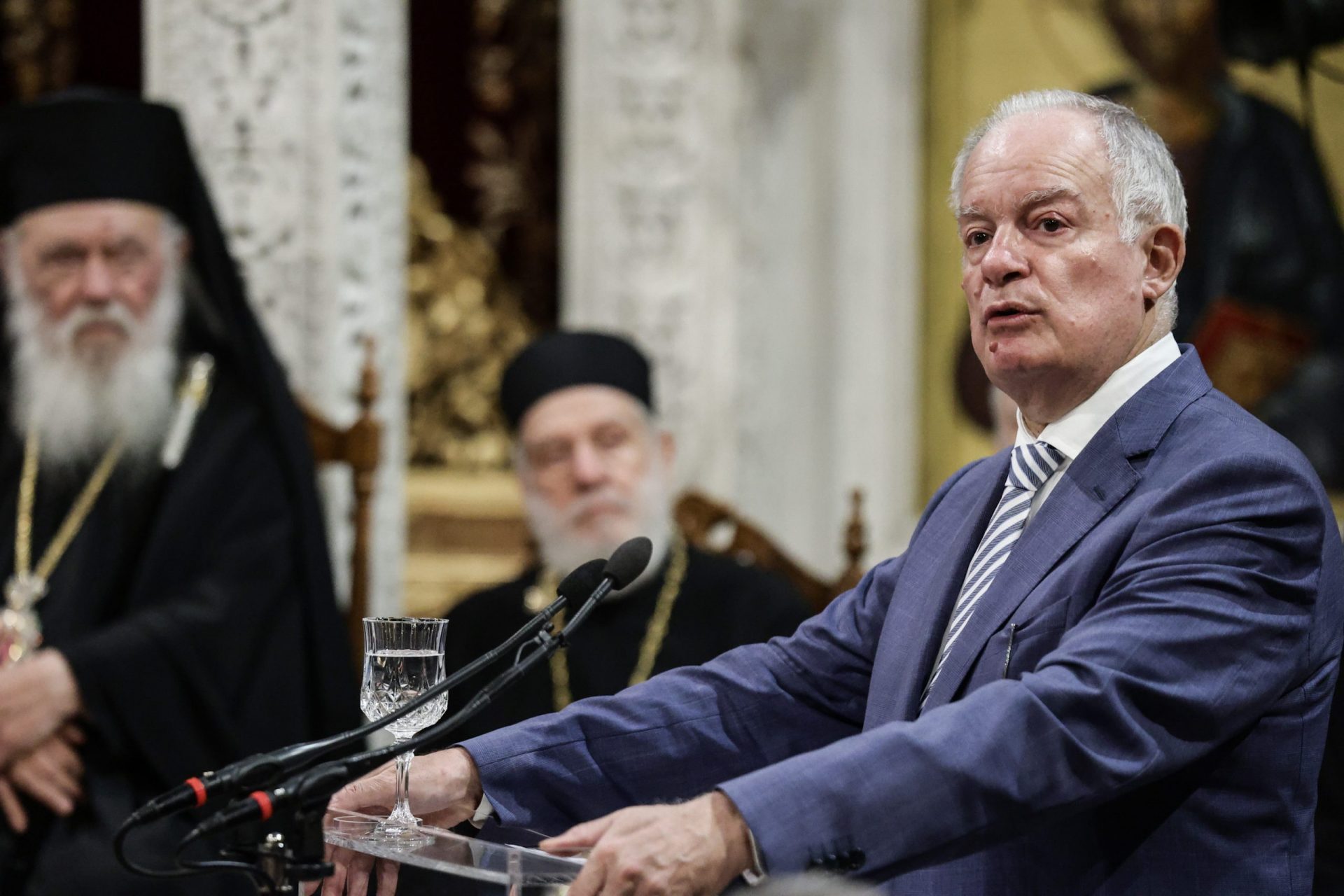
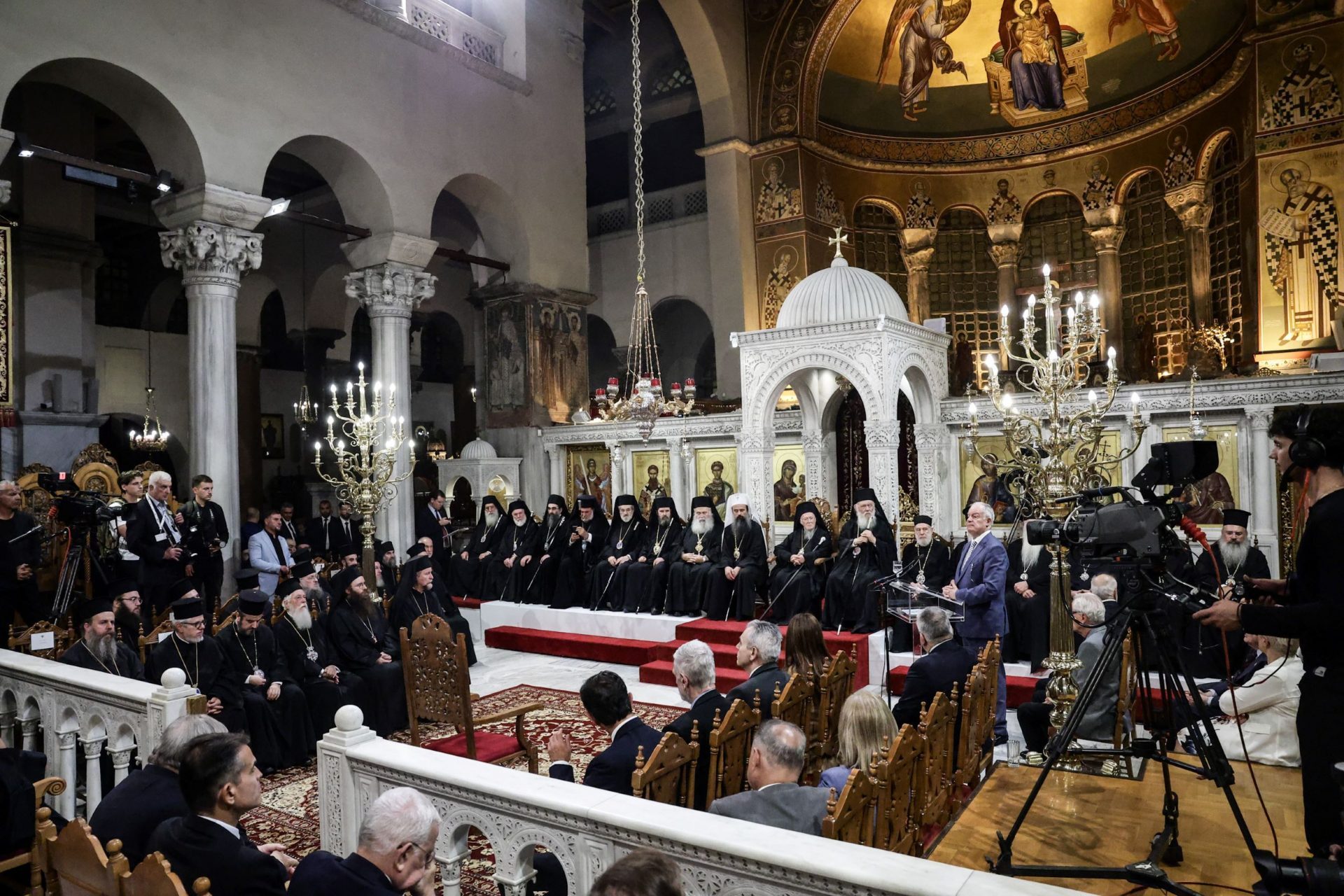
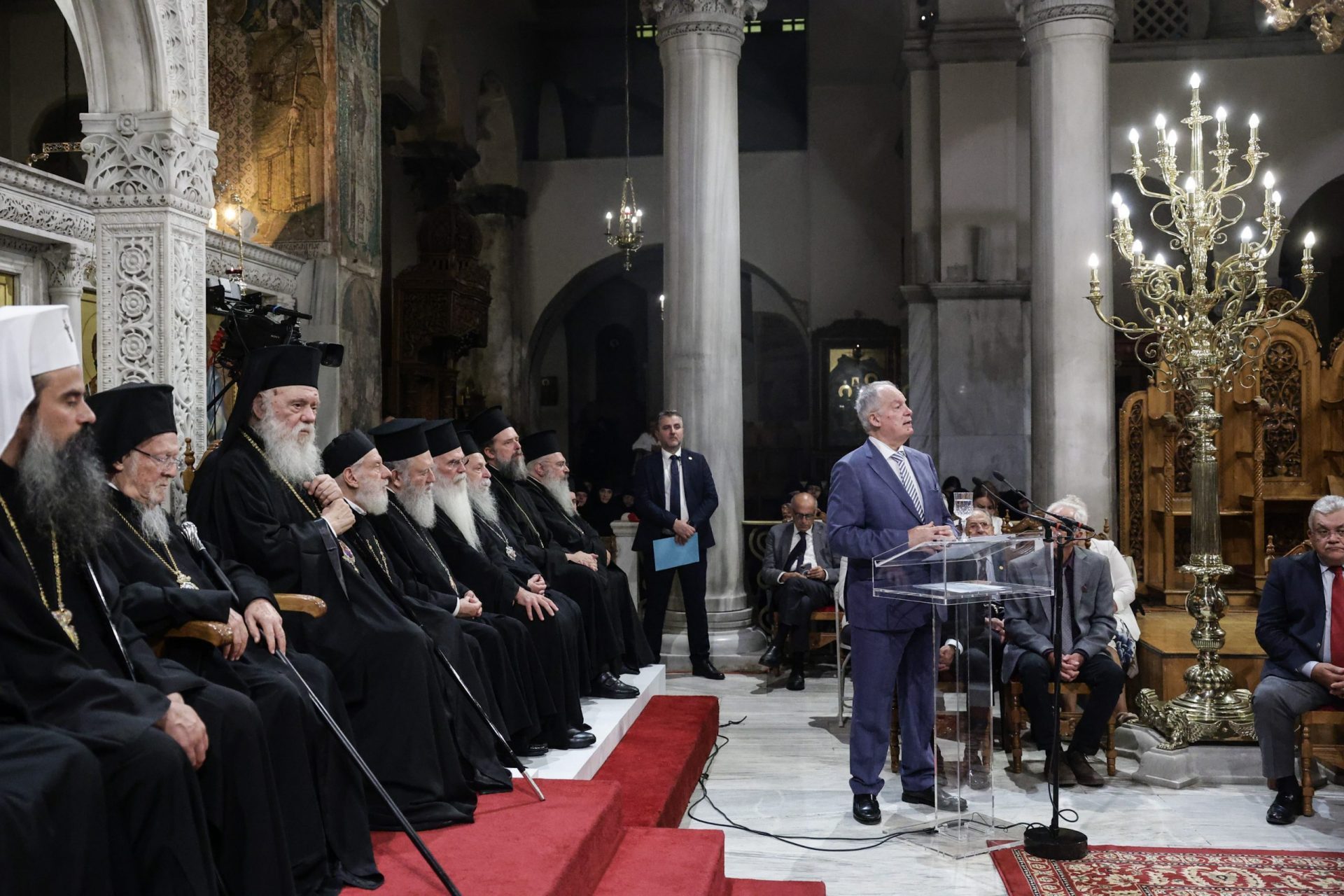
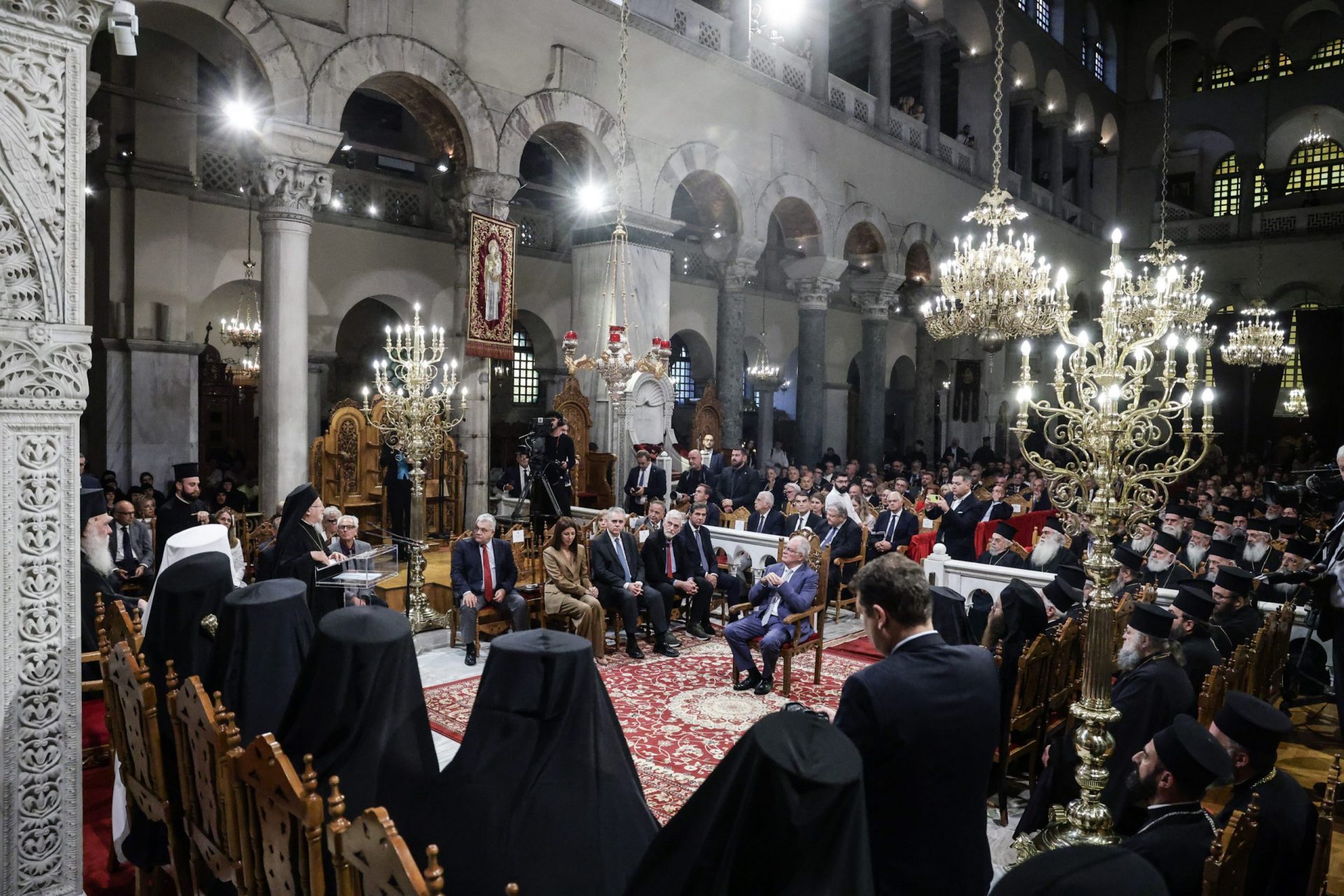
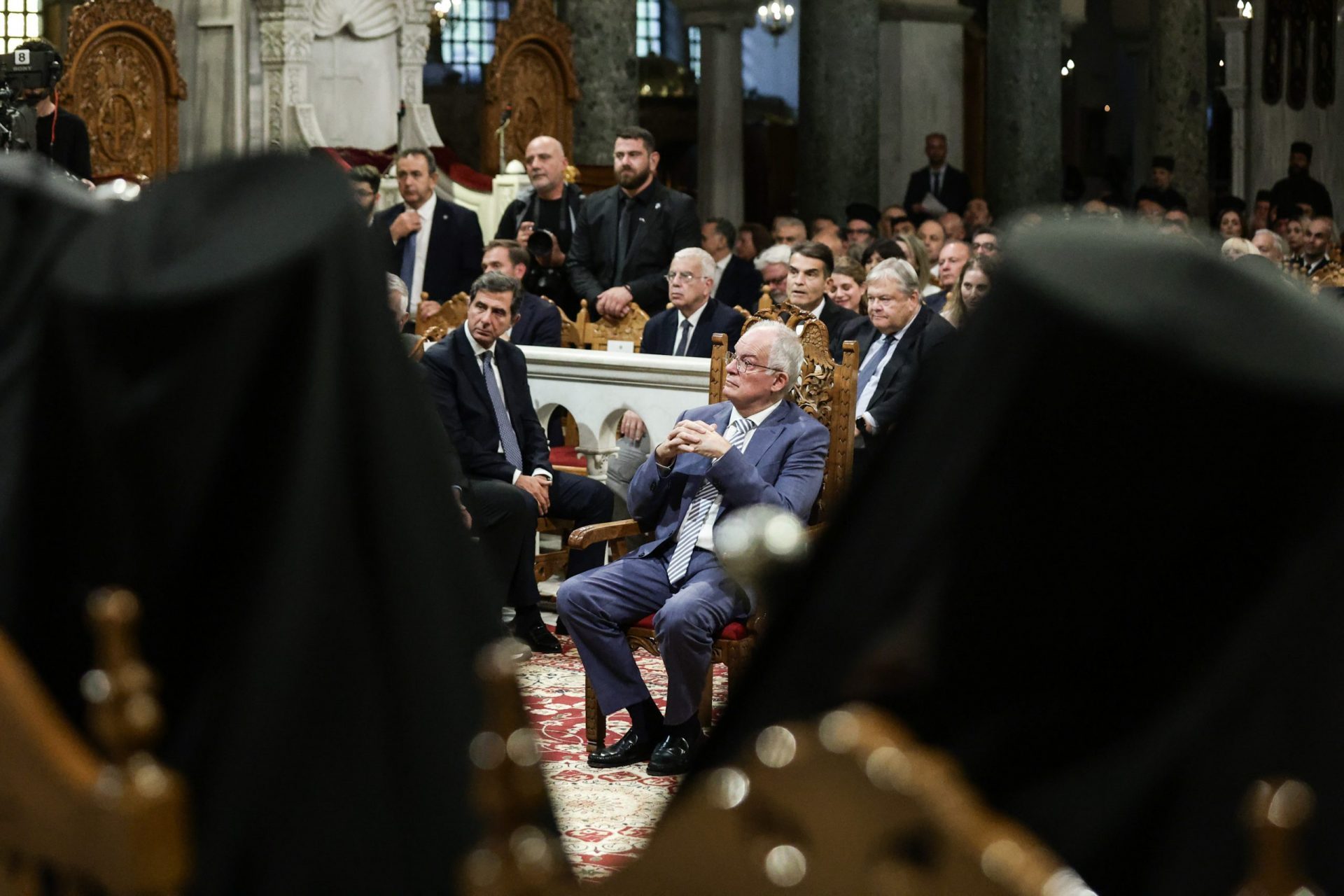
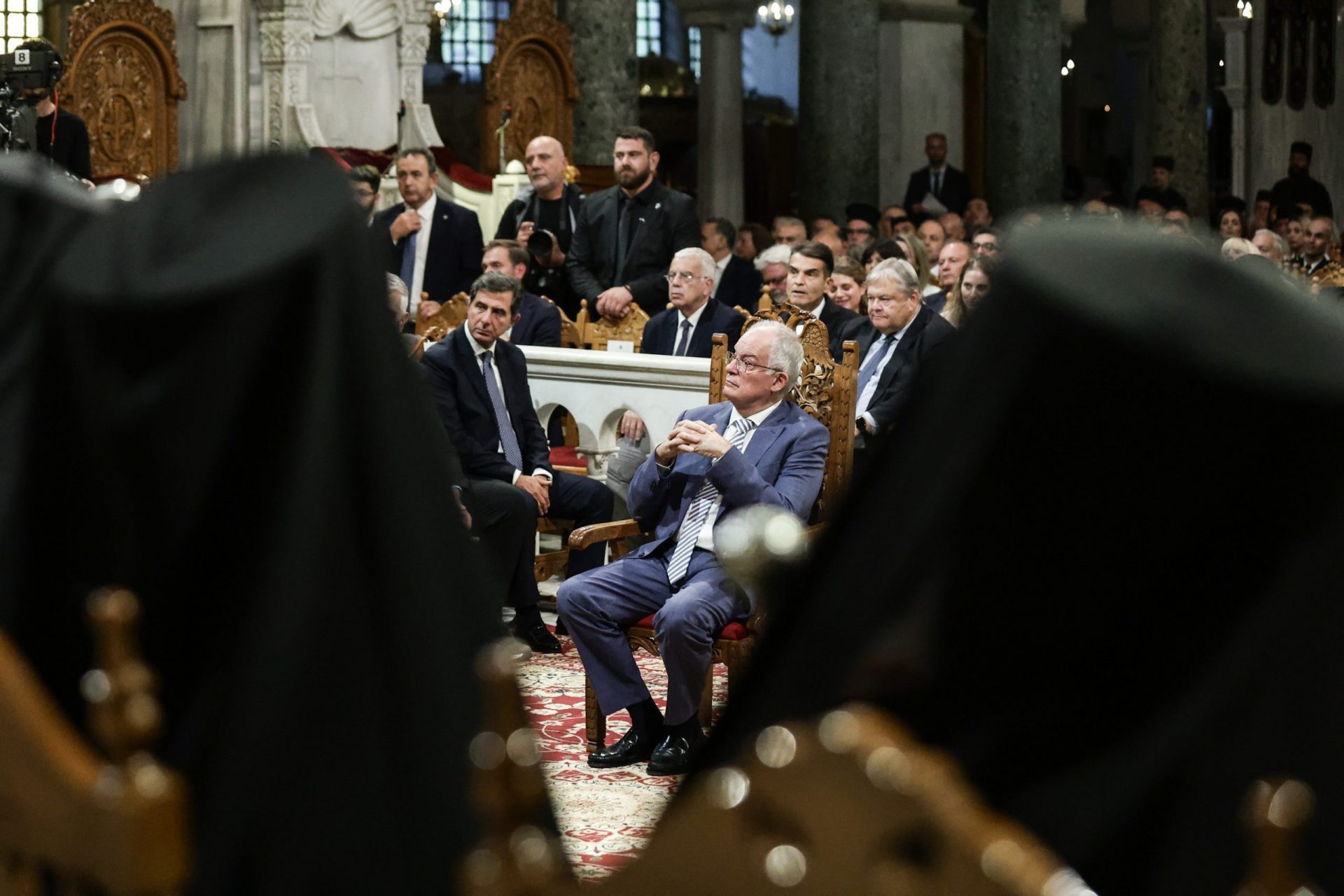
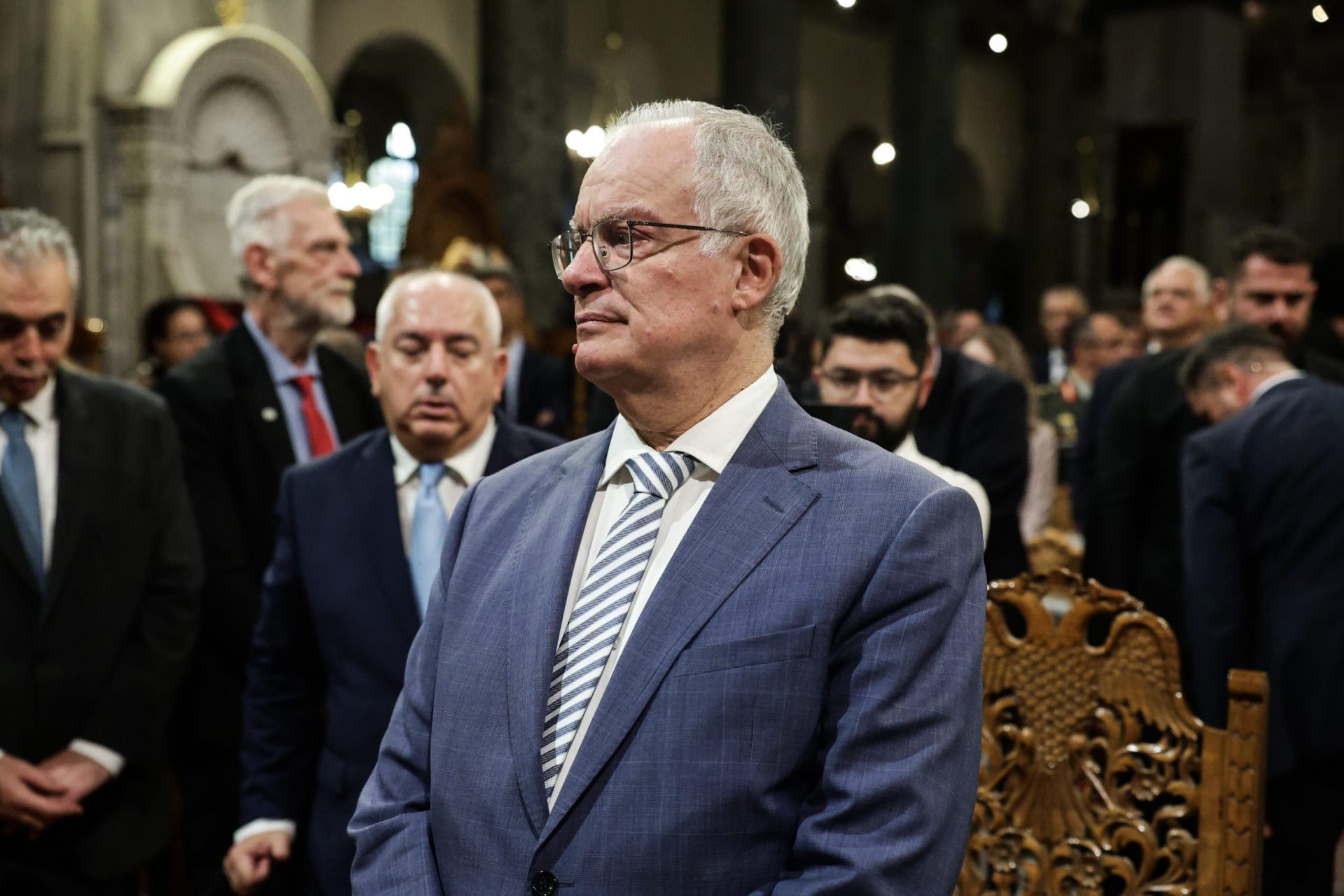
The President of the Hellenic Republic Constantine An. Tassoulas, attended the opening ceremony of the Second International Scientific Conference on “Orthodox Theology and the ‘Ontology’ of Technology: Anthropological, Political, Economic, Social, and Cultural Consequences”, which is being held on the occasion of the 100th anniversary of the publication of the journal “Theologia”, at the Holy Church of St. Demetrios. Mr. Tassoulas was welcomed by the Archbishop of Athens and All Greece, Ieronymos II, while the Ecumenical Patriarch Bartholomew declared the opening of the works of the Conference.
Follows the greeting of the President of the Hellenic Republic:
“I stand before you with a sense of responsibility and awe, as the Second International Academic Conference, which we are inaugurating today in honor of the more than one hundred years of the creative journey of the journal Theology, focuses on one of the most serious challenges of our digital age: the rapid development of artificial intelligence. Responsibility, because I will attempt to raise concerns and questions for which there are no definitive answers, but which are being formed in progress; and awe because the technological revolution we are living today does not only concern our everyday practices, but also how we perceive the human being itself, its place in the world, its relationship with others in communion and otherness.
I consider very important this initiative of the Standing Holy Synod of the Church of Greece, as it testifies to the active participation of the Orthodox Church and theology concerning the issues of our time, its ability to listen to what is happening around it, honoring the heritage it has received from its Fathers. I firmly believe that the Orthodox theology can contribute thoughtful and critical discourse to an issue that concerns both the scientists who design intelligent electronic systems, as well as their users: That is, the anthropological, social, and existential implications of the development of technology in directions until recently unimaginable. And that because it is now clear that this development is producing seismic shifts at the core of the human identity.
There is no doubt that artificial intelligence can be a valuable tool in science, particularly in medicine, law, economics, environmental science and education. The question, therefore, is not “if” we will use it, but “how” and for what purpose. Will it serve society or will it strengthen inequalities and control mechanisms? Will it become a means of socialization, facilitating the human being to exist as a person in relationship, or will it lead to isolation, addiction, virtuality? Will it be a tool of ministry, or will it become a weapon of domination?
In Orthodox anthropology, the person is the fundamental unit of existence. Man is not merely a biological or psychological being. He/she is a person, that is, a being in freedom, who transcends the necessities of nature, conquers its particularity, and moves lovingly toward other persons and toward God. Inextricably linked to the God-given gift of human freedom—freedom not in the secular sense of independence or absence of rules, but as the fundamental ability of the person to say “yes” or “no” to the call of grace – it is the good will, the inner movement towards good or evil. “It is not nature that compels us to evil, but the good will,” says John Chrysostom. It is not a matter of choice, but of a deeper stance of the heart; it is the inner will, which needs the mind in order to discern the true good. Good will and the mind are two cooperating aspects of the soul that determine whether man will proceed toward salvation or error.
Artificial intelligence however, as it operates on the basis of data, algorithms, and predetermined parameters, has no personal will, that is, it lacks good will, either for good or for evil. It lacks inner freedom, the capacity for love, the experience of pain and remorse—in short, it lacks experiential knowledge. It can only execute commands or optimize results based on the goals that have been set. It can suggest, predict and decide, but it cannot liberate. It can simulate emotions, consciousness and even creativity, but it cannot give meaning to the world; it merely processes the world. However, when man ceases to decide, judge, discern and simply follows the suggestions of a system, he loses his inner freedom; his good will atrophies. When he relinquishes his autonomy and cedes more and more initiatives to a digital subject, he accepts the weakening of his conscience as a center of judgment and responsibility, and distances himself from moral accountability.
Another consequence of the ever-increasing dependence on artificial intelligence models, which take on the role of the friend, the special advisor, the comforter or the confessor for millions of users around the world, is the distortion of the relationship with the body, with time, with the other. The dependent user becomes socially isolated and existentially alienated: He loses the sense of embodied life, patience, expectation, weakness, decay—that is, the elements that make him mortal, that ground him in the truth of his existence, that render him spiritually receptive, free to love, capable of repentance. And either he is crushed or he becomes conceited, considering that technology reveals human identity more than nature does, cultivating the illusion of omniscience and omnipotence.
In spite, however, the undeniably existing matters concerning human self-awareness in the new era, we do not demonize technology. It is a major achievement of the human mind, which gives rise to hopes for unprecedented progress in science, productivity and everyday life. Our concerns relate entirely to its application and use. Bearing in mind Sophocles’ saying in Antigone, “Possessing a certain ingenious wisdom, skill unexpected, it veers sometimes towards evil, other times towards good;”, we hope that technological progress will tend towards the noble, that is, the good. And, in this area, we look forward to a fruitful dialogue between technology and theology. For if theology is already studying in depth artificial intelligence and its applications at the ontological level, being concerned that we are no longer dealing with “applications” but with digital subjects with potential autonomy, experts are called upon to work more systematically to integrate ethical principles and social values in the development and use of artificial intelligence, ensuring a transparent and adequately defined ethical framework in the decision-making process, and aligning technological innovation with human values.
However, I do not overlook the fact that the ontology of technology is a deeper concern that goes beyond its good or bad usage.
And since technological developments apart from being rapid are also inescapable, the Conference is called upon to seek, if there exist, points of contact between technical spirit and ethical reflection or whether ultimately the former undermines the latter, and where that leads!
The answers to these questions constitute a major challenge, because the technical spirit is not at the gates but within the walls, and given that such a conference for the philosophy of technology with such high-level speakers is being organized for the first time, our expectations of the conference are fundamental.
People were given the commandment to “subdue the earth,” but are they now in danger of being subdued by the autonomy of technology?
The Second International Anniversary Conference in Thessaloniki explores profoundly and theologically the unprecedented world that has already invaded our lives.
I am certain that the Conference explores it and convincingly answers the most pressing question of our time regarding the consequences of the ontology of technology and our abilities to manage them.”