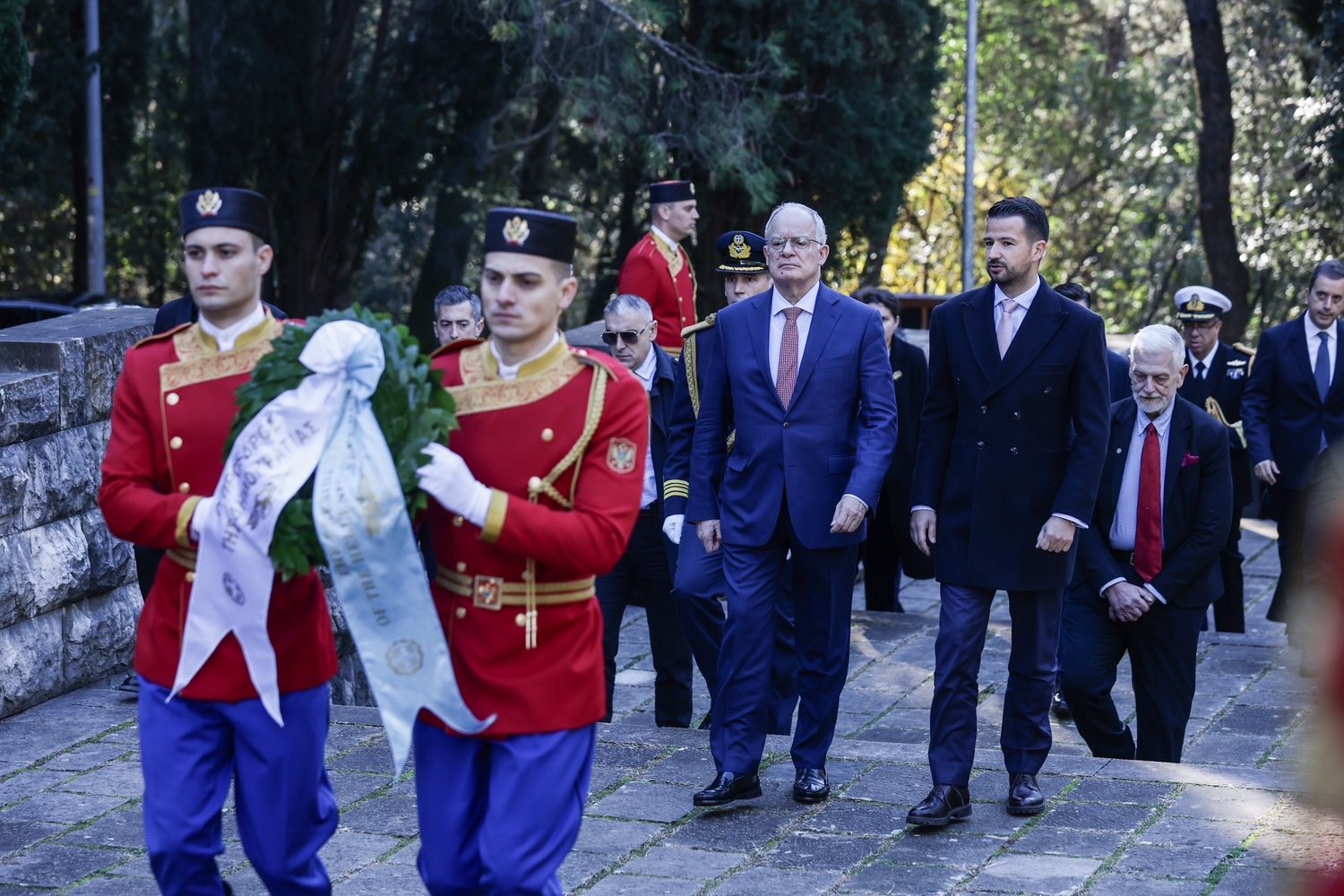
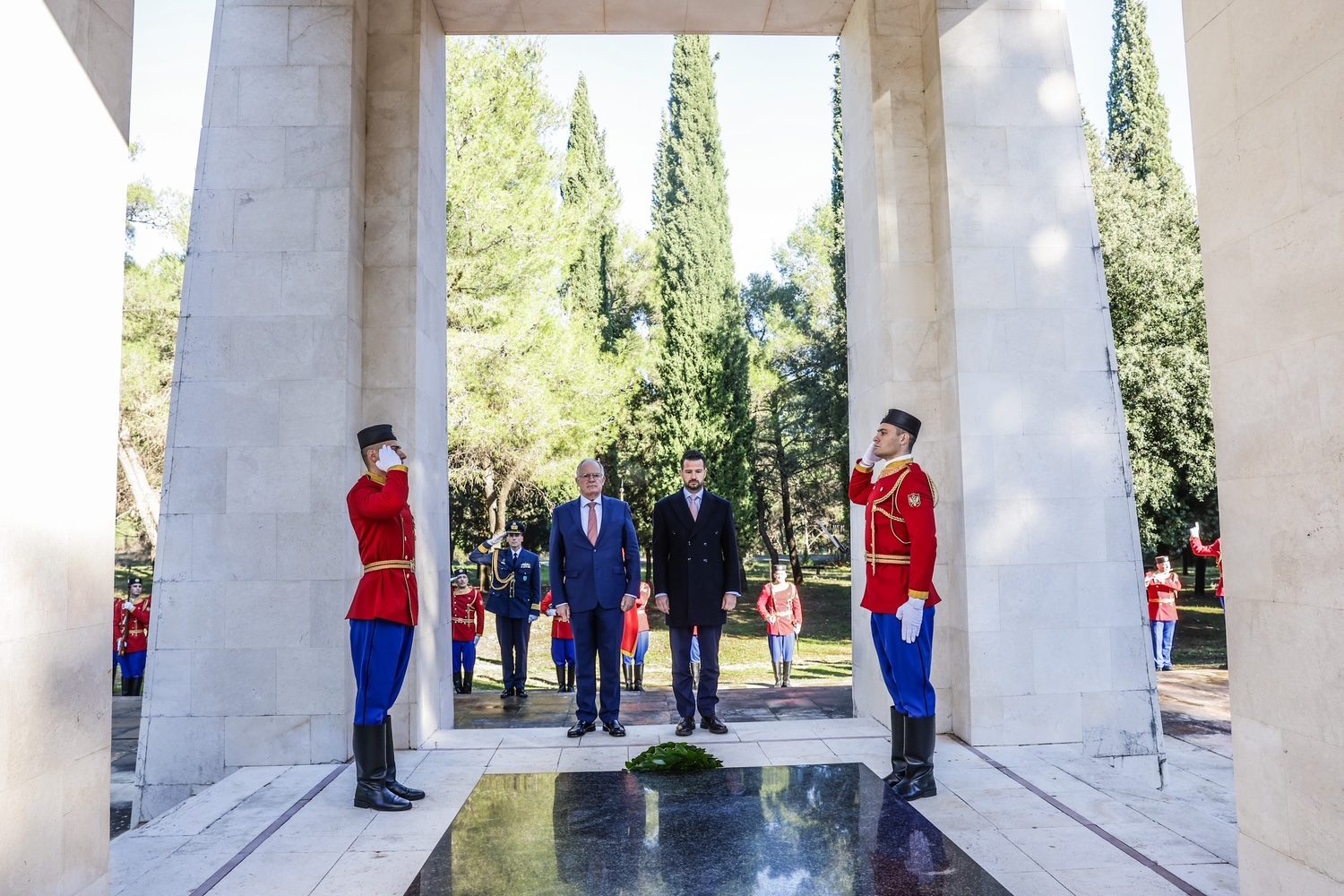
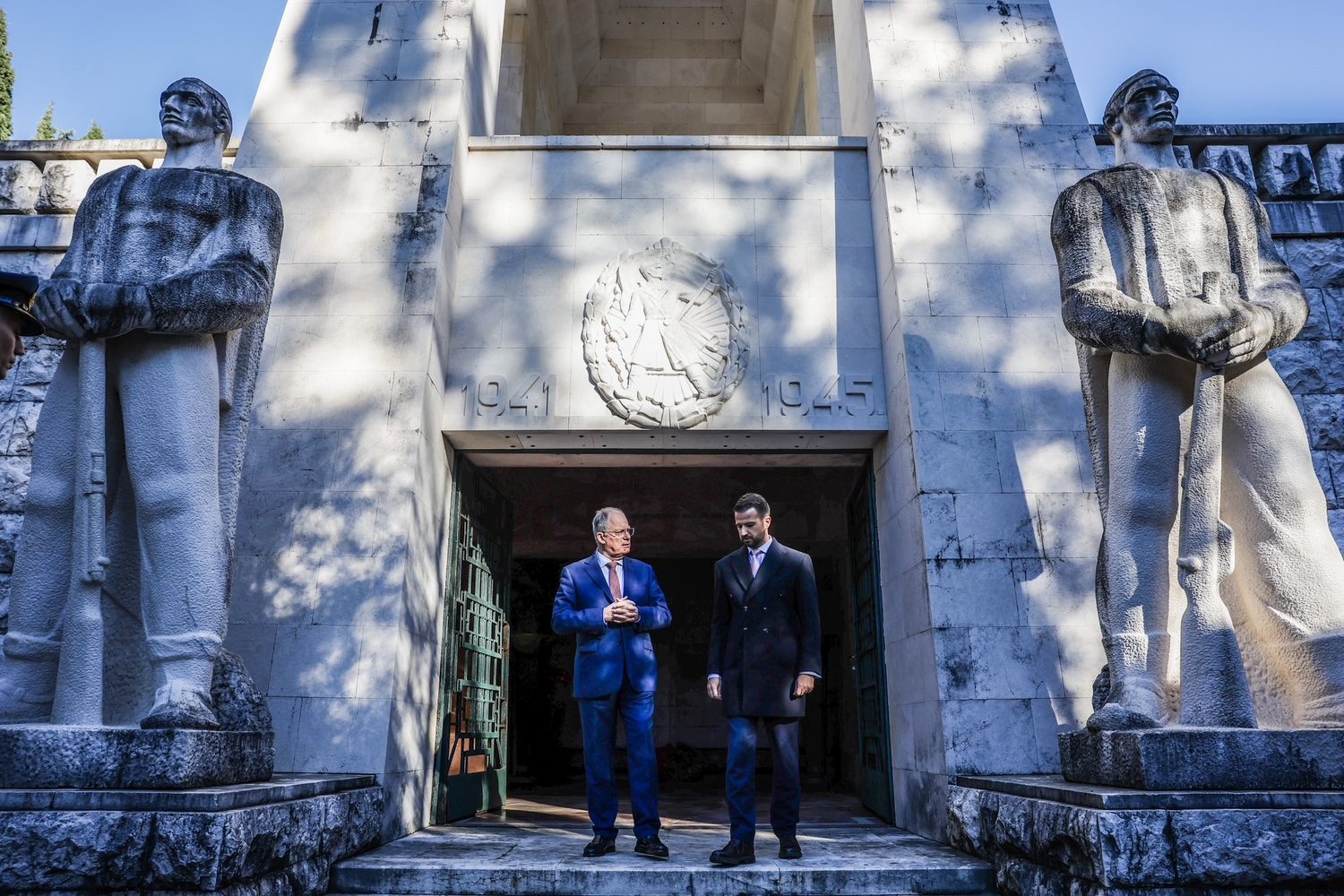
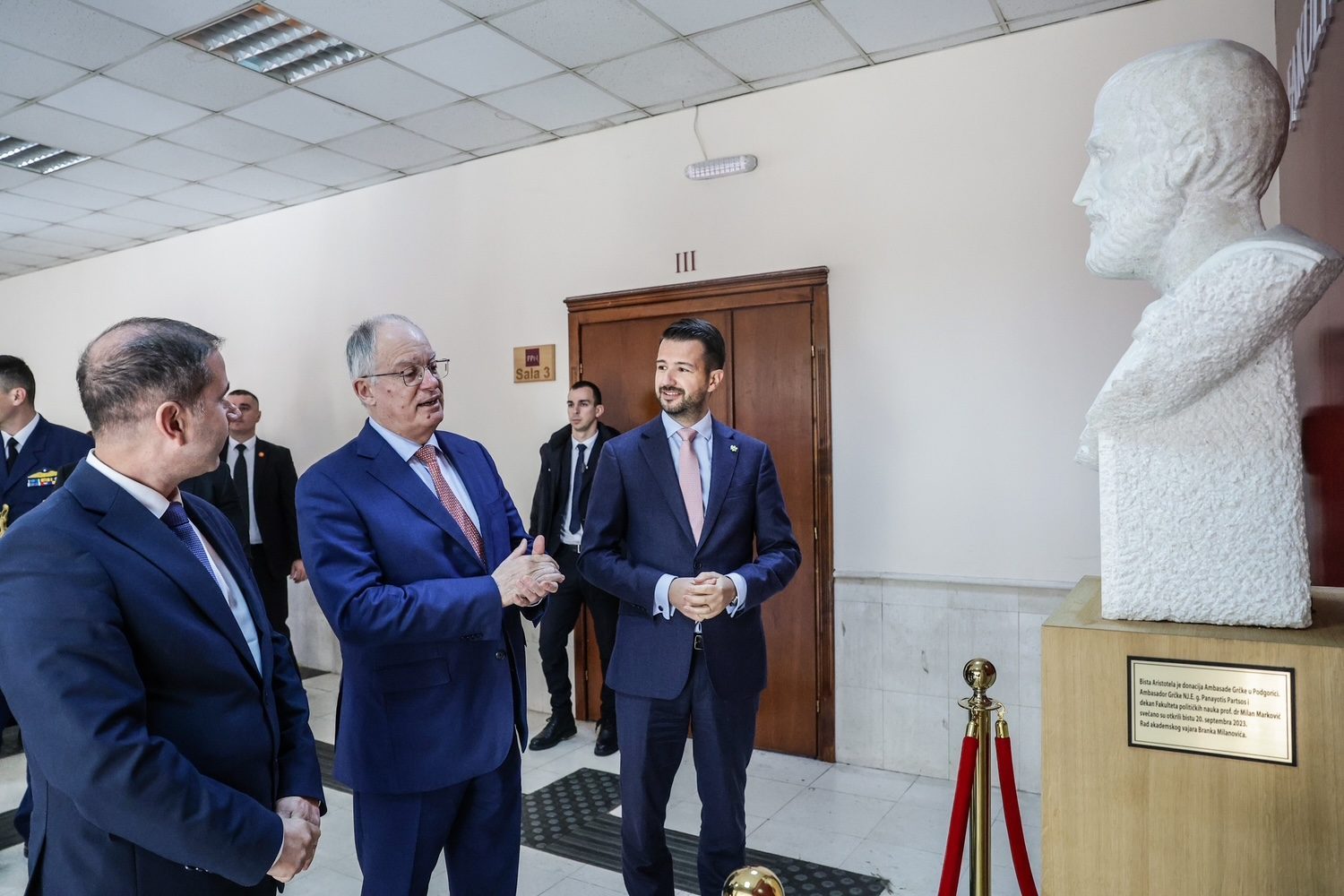
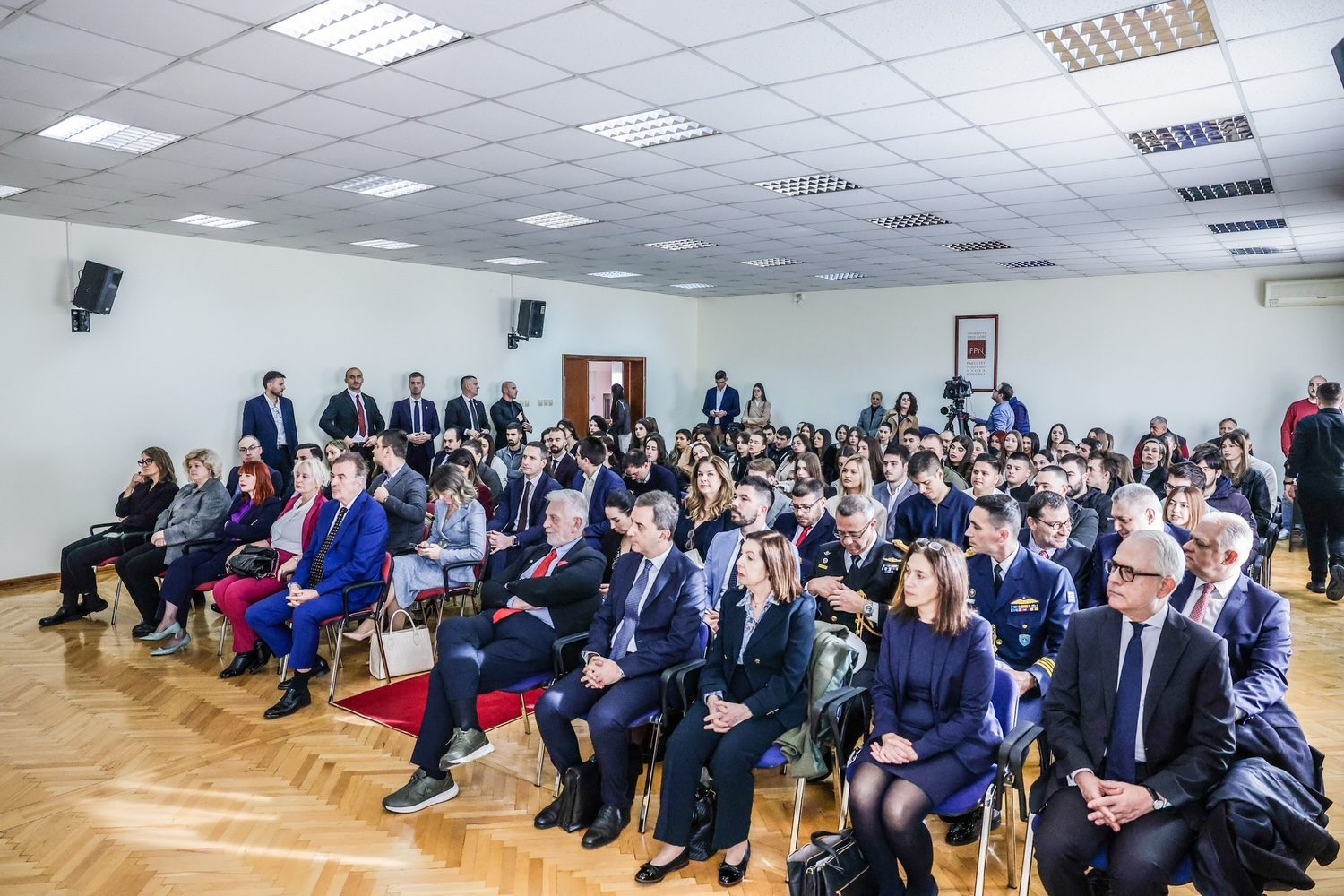
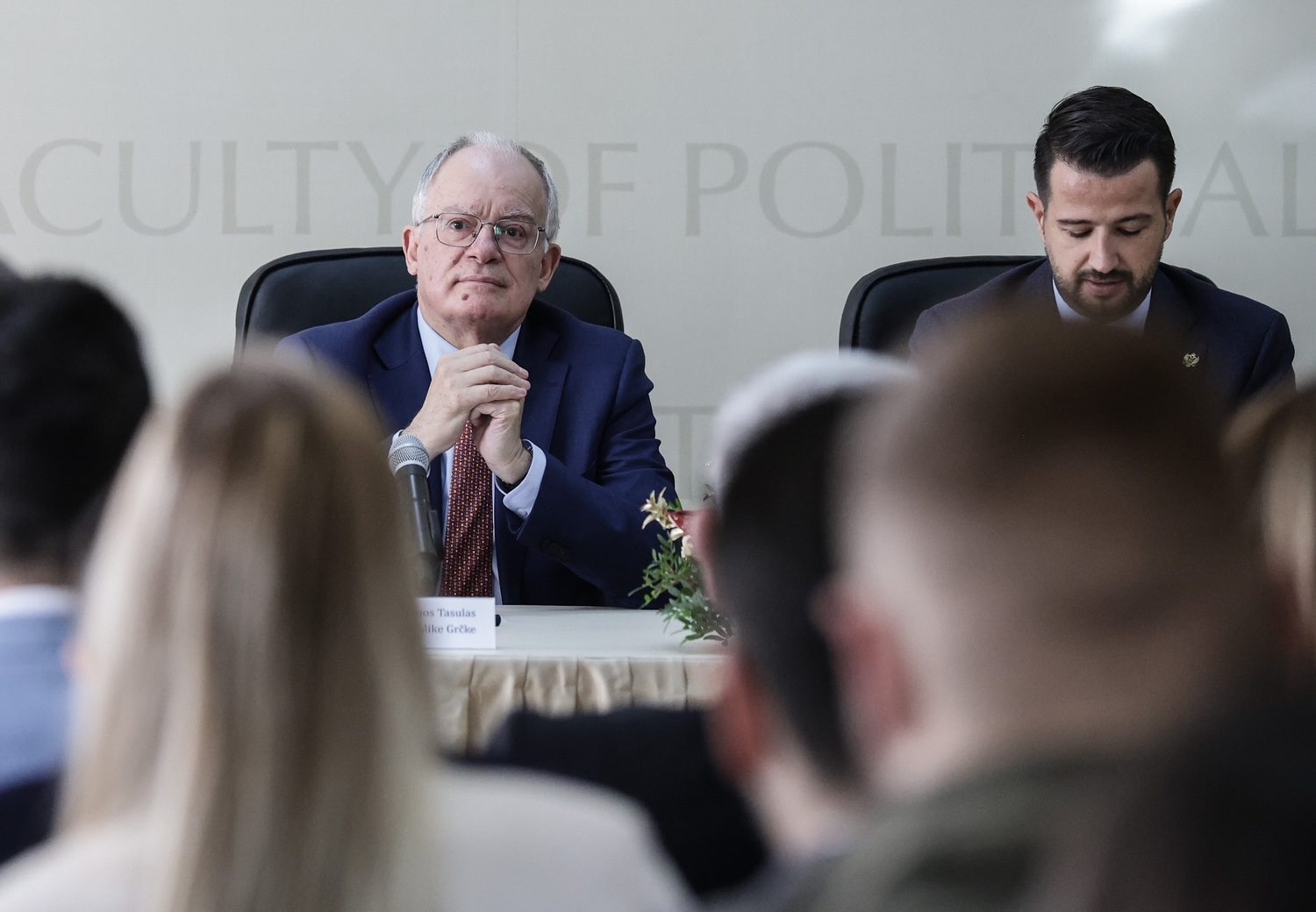
The President of the Hellenic Republic Constantine An. Tassoulas, on the second day of his official visit to Montenegro, after laying a wreath at the monument to the “Partisan Fighter” on Gorica Hill, in the presence of the President of Montenegro Jakov Milatović, went to the Faculty of Political Science of the University of Montenegro (UCG). There he delivered a speech on the theme “From Thessaloniki to today – A promise becoming the new European reality.”
Follows the speech of Mr. Tassoulas:
“It is a great pleasure to be here with you today, at the Faculty of Political Science of the University of Podgorica.
Before touching upon the theme of our speech -the European journey of Montenegro-, I would like to express our gratitude to the Faculty of Political Science of the University of Podgorica for its generous offer of granting a room in the premises of this University for hosting free classes of Greek modern language, organized by the Greek Ministry of Education in coordination with the Greek Embassy in Podgorica.
As you know, UNESCO recently recognized officially the 9th of February as the International Greek Language Day as a tribute to the role of the Greek language in the development and establishment of European and world literacy and culture. The Greek language has been spoken for 40 centuries without interruption. It is very touching to know that in Podgorica, despite the absence of a big Greek community, many Montenegrin citizens have expressed their interest to learn the Greek language and culture.
Turning to the theme of today’s event -the European path of Montenegro- as its title suggests, the point of departure was Thessaloniki, in June 2003, when the European Union affirmed unequivocally that the future of the Western Balkans lies within the European family.
For Greece, the Thessaloniki Agenda was not simply a diplomatic milestone. It was a sincere commitment—rooted in geography, in history, and in shared values. It was also rooted on the belief that our region, the Balkans, should not be defined by division, conflicts, instability, or uncertainty. Instead, it should be defined by cooperation, prosperity, and democracy.
Back in 2003, Montenegro was still part of the state union of Serbia and Montenegro. Yet even then, its leaders and its citizens expressed a clear desire to pursue a European course. Following the peaceful referendum of 2006, Montenegro emerged as an independent state—stable, constructive, and oriented toward Europe from day one.
From those early years, Greece recognized Montenegro as a reliable partner and a friend. We supported its integration into NATO and encouraged its reforms as it prepared to open accession negotiations with the European Union.
Since the Thessaloniki Summit in 2003, more than 22 years have passed. During these years the progress in the European path of all Western Balkans partners has not been steady and continuous. For many years, although European leaders repeatedly affirmed their commitment to further enlargement, beyond the granting of candidate status and formal opening of accession negotiations, not much progress was achieved. Different crises, such as the Eurozone crisis, the refugee crisis, Brexit, etc. diverted the attention of the EU from the process of enlargement, bringing the accession negotiations to almost a standstill. This created frustration and disillusionment for the citizens of the WB countries who aspired to join the EU.
Since the invasion of Ukraine by Russia in February 2022, enlargement has re-emerged as an EU priority, both in relation to Ukraine, which, alongside Moldova, had its candidacy accepted in June 2022, as well as in relation to the longstanding candidates of the Western Balkans.
The EU recognized the geostrategic importance of enlargement as a major contribution to peace, security, stability and prosperity in the European continent. This gave a new impetus to the accession negotiation of candidate countries.
The EU Member States committed to support aspiring members in meeting the accession criteria through appropriate instruments and to use all possibilities to further advance their so-called gradual integration. They also committed to further encourage reform efforts, notably with regard to the Rule of Law, as well as regional integration, good neighbourly relations, reconciliation and the resolution of bilateral disputes.
In this context, the European Commission adopted a new methodology for the accession negotiations putting at their core the basic EU principles and values: Rule of Law, democracy and fundamental human rights.
In this renewed momentum of enlargement, Montenegro has been for several years the most advanced EU candidate country in the Western Balkans. This was not by chance.
Being a front-runner requires both willingness and capacity to proceed to the necessary reforms. And it also requires implementation in practice of the reforms adopted and not only formal adoption of new legislation. Too often judicial, economic or administrative reforms required by the EU are adopted, but their implementation is not automatic. It requires political will and a change of mentality of the citizens.
Having opened already 33 (out of 35) negotiating chapters Montenegro continues its efforts to align its institutions, economy, and legal framework with the European acquis.
In this context, I would like also to commend Montenegro for its longstanding record of full alignment with the Common Foreign and Security Policy of the EU, including in supporting a just and lasting peace in Ukraine. This alignment is a testimony that your country fully shares the main principles and goals of EU’s Foreign Policy, sharing the same position with European countries as regards the main challenges and threats that the EU is facing today.
The progress made by your country would not have been possible without a broad political consensus. It is important that it is maintained until the end of the process.
Challenges of course remain: strengthening the judicial system, fighting corruption, protecting media freedom. These are demanding tasks, but they are also transformative ones: they contribute to building resilient states and vibrant democracies.
At this point I would like to stress that Member States are also examined with regard to their performance in terms of rule of law. Since several years, the so-called EU Rule of Law Dialogue was introduced for Member States consisting in an annual process where Member States discuss the state of the rule of law across the EU, using Rule of Law Report drawn by the Commission as a central tool to identify challenges, share best practices, and implement preventive measures to uphold judicial independence, media pluralism, anti-corruption, and institutional checks and balances. So, performance with regard to rule of law continues to be checked also after accession.
What is very important in the case of Montenegro is that the country has demonstrated continuity, political will, and a readiness to engage constructively with European partners. Montenegro follows a steady path of reforms which is facilitated by the internal political consensus as well as the support to the European path by the population.
In this regard, I would like to commend President Milatovic for his initiative to launch in Montenegro the EU Academy, a platform for education, dialogue and connecting young people with European institutions.
The EU is a project under continuous construction. And the younger generations have a very important role to play. I understand that the EU Academy can act as a bridge between young people and European institutions, through which they will learn and participate in the process of European integration.
In Greece we inaugurated a few weeks ago together with the President of the European Parliament Mrs. Roberta Metsola, a similar project called “Europa Experience-Athens”. Through interactive technology and engaging activities, the Europa Experience aims to bring Europe closer to its citizens. This platform aims to make knowledge about the European Union more accessible, enjoyable and meaningful for young people, but also adults who want to better understand how the decisions taken in the EU affect their daily lives.
Greece has always been a firm supporter of the European integration of the Western Balkans. It is our firm belief that EU integration can have a beneficial transformative effect on candidate countries and it thus represents an investment to stability and peace in the region and in Europe. The EU is first and foremost a community of values and principles and extending it to our continent is the best foundation for a peaceful future.
Our commitment since Thessaloniki remains unwavering.
We have long defended the principle of fair and rigorous conditionality and “own merits”, and we believe that if the commitment and path of reforms are sustained, Montenegro merits to move forward and be the first Western Balkan state to join the EU.
Greece will therefore continue supporting Montenegro’s reforms and providing its expertise and assistance in line with the bilateral MoU signed by our two countries.
Montenegro’s progress is not beneficial only for the country itself: it also sends a powerful signal that candidates who undertake reforms with sincerity and determination can and will advance. It sends the signal that the promise given in 2003 is becoming a reality.
Montenegro belongs in Europe and Greece stands at its side.
Thessaloniki marked the beginning of the European path. Hopefully, Athens, during the Greek Presidency of the EU in 2027, can mark another landmark in Montenegro’s accession process and facilitate the final steps before welcoming Montenegro officially in the European family.
This will make a reality the stated goal of EU28 in 2028!
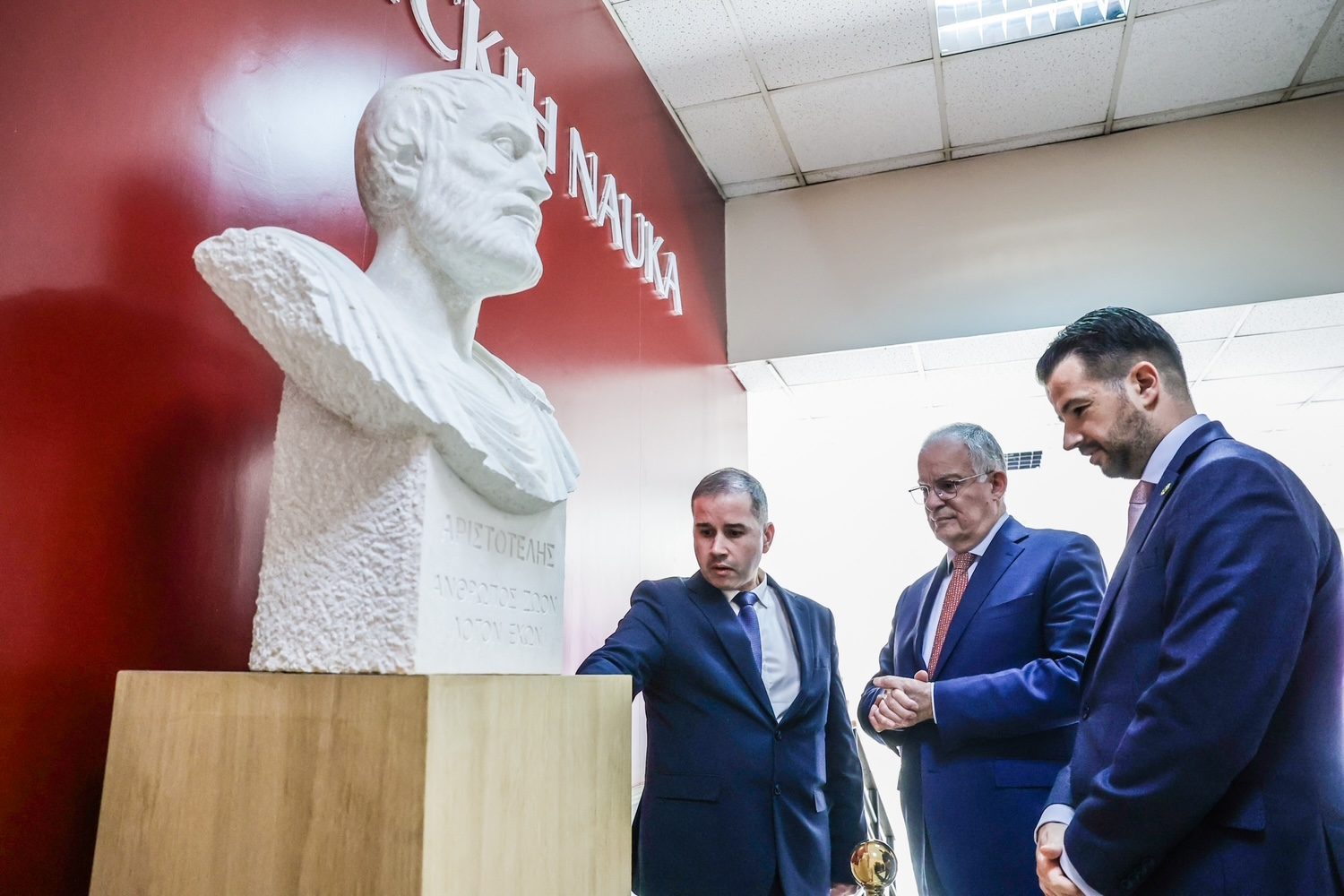
Before coming into this room, I saw outside a bust of Aristotle. Aristotle, amongst other things, was a teacher of Alexander the Great. And what Aristotle taught to Alexander the Great, made Alexander, before his twenties, feel that his country, that his realm, the Greek Macedonia, was too small for him. And because Macedonia was too small for him, he conquered Asia, Persia, he reached India, Egypt.
He was a great conqueror and a great personality who gave to these countries in the East, the Greek civilization. So, Macedonia was too small for Alexander the Great.
Montenegro is too small for you.
That’s why the EU is expecting you to become a new member as soon as possible. Join the 27 member states and play your role in this vast area, which is not small for you, but which is waiting for you. This will make a reality the stated goal of EU28 in 2028.
And why not even earlier?
Thank you very much.”
Questions from students of the Faculty of Political Science followed, addressed to the two Presidents, regarding Montenegro’s accession process, the broader situation in the Balkans and the support that Greece provides to Montenegro on its path towards accession to the EU.
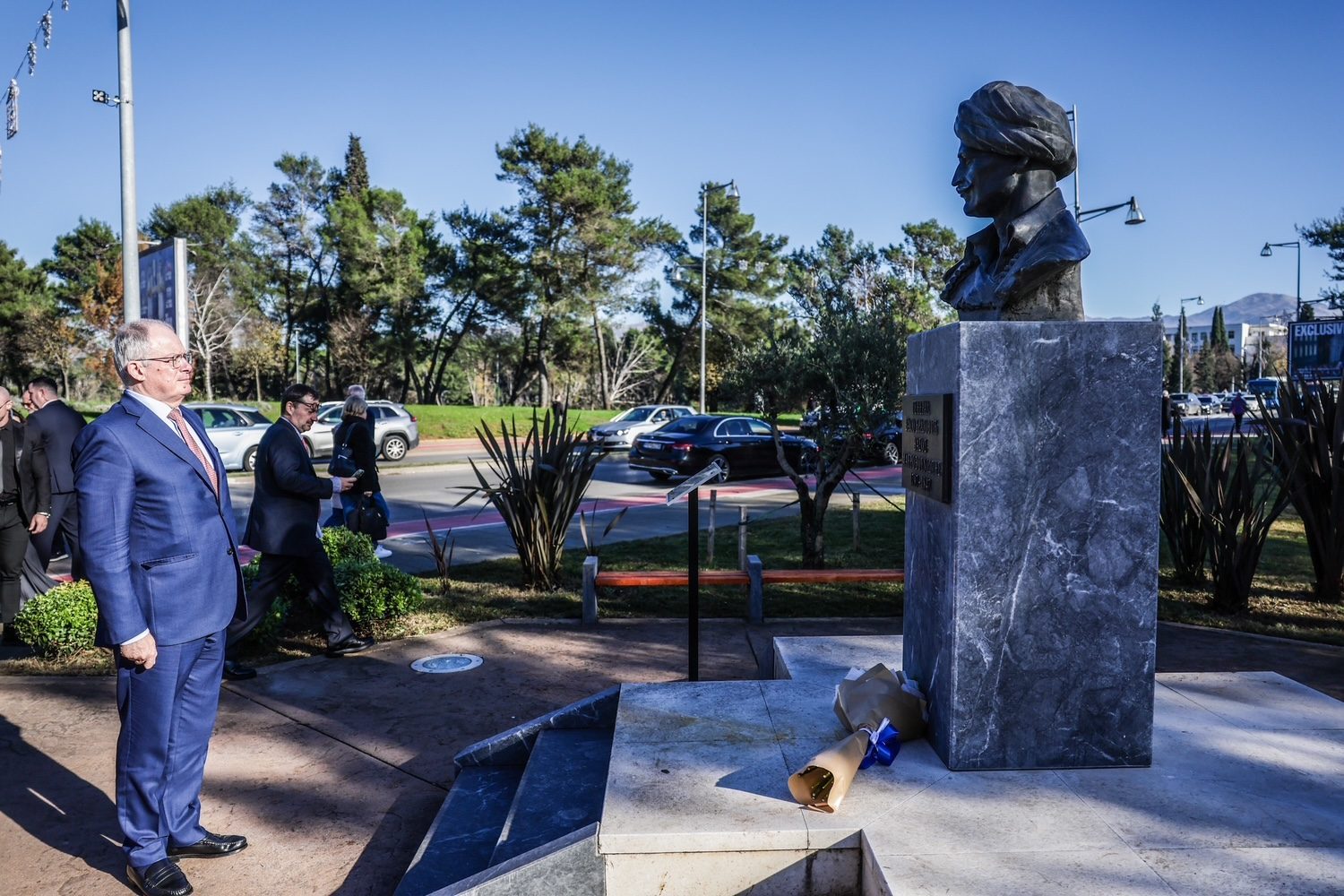
Afterwards, Mr. Tassoulas visited the monument of Vassos Mavrovouniotis, a hero of the Greek Revolution against the Ottoman Empire, where he laid a floral tribute.
This was followed by a visit to the Greek Embassy, where Mr. Tassoulas thanked the Ambassador Dimitrio Gioldasi, and the Deputy Head of Mission Giorgo Mario Papaioannou, as well as all the Embassy staff for the excellent preparation of the trip and their hospitality.
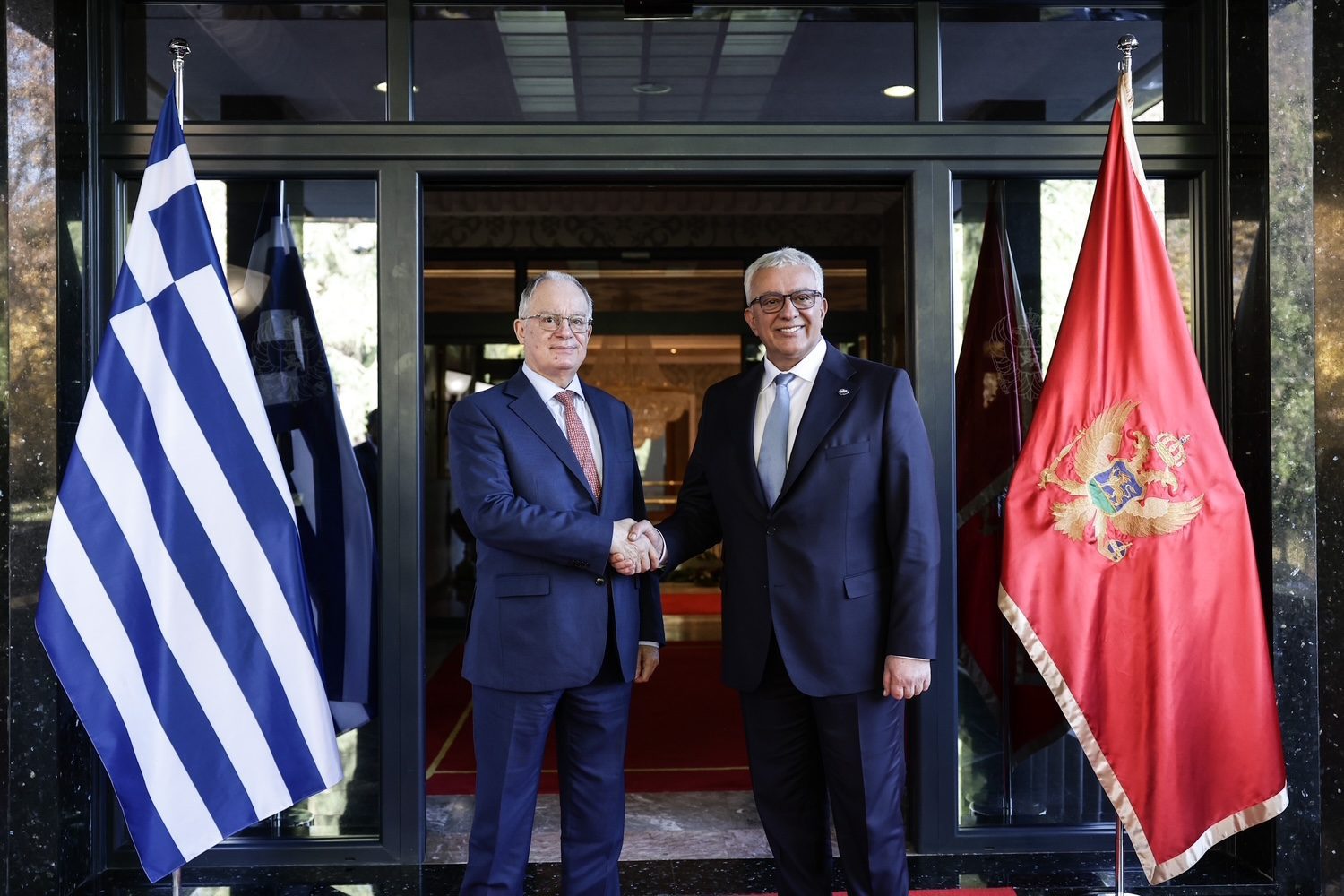
Later, he met with the President of the Parliament of Montenegro, Andrija Mandic, and attended a working lunch with members of the Greece-Montenegro Parliamentary Friendship Group.