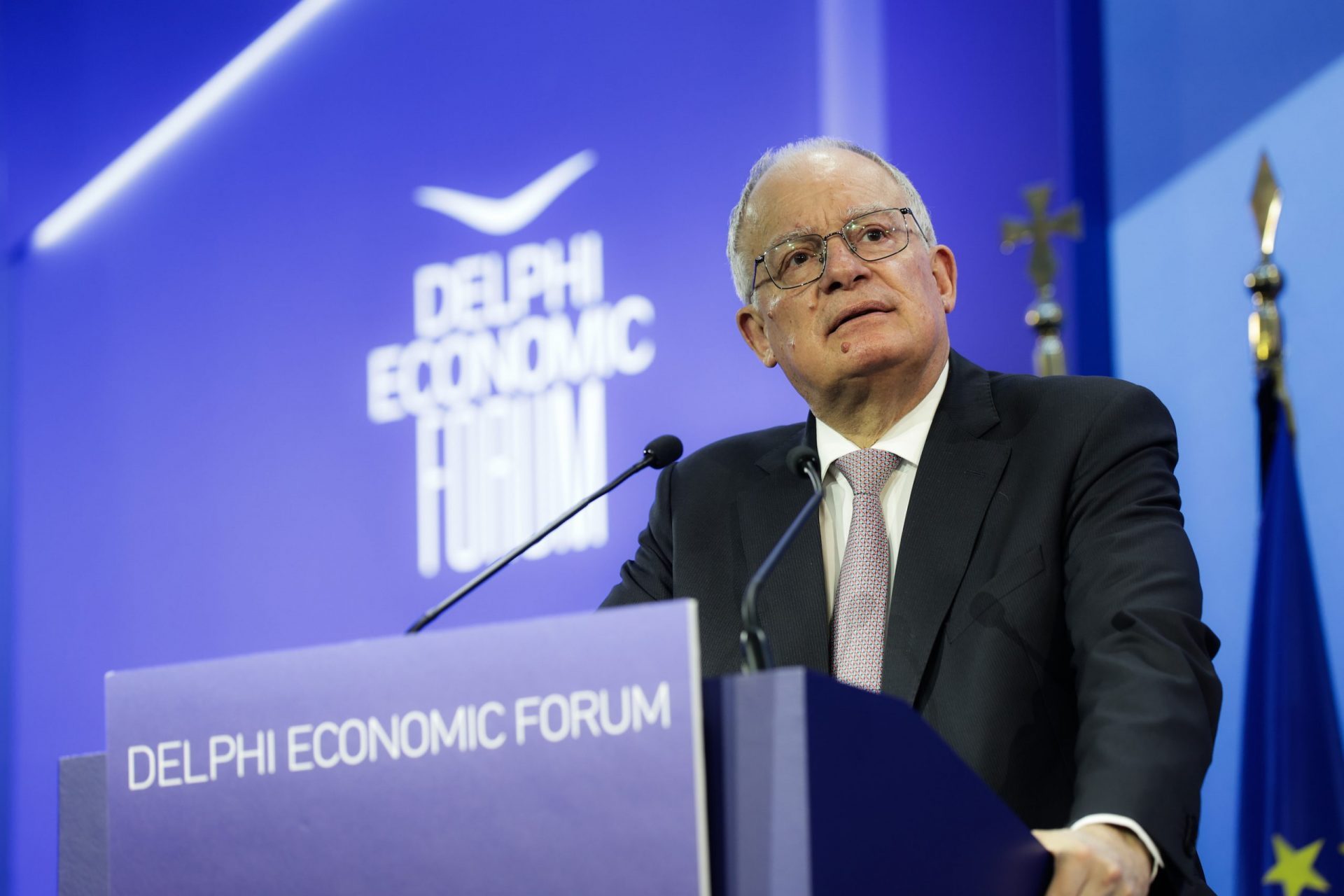
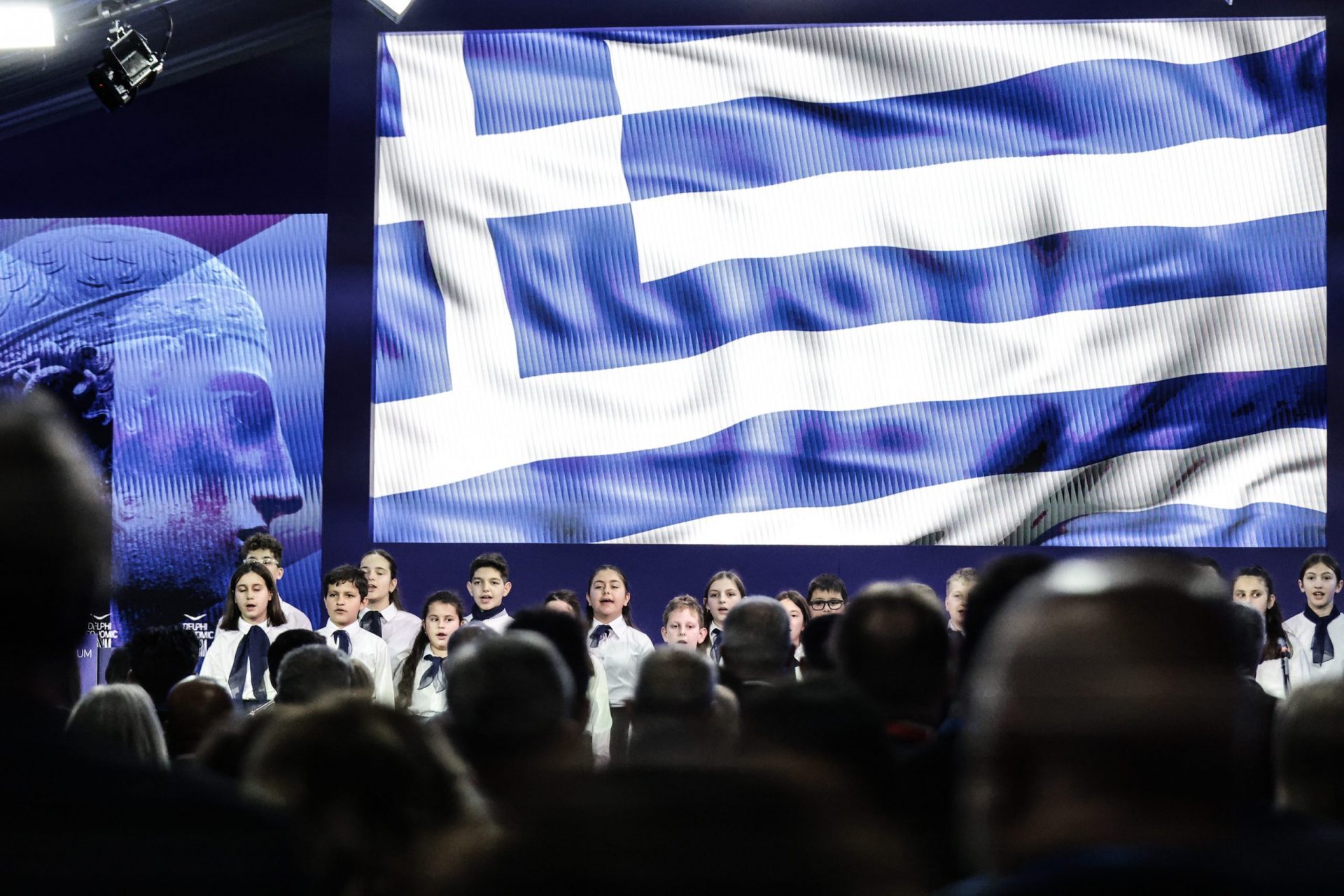
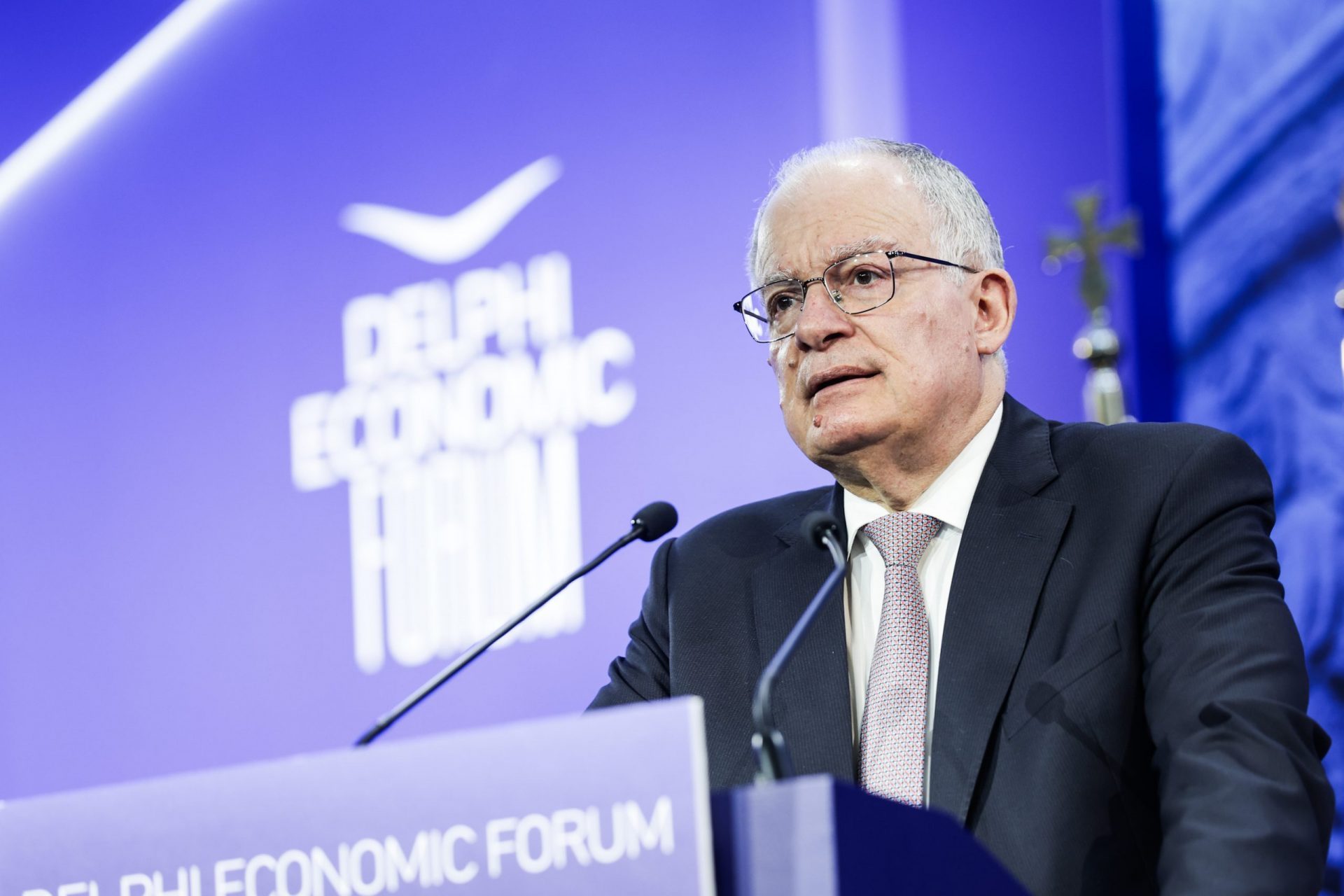
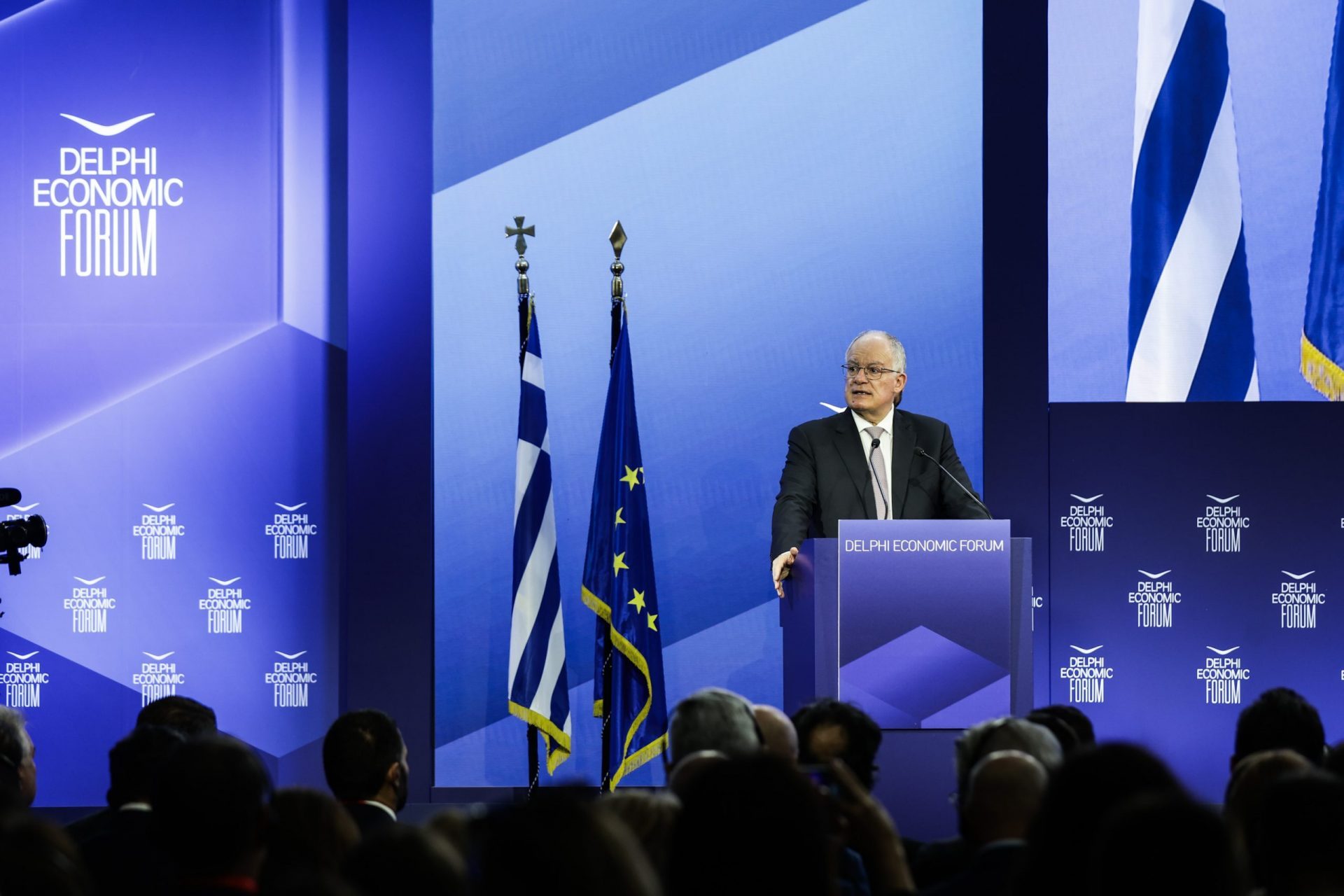
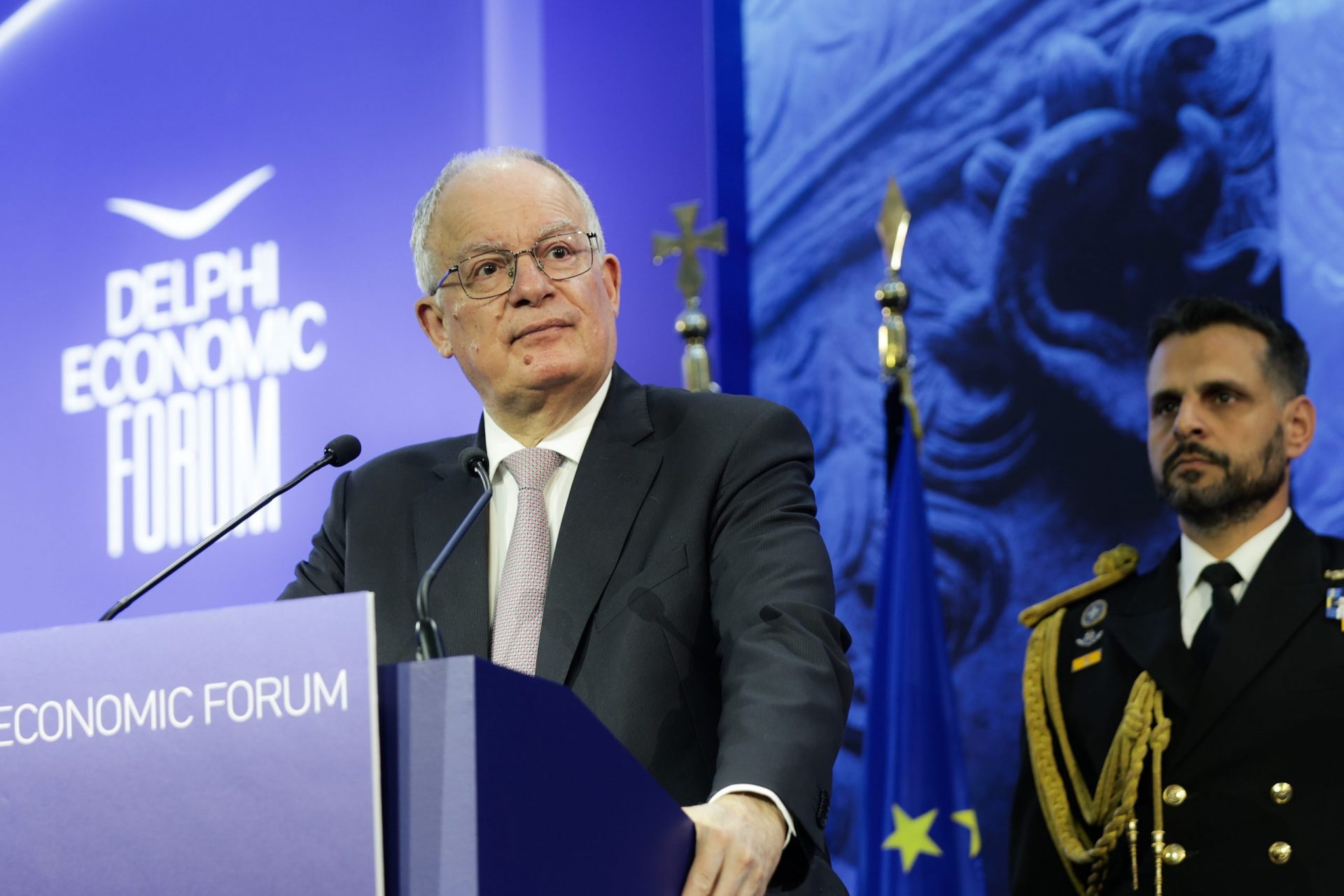
“It is with great pleasure that I welcome you toDelphi, a place of profound symbolism that, since ancient times, has been associated with the search for truth, the need for self-knowledge and the synthesis of different perspectives, with the ultimate goal of gaining a deeper understanding of the world.
In this historic place, where for eleven consecutive years the internationally renowned Delphi Economic Forum has been organized with absolute success, we are called upon today to pick the thread from where we left off last year and discuss the challenge of adapting to the new, evolving international conditions. Or, as the organizers have eloquently titled this year’s Summit, “The Shock of the New.”
Our world is undergoing a period of rapid and profound transformation. Developments and crises in geopolitics, the economy, energy, technology and climate no longer unfold in a linear fashion, but interact dynamically, accelerating and often overturning well-established perceptions and certainties.
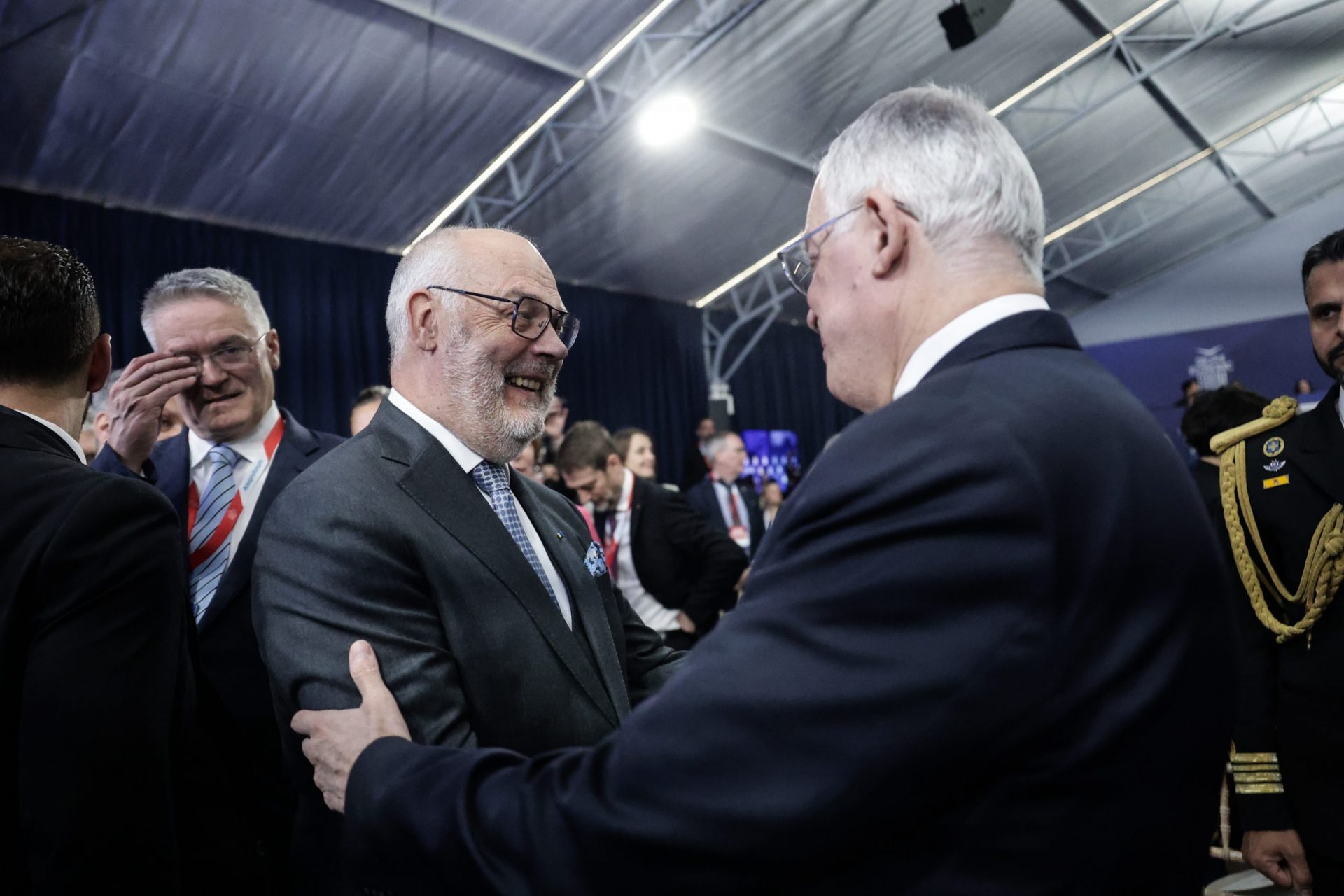
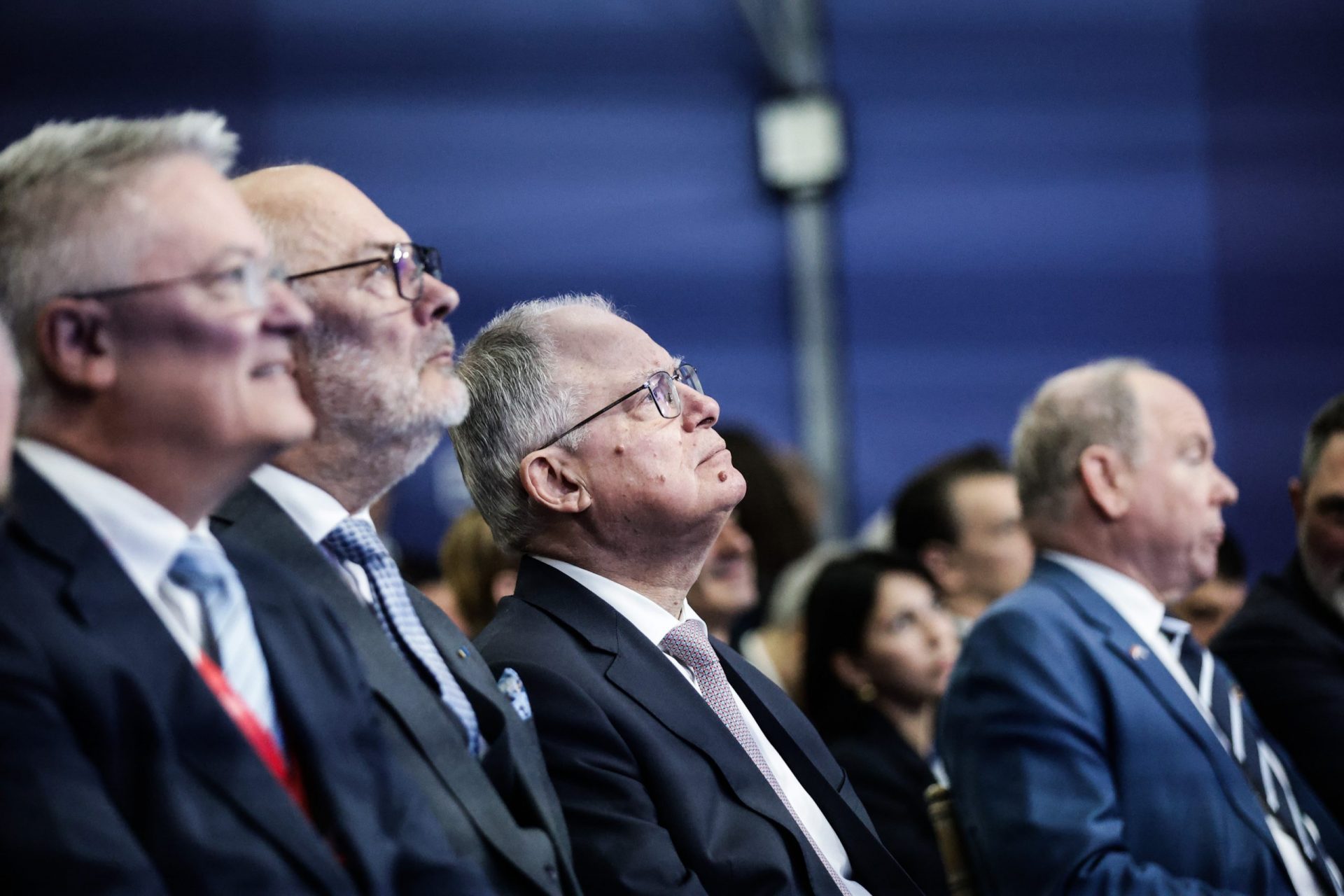
Mr. President of the friendly country of Estonia,
In this continually changing environment, critical questions arise: Are we perhaps witnessing the end of the world order and the international security architecture as it was established after the Second World War and shaped after the Cold War? And if yes, what form will the next day take? What do these changes signify for Europe and the Westin general? What is Greece’s place in this new landscape? In the geopolitical sphere, we are witnessing arealignment of the balance of power, the emergence of revisionist tendencies and the reappearance of competing theories and policies of military power thatwe believed belonged to the past.
The unipolar international system of the post-Cold War era is in the process of transition toward a multipolar system of balance of power, in which the West seeks not only a modus vivendi with revisionist powers, but also a new allocation of rights and obligations among its members.
Your Serene Highness, Prince of Monaco,
In this context, the risk of the West becoming fragmented must be avoided at all costs. Unity, determination and commitment to our values of liberalism and human rights are sine qua non prerequisites for defending our political, economic and social achievements from the end of the Second World War to the present day.
Let us therefore be clear: Europe needs America just as much as America needs Europe. Any decoupling of these two poles of the Western world, under the weight of transactional approaches and nationalist and populist currents, will have extremely serious consequences for the security and prosperity of all of us, both in Europe and in America.
For Europe, the challenge is two fold: on the one hand, to ensure its strategic autonomy by strengthening its economic competitiveness, as well as its defense capabilities and power, energy interconnectivity and aninnovative technology sector; and, on the other hand, to remain consistent with its allied obligations and faithful to the fundamental values that constitute its identity, such as democracy, human rights and the rule of law.
At the same time, armed conflicts, such as those in Ukraine and the Middle East, serve as a dramatic reminder that peace and stability cannot be taken for granted.
Blatant violations of fundamental principles of the international legal order, even by permanent members of the United Nations Security Council, may not formally alter the rules of international law, for example by making the use or threat of force or the violent alteration of borders lawful, they nevertheless dangerously weaken the foundations upon which the international order is based, which was built after the most devastating war in human history.
This trend must be reversed immediately and to that end it is essential, among other things, the reform – not the abolition – ofthe United Nations in order not only to reflect the international balances ofthe 21st century and not those of 1945, but also to be able to fulfill its high mission of maintaining international peace and security.
At the same time, we must work to strengthen multilateral international institutions and international cooperation, as well as the renewal of our commitment to the fundamental principles of the United Nations Charter, including those of respect for territorial integrity and national sovereignty, the peaceful settlement of disputes and human rights. At a time when these principles are being tested andeven violated, their defence is not a choice but a necessity.
For this very reason, we have a duty to continue our unwavering support for the struggle of the Ukrainian people for peace and for the defense of Ukraine’s sovereignty and territorial integrity.
In the Middle East, where conflicts are raging on various fronts, Greece supports efforts toward peace and believes that acease fire both in Iran and Lebanon constitutes a first step towardde-escalation, creating space for diplomacy and negotiations. Equally importantis the peaceful resolution of the Palestinian issue on the basis of a two-state solution, as defined by the relevant United Nations resolutions.
In this context, Greece supports the implementation ofthe second phase of the U.S. Comprehensive Plan for the end of the conflict inGaza.
Although a little further from our neighborhood, equally urgent is peace in Sudan, where is raging one of the largest, somewhat less visible yet very real, humanitarian crises in the world.
At the same time, in the economic field, globalizationis being redefined, with new forms of interdependence, but also with growing tendencies toward fragmentation.
Protectionism and extreme competition to secure critical raw materials, energy sources and new markets can only endanger, in the long term, not only our economic stability and prosperity but also international peace and security itself.
Similarly, in the field of technology, the rapid progress of artificial intelligence is creating new opportunities, but also new challenges for the economy and for the democratic function of contemporary societies.
Digital Transition, in order to be peaceful, democratic and socially just, it must be carried out with a focus on people and their needs, with respect for labor and with care for the most vulnerable.
For Greece, the geopolitical realignments and the new international conditions that are being shaped on a daily basis take on particular significance due to its geographical and geopolitical position.
Our country is located in a region of increased strategic importance, where energy flows, trade routes and competing strategic interests intersect.
In the Eastern Mediterranean, alarming international and regional developments underscore the urgent need for stability and cooperation, with respect for international law and, in particular, the law ofthe sea.
In this context, Greece remains firmly committed tothe peaceful resolution of disputes, on the basis of international law and the promotion of good-neighborly relations, through dialogue conducted in good faith.
This, of course, requires strong political will from all parties concerned, including Turkey, as well as the abandonment by Turkey of revisionist and hegemonic narratives.
At the same time, the Cyprus issue remains a majorinternational problem of illegal invasion and occupation, for 52 years. Its resolution, on the basis of the relevant United Nations resolutions and theEuropean acquis, remains a top priority of Greek foreign policy, as a precondition for the full restoration of peace and stability in the region.
At the same time, Greece is systematically strengthening its defense capabilities, not as a choice of conflict or confrontation, but as a precondition for security and deterrence in an unstableand at times threatening international environment.
This strengthening is combined with our country’sactive participation in international, regional and bilateral cooperation frameworks that promote peace, security and growth, without being directed against anyone.
Moreover, as demonstrated by the recent unprecedented mobilization of European defense resources, initiated by our country, to protect Cyprus from the consequences of the war in the Middle East, our national and European collective security requires speed, determination and coordinated action.
In the energy sector, Greece is emerging as a hub for interconnection and diversification of energy sources and routes, contributing, primarily through the Vertical Corridor, to the energy security of Southeast Europe. The role and geopolitical value of our country are constantly being highlighted due to developments in the wider region and are recognized by all interested parties.
In this reality, Greece does not approach as a help lessor fearful country facing the future. It steps forward having achieved, especially in recent years, a new level of strength in the economy and in the structure of the state, which allows the country to respond better than ever to the complex challenges of our time. With a plan, with hard work and with faith in its capabilities, our country can turn difficulties into opportunities, opening new paths in every field.
After all, history has shown that the peoples who make progress are those who shape their future with self-confidence perseverance and collective effort.
Ladies and gentlemen,
“The Shock of the New” is not merely a vivid description of reality. It is a call to action. It urges us to reconsider our certainties, strengthen our institutions and invest in pluralism and cooperation.
The aim is not to eliminate uncertainty or, perhaps,the fear in the face of change, something that, in any case, would be impossible. The objective is to manage these changes in a way that strengthens our security, stability, resilience and prospects for the future.
Our times require composure, foresight and commitment to unwavering principles and values that transcend the current adverse circumstances. It requires what is taking place here these days, dialogue and cooperation, both at the international and regional levels. And above all, it requires confidence in our ability to shape a future that is safer, more just and more sustainable.
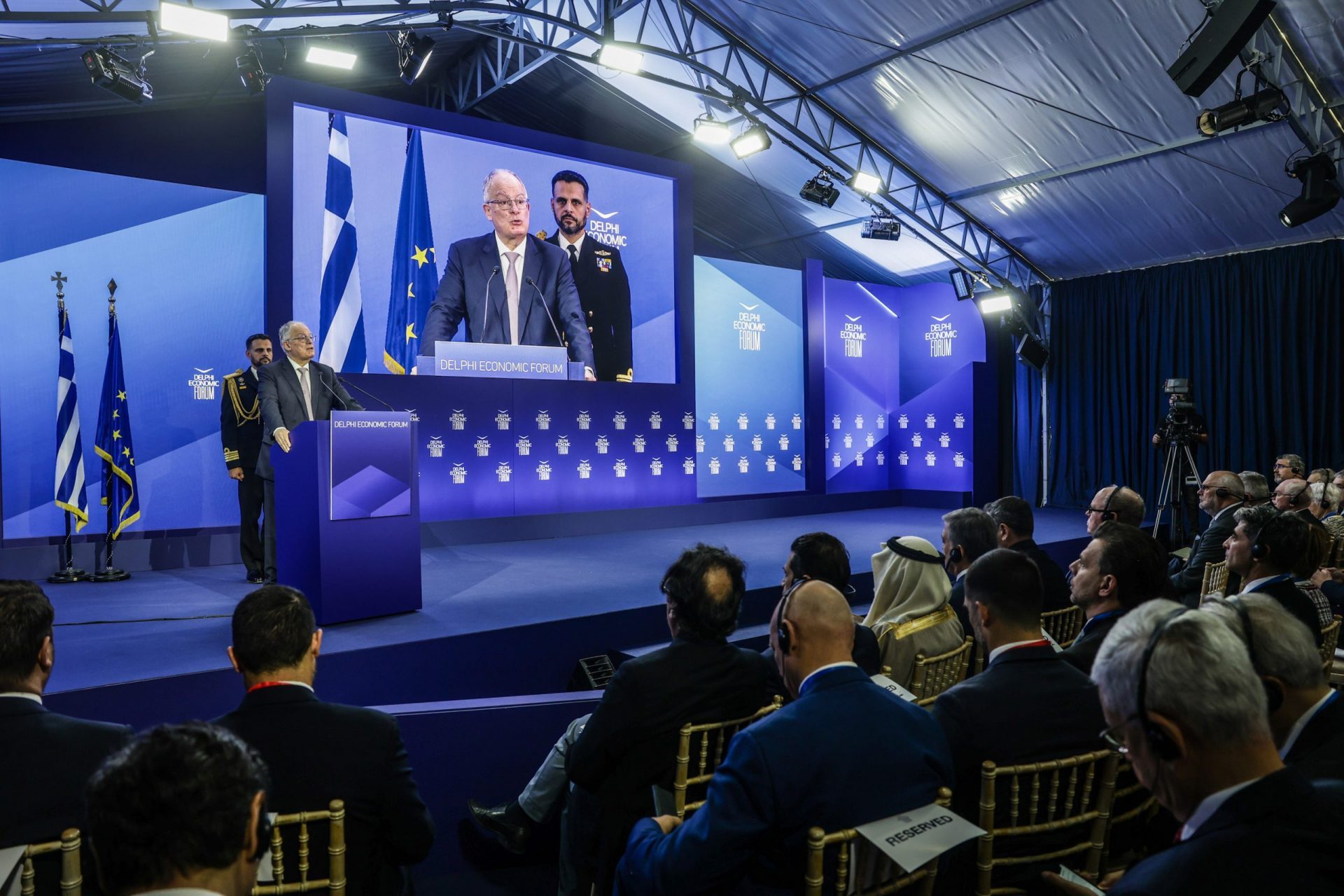
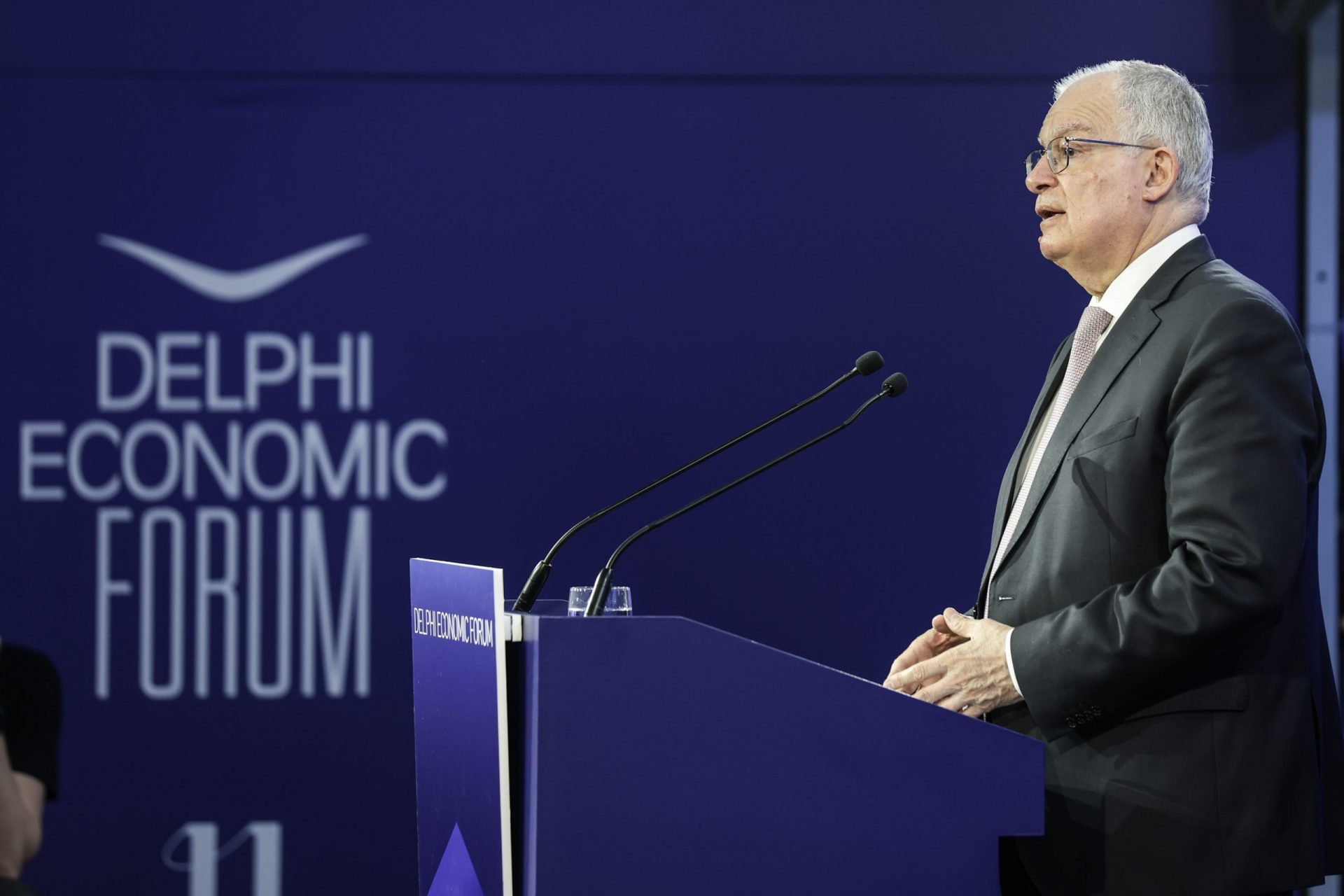
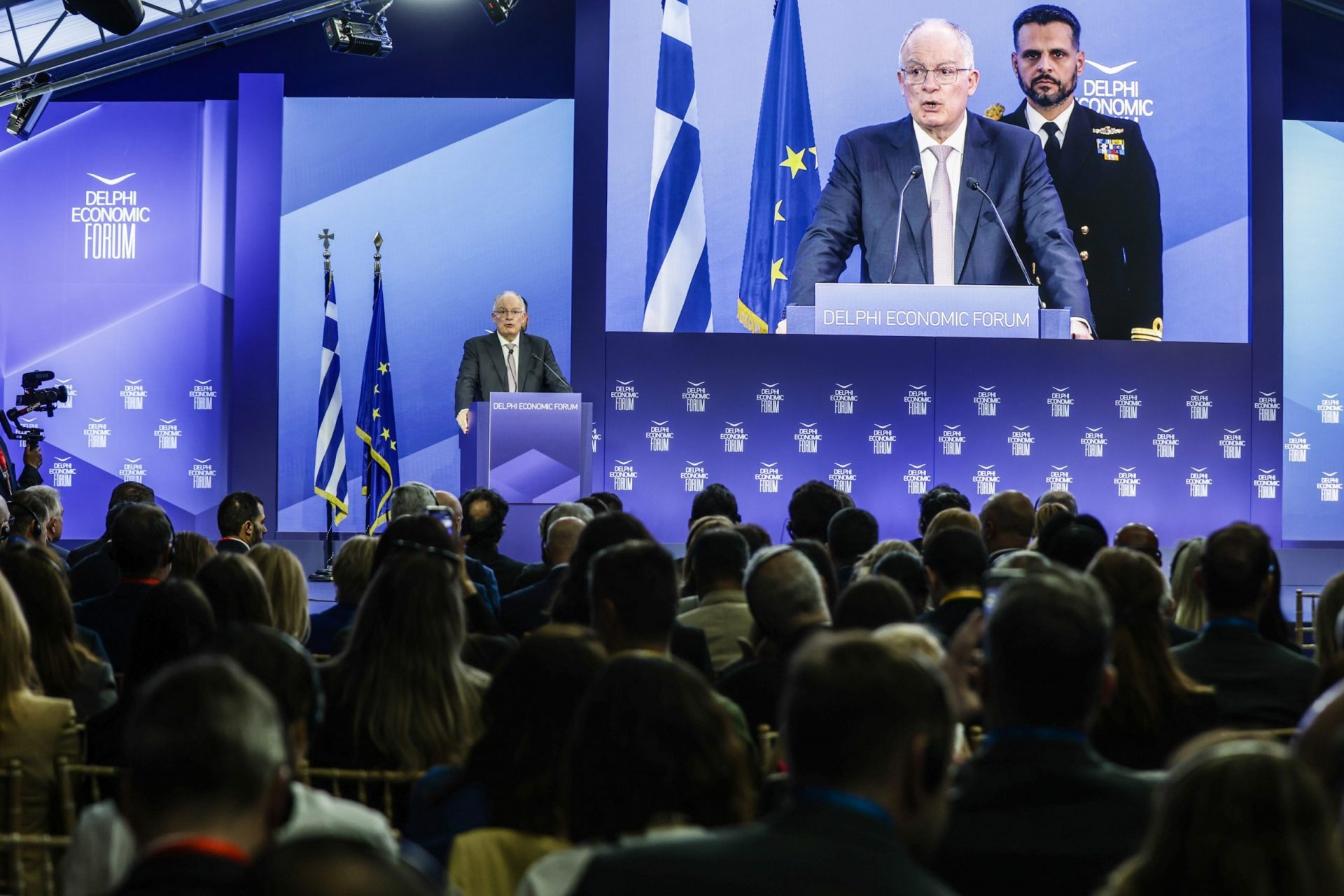
With these thoughts, I declare the opening of this year’s Delphi Economic Forum and I hope that the discussions to be held here over the coming days will shed light on the various aspects of a world that is changing rapidly.
Thank you very much.”