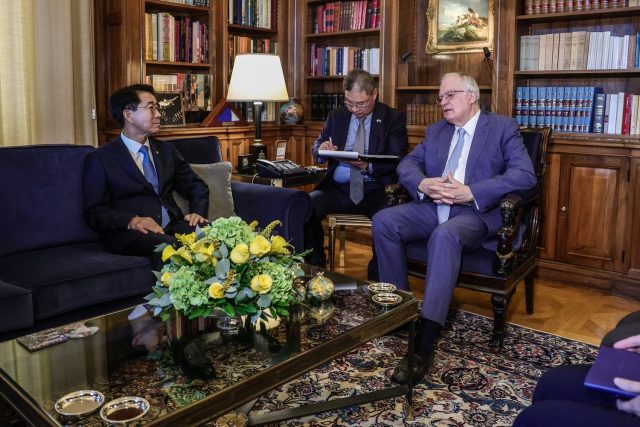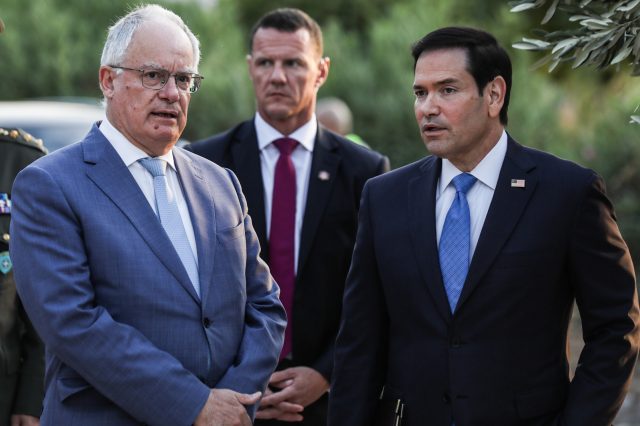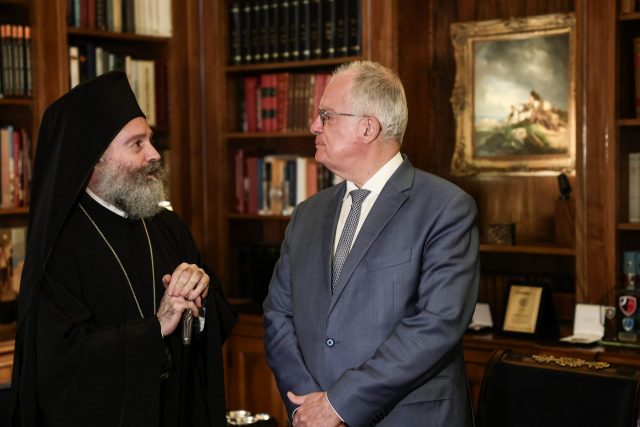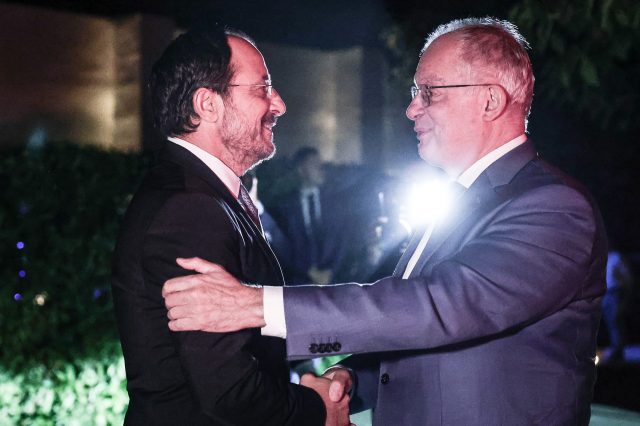
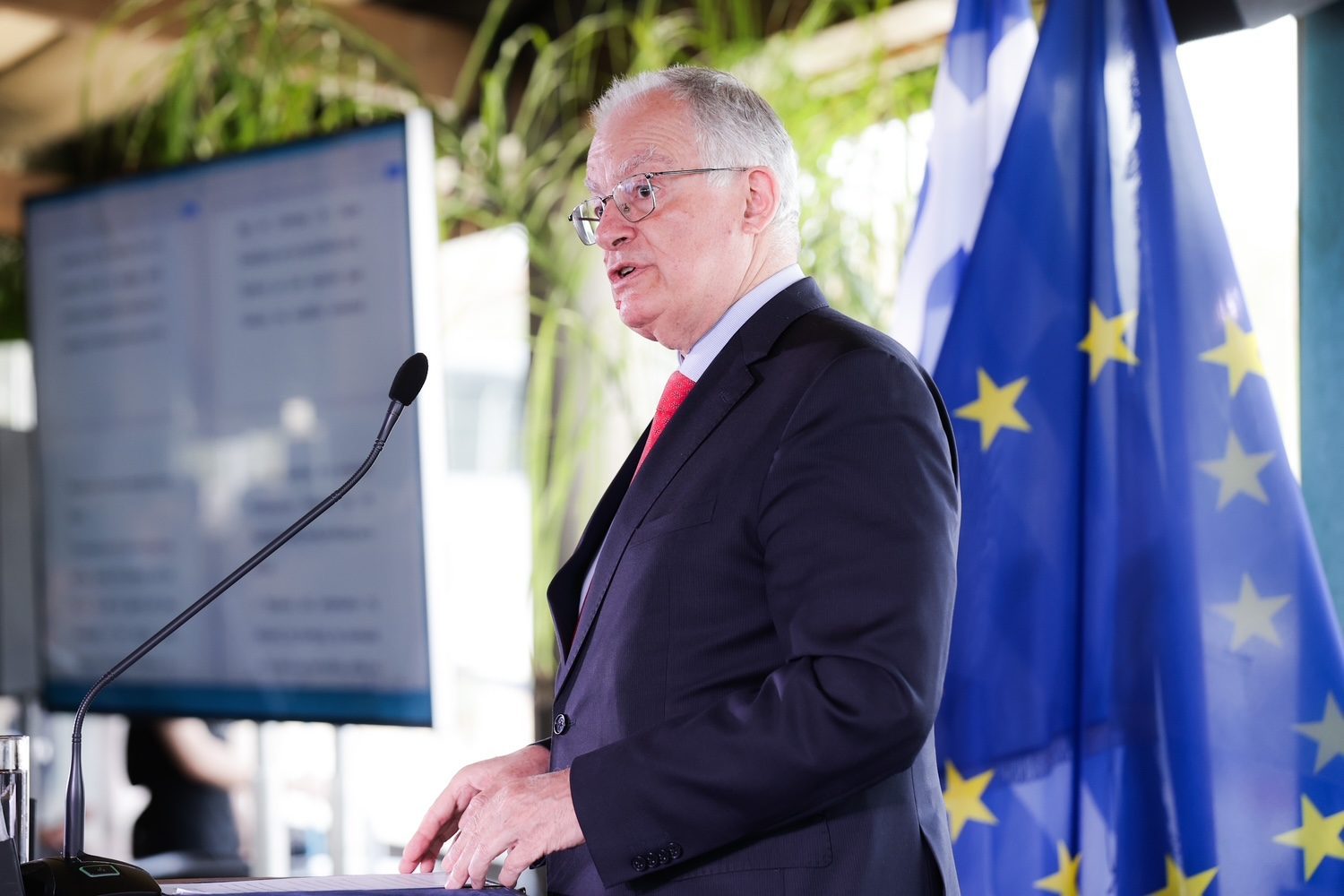
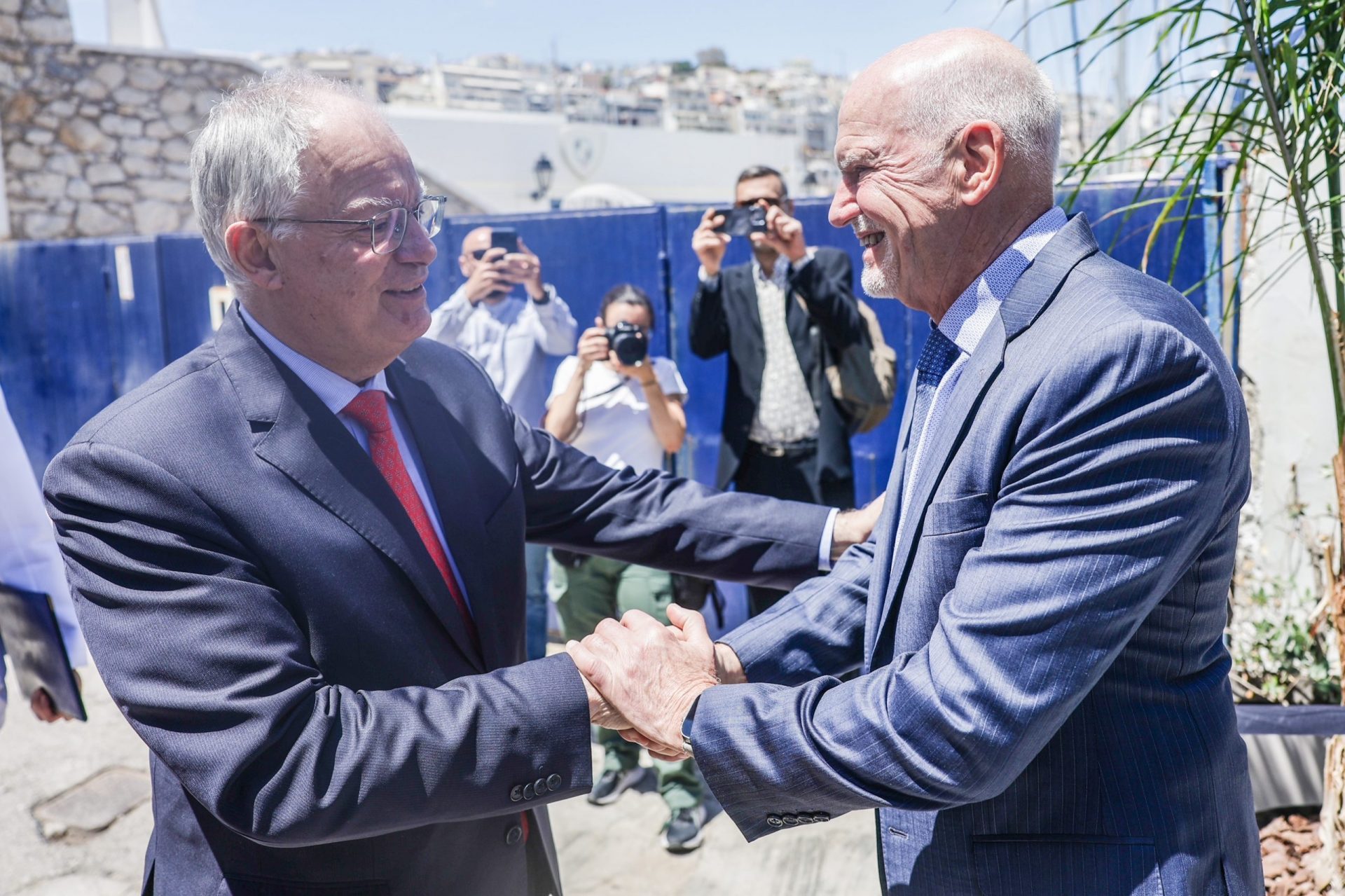
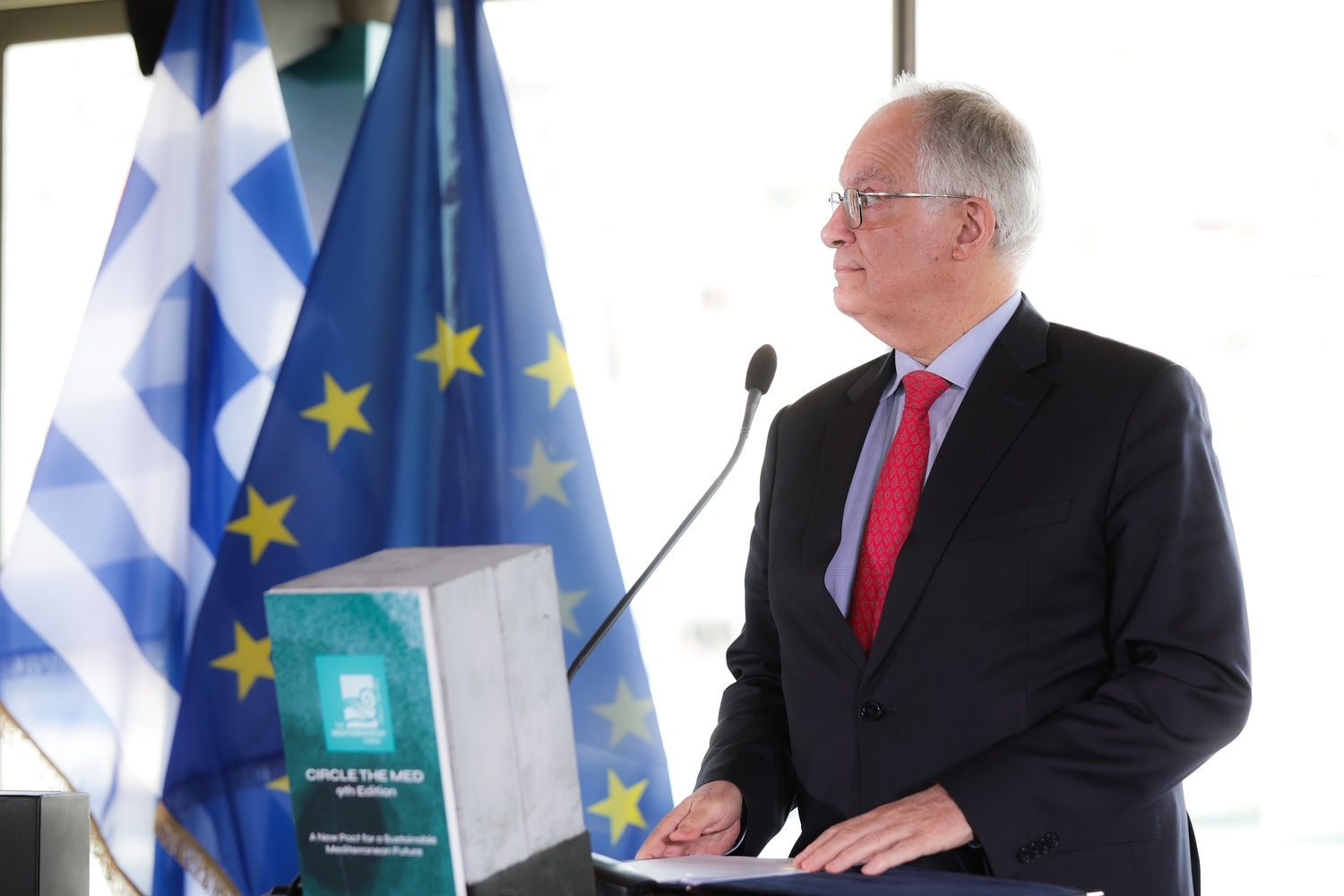
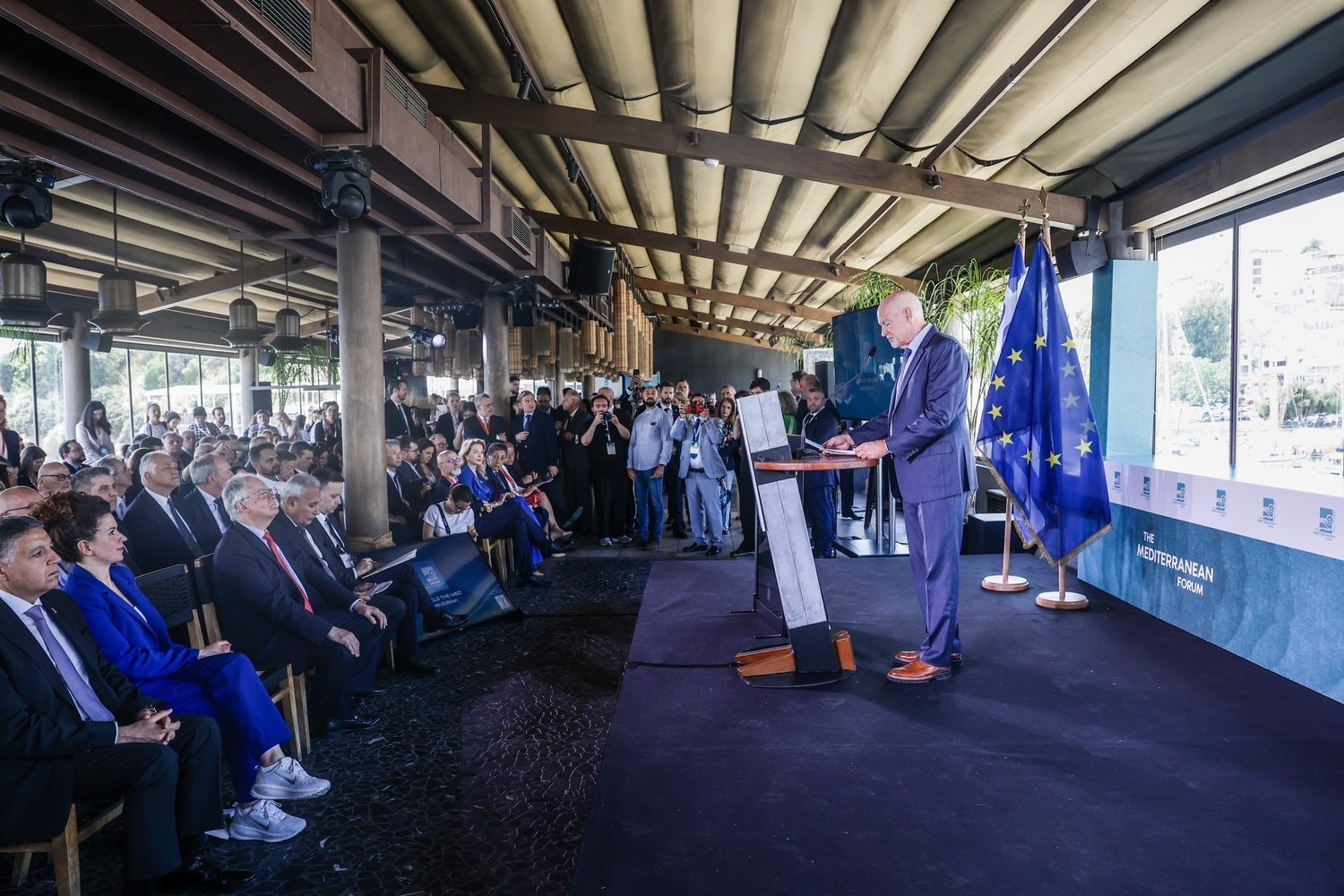
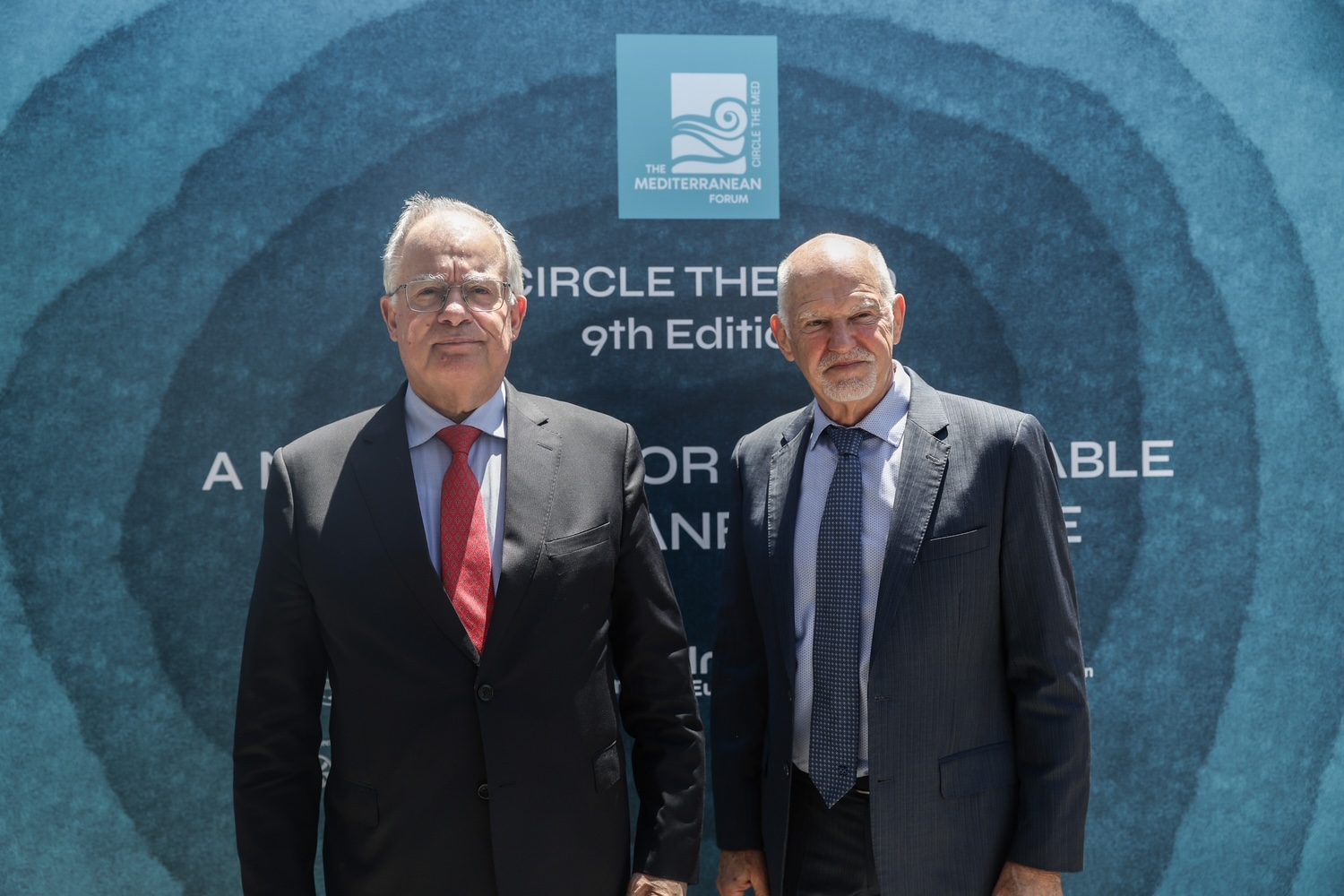
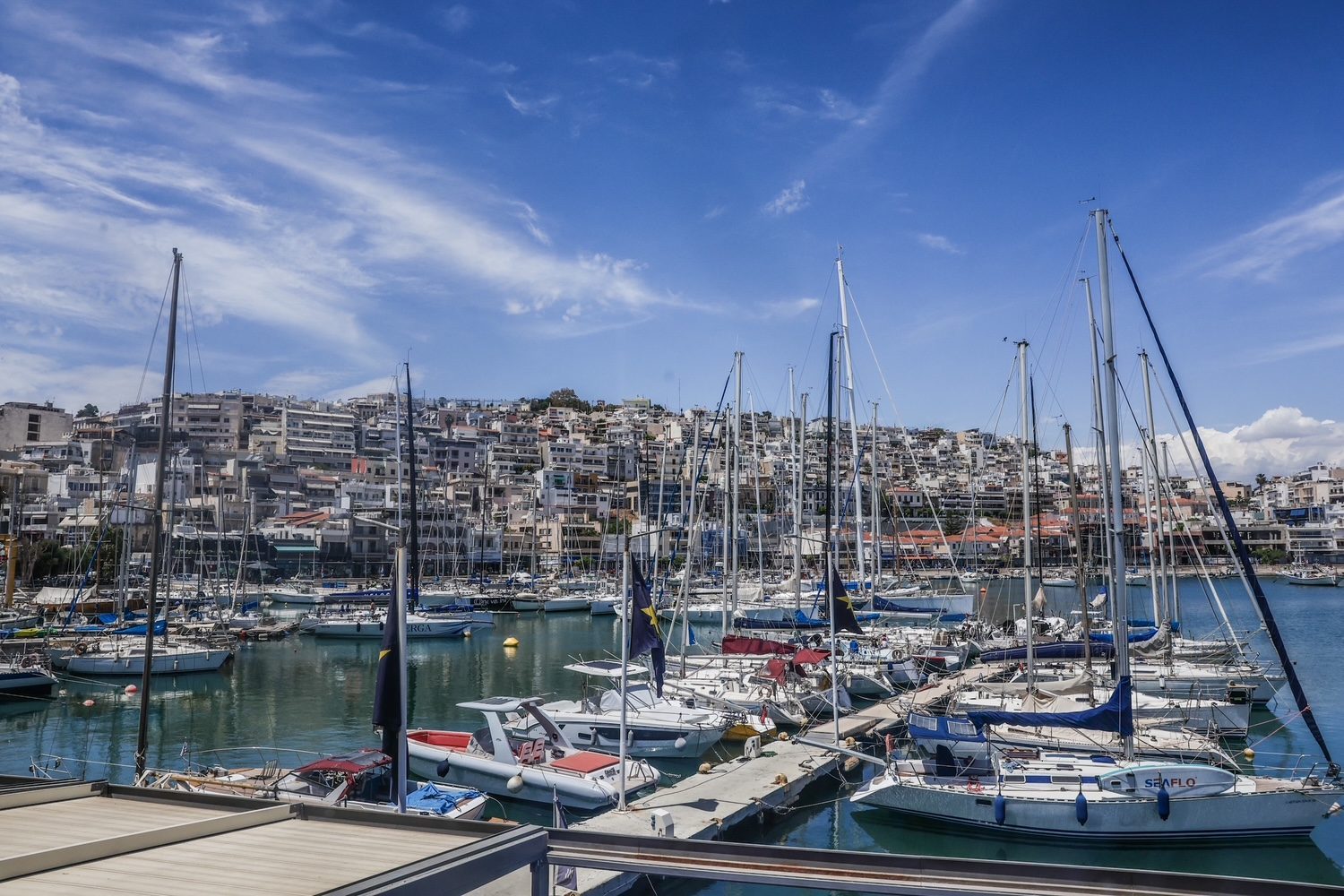
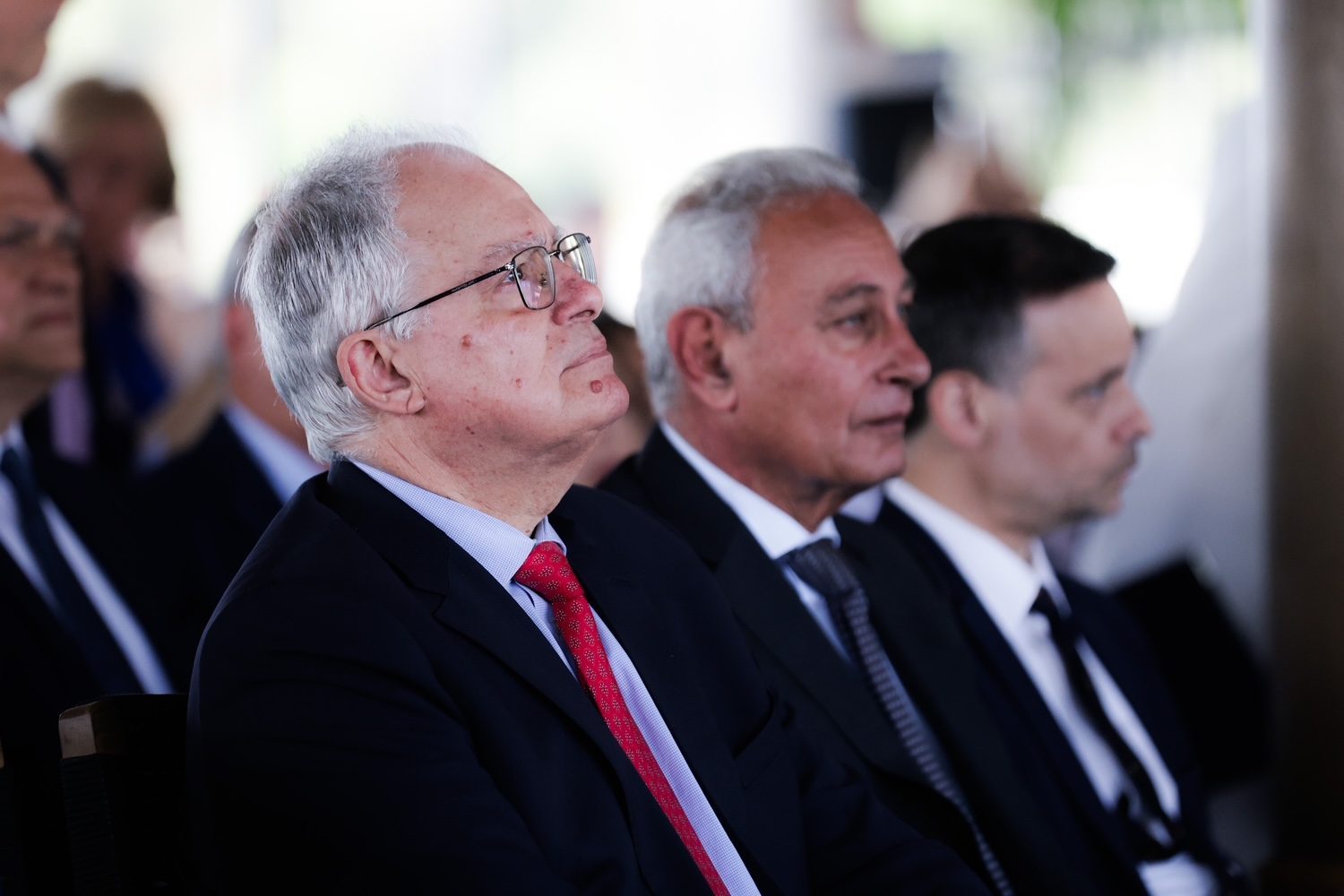
The President of the Hellenic Republic Constantine An. Tassoulas, declared the opening of the 9th Conference “Circle the MED – The Mediterranean Forum” titled: “A New Pact for a Sustainable Mediterranean Future. Shared Vision – Collective Action” which is held under his auspices and takes place at the Piraeus Sailing Club.
Follows the speech of Mr. Tassoulas:
“Ladies and gentlemen,
The Mediterranean is today at the center of critical transformational changes. What is happening in our region with regard to climate, energy, security, the economy, the sea, and population movements does not concern any single country alone. It concerns our common future.
With this thought in mind, I would first like to congratulate the organizers of Circle the Med and especially Mr. George Papandreou for this initiative. This is an important forum for dialogue, which contributes substantially to reflection, the exchange of well-founded views and the formation of a common perception of the future.
The presence here of representatives from politics, science, the economy and civil society, as well as experts with deep knowledge of the region’s issues, highlights the great importance of a discussion that does not remain confined to the description of problems, but instead seeks convergence, synthesis and answers for the region and the peoples of the Mediterranean.
Often, when we talk about challenges, we focus mainly on the problems and the risks they portend. However, being aware of these difficulties should not lead us to bewilderment or pessimism. Major changes also bring with them the need for a new beginning. To rethink our priorities, to seek new forms of understanding, to work with a plan on issues that concern us all. Our optimism is founded on the conviction that nothing is predetermined and that the future of the Mediterranean can be jointly shaped by ourselves.
This, however, assumes that we move beyond the logic of mere crisis management. The Mediterranean needs a new commitment to its sustainable future: a shared vision and collective responsibility. A vision that will invest in the potential of our region. And yes, there is enormous potential.
We are reminded of that by the language of history itself. For Strabo, the Mediterranean was “the sea within our region, as it is referred to by us.” For the Romans, later on, it was the Mare Nostrum.
Progress in our region has always been the result of contact and dialogue. The Homeric tradition has bequeathed to us one of the oldest and most powerful images of the sea. Along the shores of the Mediterranean, peoples, religions, traditions, and cultures coexisted, met and created together. Trade routes flourished, ideas were exchanged, and knowledge was passed on.
Philosophy, science, law, art and the languages that have shaped the history of Europe and the world spread from Ephesus to Gibraltar. Ancient Greek and Latin, Zeus and Christ, were born in the Mediterranean; in this sea, ideas were born that traveled far beyond its boundaries.
This historical journey makes our responsibility today even more crucial. In the very region where civilizations and bonds spanning centuries were forged, the climate crisis, environmental pressures, geopolitical instability, energy security and economic inequalities now create a challenging landscape that affects the stability, growth and cohesion of our societies.
This becomes particularly evident in the Mediterranean. A sea that is small in area compared to the oceans, yet exceptionally rich in biodiversity, sustains millions of people along its coasts, islands, and coastal cities. At the same time, the region is warming faster than the global average and is facing increasing pressure on its natural resources.
In the energy sector, this need is already evident. The green transition, energy interconnections, renewable energy sources and new technologies can transform the Mediterranean into a field of cooperation and stability. They can strengthen the region’s security and development, provided that this transition is just and does not leave behind societies, regions and people.
The same applies to the sea. The protection of marine ecosystems, islands, coastlines, and water resources is a condition for life for local communities and the foundation of sustainable development. Respect for nature’s limits and the prudent use of the Mediterranean’s resources can support resilience and prosperity.
That is precisely why any meaningful response must begin with the recognition that the countries of the region, with their different histories, needs and capabilities, share a common reality.
In this discussion, Greece, as a European and Mediterranean country, at a critical crossroads among Europe, the Middle East and Africa, approaches with full awareness of its position and responsibility. Its history has been written largely on the sea. On the routes, in trade, in seafaring, in its encounters with the world. It is for this reason that the Greek presence carries a distinct historical and symbolic weight.
Ladies and gentlemen,
In the Mediterranean of civilizations, a critical part of global peace has, throughout history, been at stake. Especially today, in an environment where conflicts and geopolitical tensions at the borders and around the Mediterranean create uncertainty, international security takes on particular significance. The question is how power will be used in our time. In the service of peace, or as a means of coercion?
Earlier generations did not have more means than we do. Yet, at critical moments, they had the ability to think beyond the immediate horizon of their time.
We, too, find ourselves at a critical moment. We have a responsibility toward the present and, above all, toward the future. The Mediterranean does not need only analysis of the challenges. It needs the will to act. It needs coordination among governments, cooperation among institutions and sustained work over time. Initiatives for peace, protection of the environment, energy, equitable growth and the younger generations.
In this context, the European Union’s new Pact for the Mediterranean, adopted last November, constitutes an important milestone in the course of cooperation between the Member States of the European Union and the countries of the Mediterranean. Based on this Pact and guided by the principles of the United Nations Charter and mutual understanding, we can build a more peaceful and sustainable future for all Mediterranean countries.
With this conviction, and with my best wishes for productive work at your forum, I thank you.”