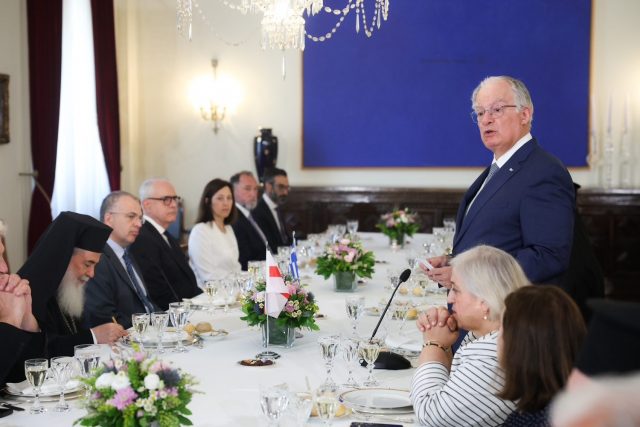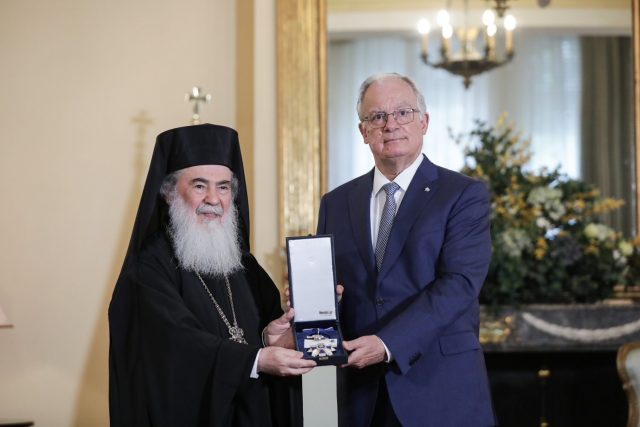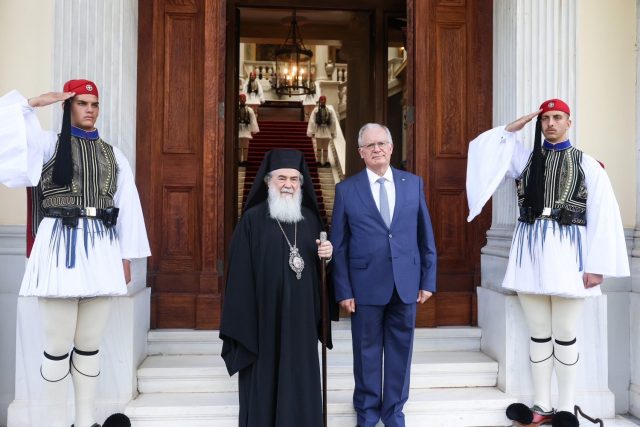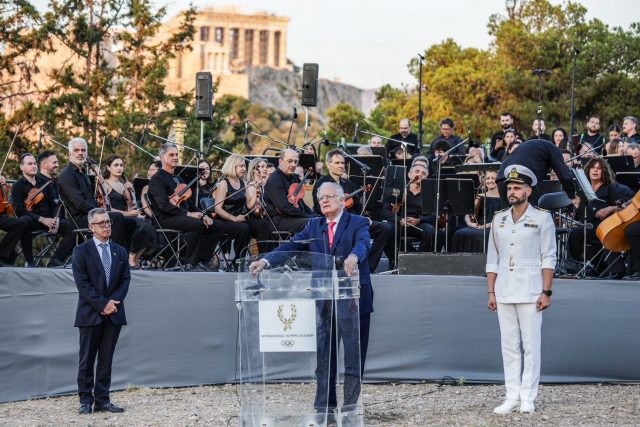
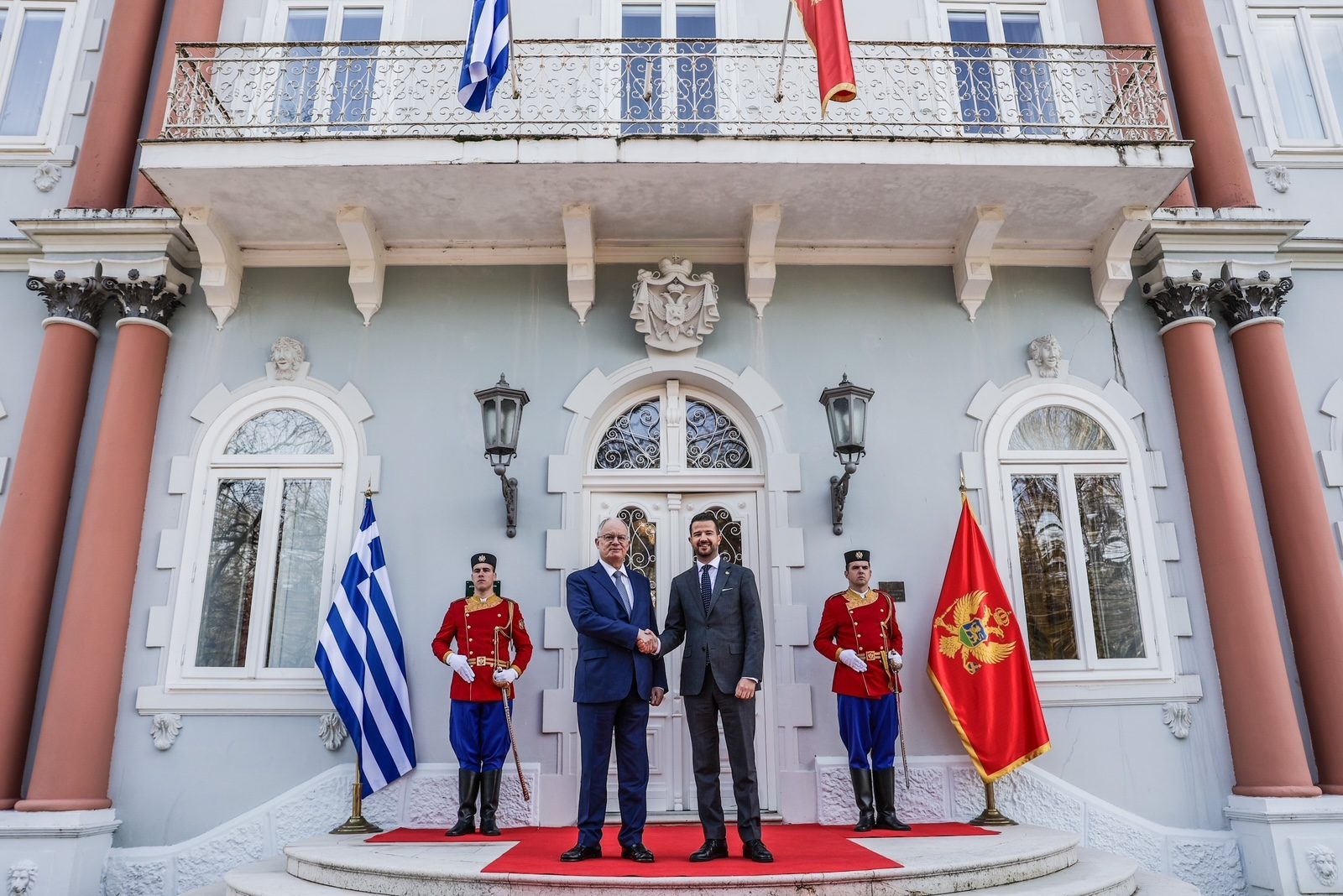
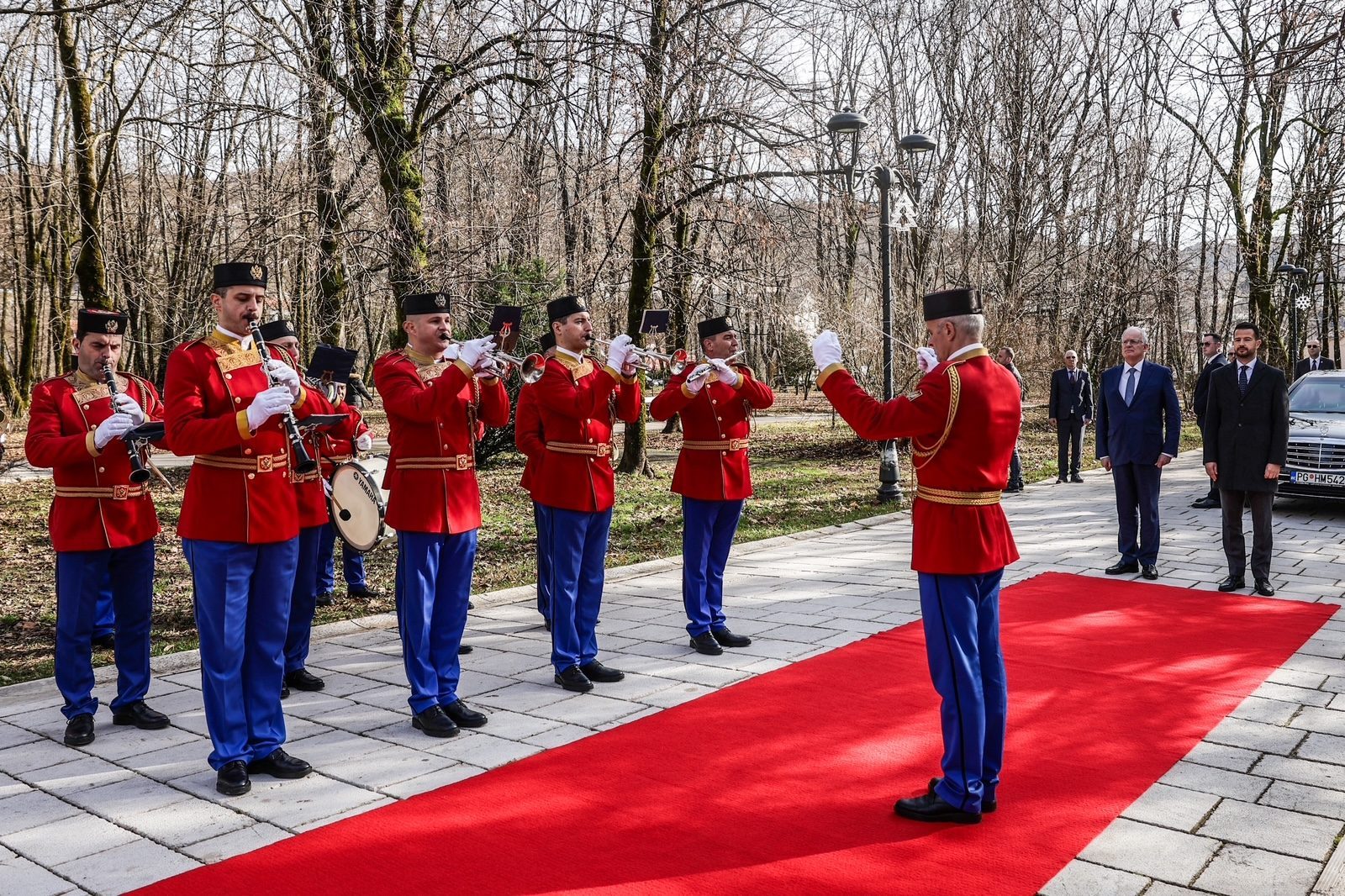
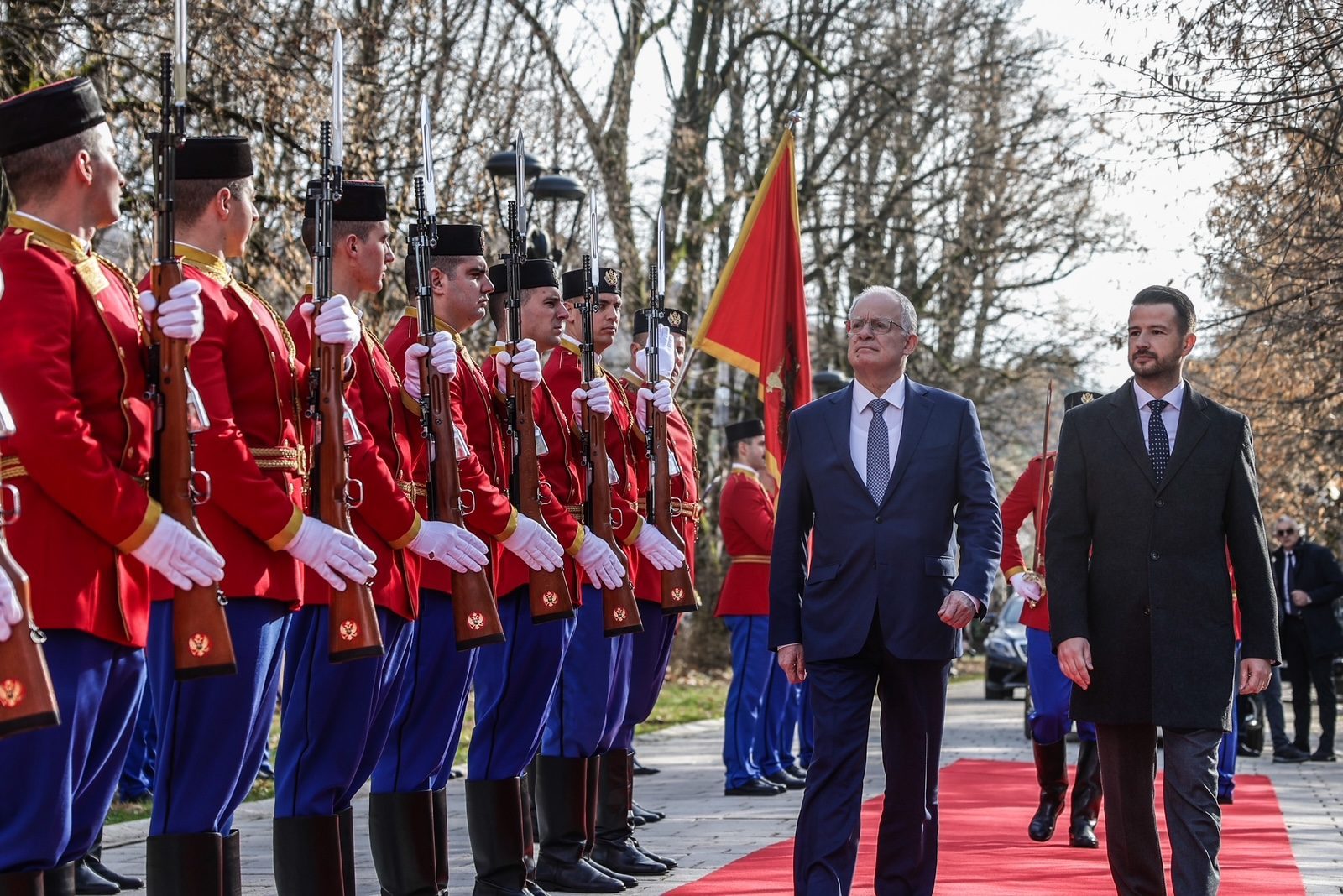
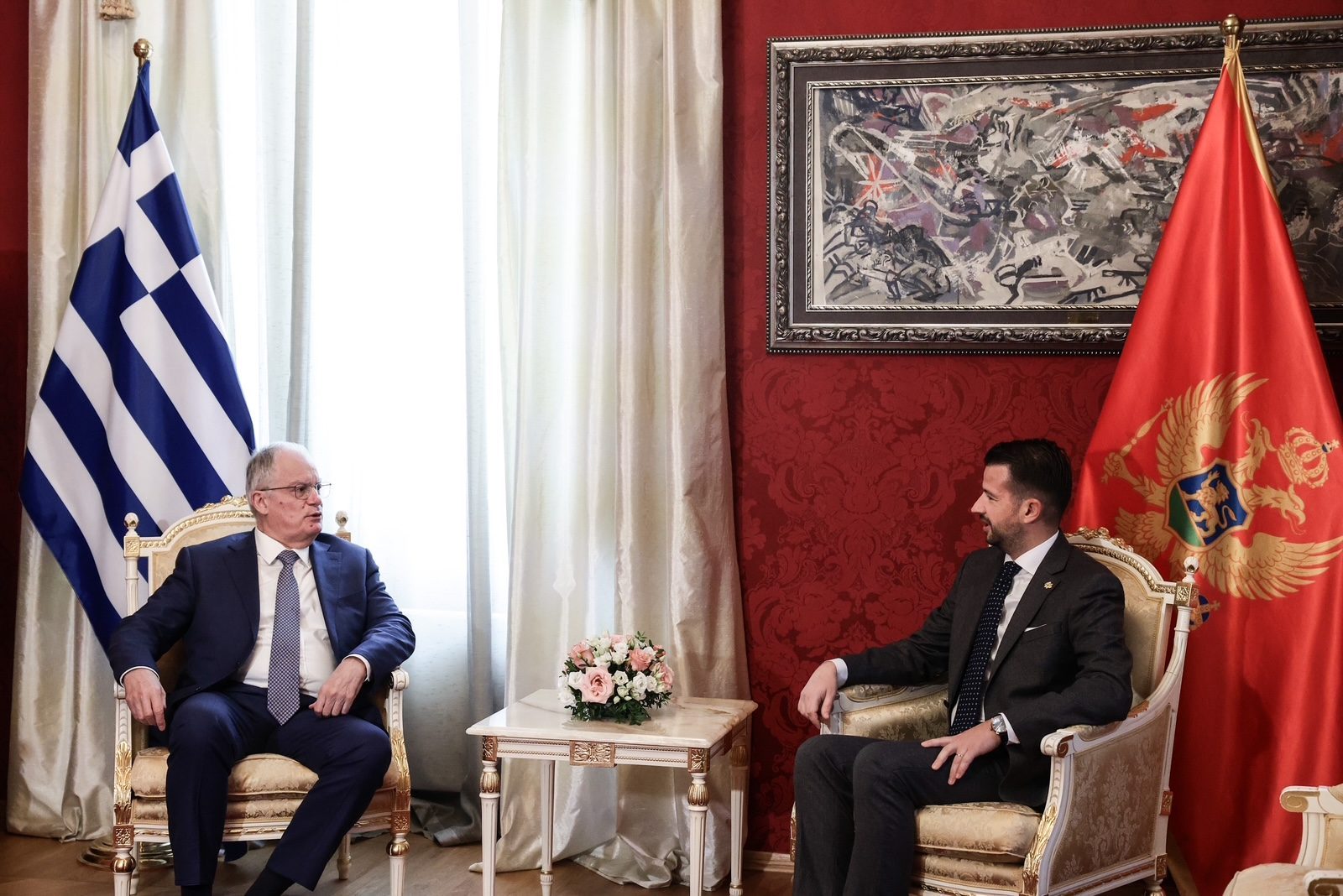
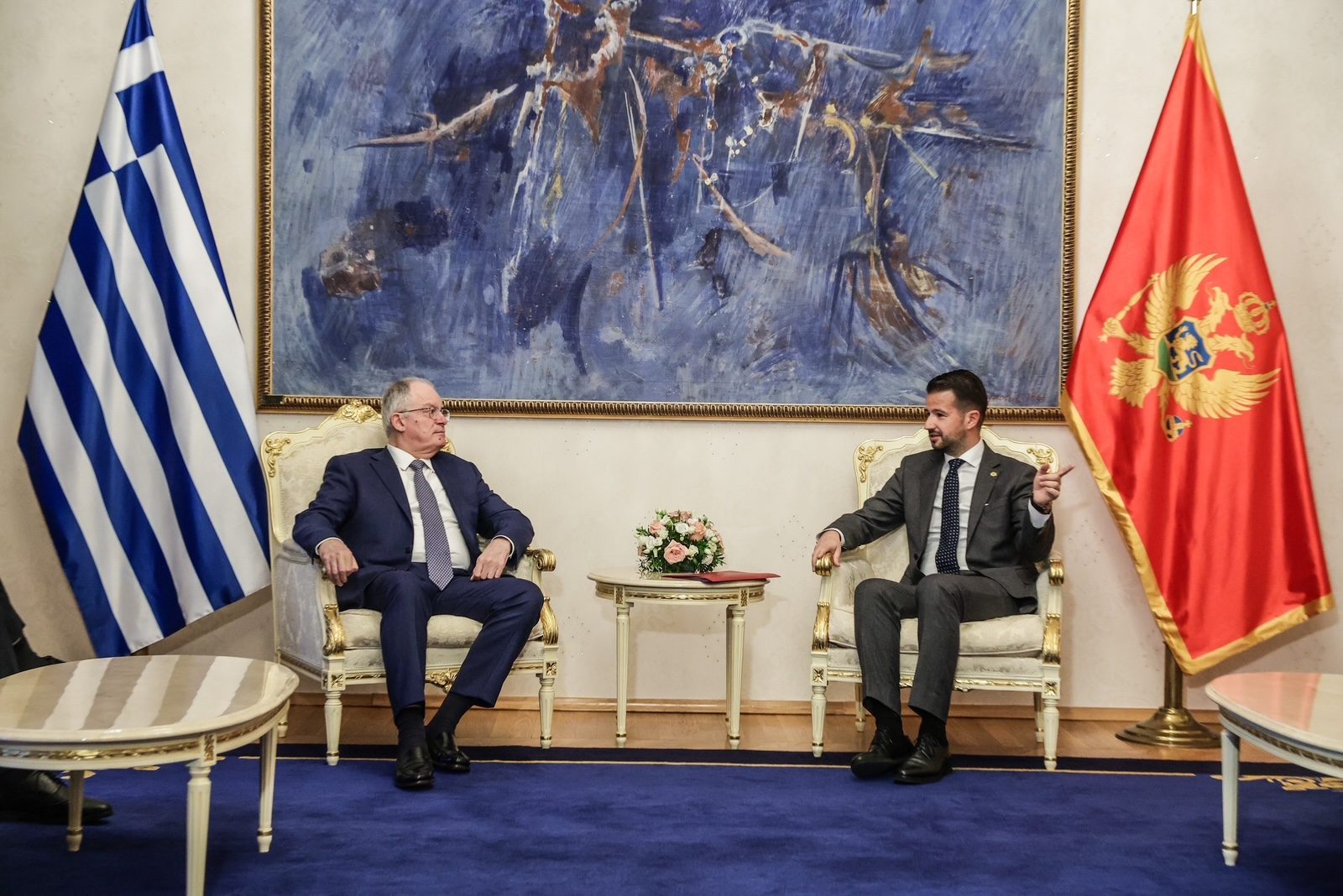
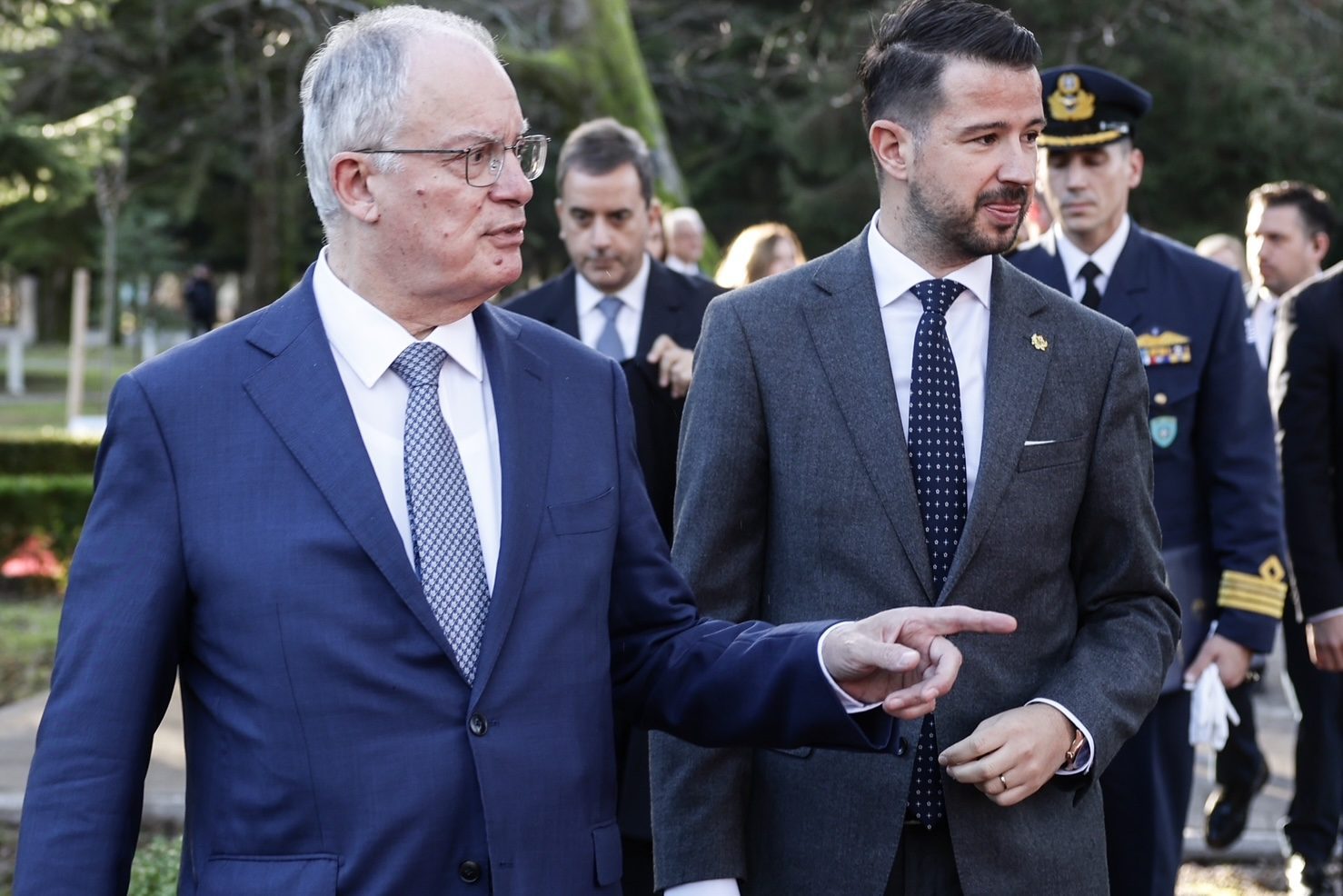
The President of the Hellenic Republic Constantine An. Tassoulas, is making an official visit to Montenegro, following an invitation from President Jakov Milatovič.
After the welcoming ceremony, the two Presidents had a tête-à-tête at the Presidential Mansion (Blue Residency – Cetinje), followed by extended talks between the delegations.
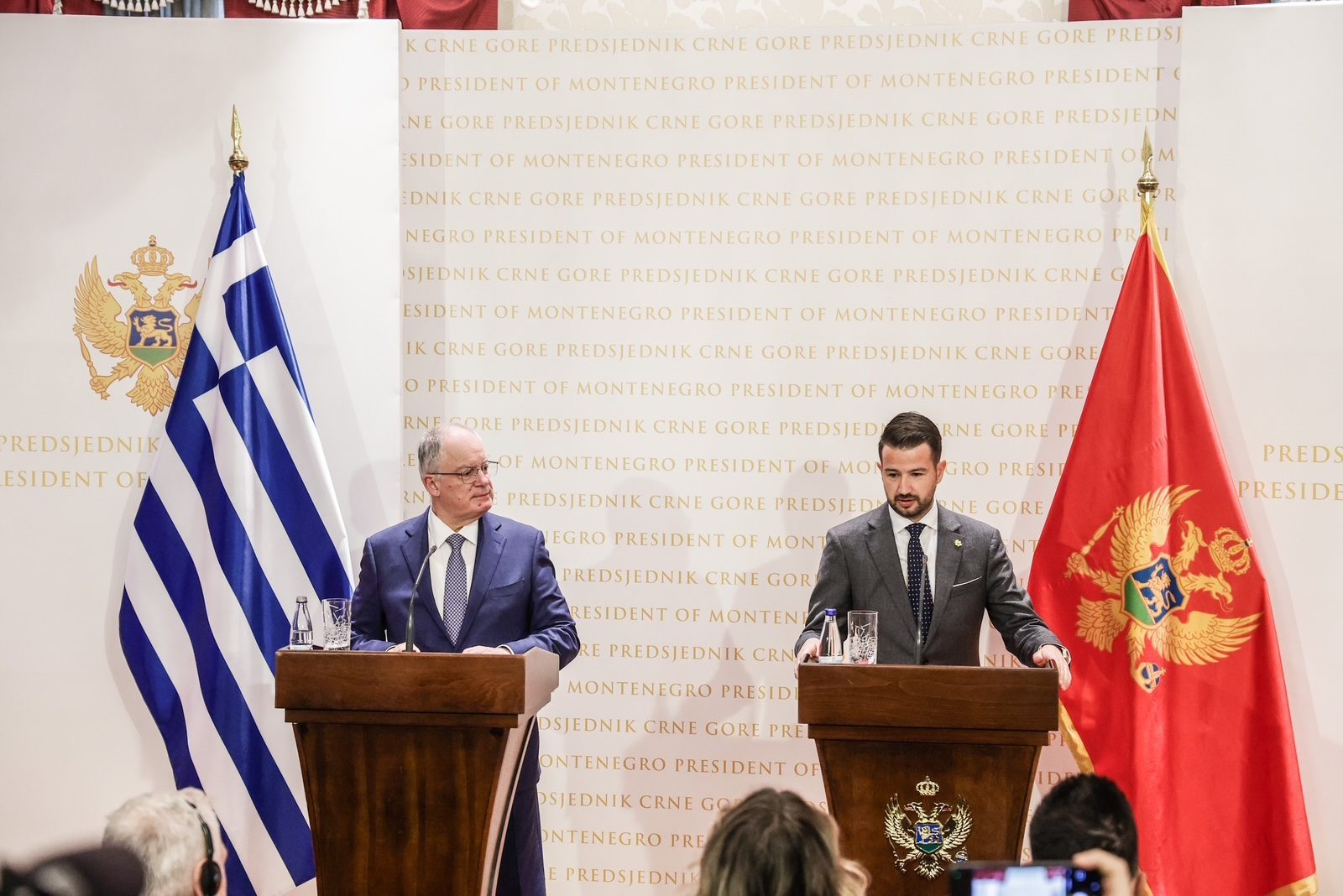
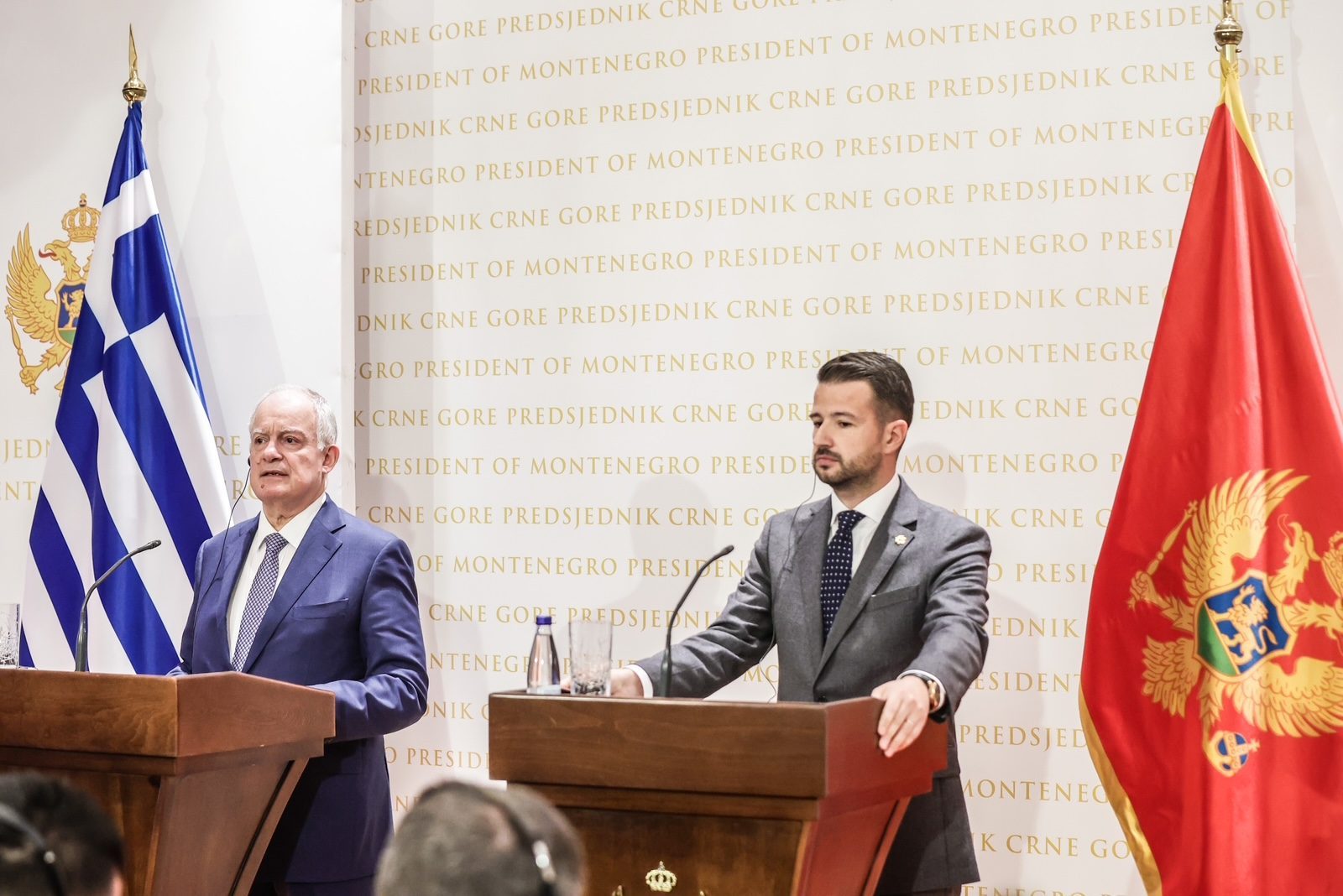
During the joint press conference, Mr. Tassoulas stated the following:
“Mr. President, dear friend Jakov,
It is with great pleasure that I am here today in Montenegro, on the second official visit of a President of the Hellenic Republic since your country declared its independence. I would like to publicly express my gratitude for the warm welcome and hospitality you have extended to me and the Greek delegation.
Greece and Montenegro are bound by historical ties of friendship which extend far beyond the 143 years of our excellent diplomatic relations.
They are based on the shared religious, cultural and democratic values, as well as our substantial common understanding of the principles of peaceful coexistence, good neighbourly relations and respect for International Law, which should govern relations between states.
The person, Mr. President, who most characteristically embodied the historical relationship between the two peoples is none other than the true son of Montenegro and the brilliant hero of the Greek Revolution against the Ottoman Empire, Vasso Mavrovouniotis, or Vasso Brajović, who fought for the freedom of my homeland, becoming a symbol of hope for the subjugated peoples of the Balkans, who were still under the Ottoman rule.
Stepping, thus, on this solid historical foundation, we had the opportunity to discuss with President Milatovič the progress of our excellent bilateral relations, as well as the prospects for further development of our cooperation in a number of areas of common interest, from defense and energy to tourism and culture.
In this context, it was commonly acknowledged that the upward trajectory of our relations is reflected, among others, in the field of economic cooperation, as bilateral trade continues to grow, as you mentioned. Of course, there is no doubt that there are areas such as energy, infrastructure, innovation and the green transition that can contribute to the expansion of our cooperation. In this direction, we have agreed to strengthen contacts between the business communities of Greece and Montenegro.
At the same time, with regard to connectivity through the implementation of cross-border infrastructure projects, I expressed my conviction that the completion of the Adriatic-Ionian highway will enhance the seamless movement of people and goods on the Adriatic – Ionian coast, further promoting trade, tourism and the overall economic activity in our region.
Another characteristic example of the development of our cooperation is tourism, as the air connection between Athens – Podgorica has contributed significantly to the increase in visitors from Montenegro, making Greece a popular summer destination for you.
Furthermore, with President Milatovič, we exchanged views on the European course of Montenegro, but also of the Western Balkan countries as a whole.
In this context, I would like to publicly express Greece’s congratulations for the diligent efforts that Montenegro is consistently and resolutely making in order to become the 28th member of the European Union as soon as possible.
As I have stressed, Montenegro serves as a model in terms of its accession process, demonstrating that commitment to the necessary reforms and fulfillment of the relevant conditions can bring closer the goal of full membership in the European Union. Allow me, therefore, to reiterate that Greece warmly supports Montenegro’s accession process and stands ready to assist the country on its European path, provided, of course, that Montenegro continues to actively demonstrate the same zeal in its commitment to the strategic goal.
The same, of course, applies to all the countries of the Western Balkans, whose European course Greece has consistently supported, provided that good neighborly relations are respected and the necessary reforms are implemented, particularly in the areas of the rule of law and human rights. I also had the opportunity to brief the dear President of Montenegro on the developments in our relations with Turkey and the situation in the Eastern Mediterranean. I stressed that Greece sincerely wishes for good neighborly relations and dialogue guided by respect for International Law, provided, of course, that the other side demonstrates in practice the same commitment to the values of peaceful coexistence and cooperation, avoiding actions and rhetoric that could undermine the peaceful climate that has prevailed in the region in recent times.
With regard to the Cyprus issue, I stressed the necessity of resuming talks from the point at which they were interrupted, with the aim of finding a fair, viable and functional solution based on the decisions of the United Nations Security Council and the European acquis. On this occasion, Mr. President, I would like to thank you once again for the principled stance your country maintains on the Cyprus issue, as well as for your contribution to the United Nations peacekeeping force.
In closing, I would like to emphasize that we exchanged views with President Milatovič on critical issues currently affecting our wider region and the world as well, with an emphasis on Russia’s ongoing attack on Ukraine and the still very fragile situation in the Middle East.
We shared the view that the only path to peace and prosperity for all peoples remains respect for international law and the principles embodied in the Charter of the United Nations. Greece and Montenegro, as neighbors, NATO allies and future partners, soon, I hope, in the European Union, will continue to uphold these principles and work closely together, as they have done throughout the history of their bilateral relations, to build a future of peace and development in the Balkans, in Europe and beyond. With these thoughts, I warmly thank you once again, Mr. President, for your hospitality and I look forward to welcoming you soon in Athens.
For his part, the President of Montenegro, Jakov Milatovič, welcomed Mr. Tasoulas, a “great friend of Montenegro,” as he said, emphasizing that “the visit—the third visit by the Greek President abroad—confirms the traditionally good and friendly relations between the two countries.”
“The Hellenic Republic,” he continued, “is one of the first active members of the Group of Friends of the Western Balkans and strongly supports the European Union’s enlargement policy and our accession.
Through this consistent support, Greece recognizes the importance of the region’s integration into the European Union and the important role of Montenegro as a country that is leading the way in this process. It is important to note that Greece will hold the Presidency of the Council of Europe in the second half of 2027, a period during which we expect Montenegro to be in the final stage of the accession process. ”
“Our countries,” he added, “are allies in NATO and this further strengthens our alliance and friendship, especially in the field of defense. I would like to remind you that Greece protects our airspace, together with Italy.
Additionally, many members of the army of Montenegro have been trained for years in the Greek military academies and in this way Greece and Montenegro are developing cooperation in this field. Montenegro and Greece have an intensive political dialogue and have developed cooperation in the fields of tourism, education and culture.
In Montenegro, we are always happy to welcome visitors, but especially those who are our friends. For Montenegro, Greece is a great friend, one of our greatest friends,” he concluded.
The President of the Hellenic Republic, Konstantinos An. Tassoulas, responding to a question regarding the prospects for the European course of the Western Balkans, given the current critical juncture for Europe and the EU, and how our country can help both Montenegro and the other countries, stated:
“As you know, Greece adopted the landmark Thessaloniki Declaration in 2003 and has since led the way as one of the 27 full members of the European Union in the effort of integration and accession of the Western Balkans into the European Union.
We are confident that this will contribute decisively to the consolidation of stability, peace and growth dynamic in the Western Balkans region. Additionally, this prospect, as it becomes increasingly feasible, will create among our neighbors in the Western Balkans an atmosphere, a sense, an ambition to accelerate their efforts and do what is in their power as an obligation to adapt to the European acquis, in order to overcome old habits from the Balkan past, to overcome nationalist temptations or other revisionist temptations that undermine stability and peace in the region. Our country, Greece, has repeatedly emphasized these arguments for the need for integration and accession of the Western Balkans to our partners, and during the second half of 2027, Greece, as the Presiding country of the European Council, will make every effort to accelerate these processes for Montenegro, for the accession of Montenegro and, of course, all the other countries, as well.
The reasons are not only economic, or reasons of convergence, or geostrategic reasons. They are also deeply political reasons and stabilisation reasons in the face of a potential instability, which exists today, and combating the feelings of disappointment that exist among the peoples of the Western Balkans for the long period of time that has elapsed since Thessaloniki until today. And we all know the unpleasant consequences on the behavior of peoples, can cause a strong sense of disappointment and how easily this disappointment falls into the hands of populism or demagoguery and transforms it from disappointment into an anti-European stance.
That is why our country, for economic reasons, for reasons of prosperity, for geostrategic reasons, but also for reasons related to recent events that we see challenging the weight and prospects of the European Union in the international arena, supports these efforts for accession because they prove, contrary to what I said a moment ago, that the European Union captivates, the European Union attracts peoples and is not something that is outdated or weak. The confidence of the European Union as a whole will be strengthened by this enlargement, bringing into its fold the countries of the Western Balkans, which are proving today, at a time when voices of doubt are being heard, that the European Union is a high goal, a great idea for these countries of the Balkans. For these very reasons that I have explained to you, Greece has been at the forefront of this effort since 2003, and I am confident that ultimately these mediations, these actions of ours, will yield results.
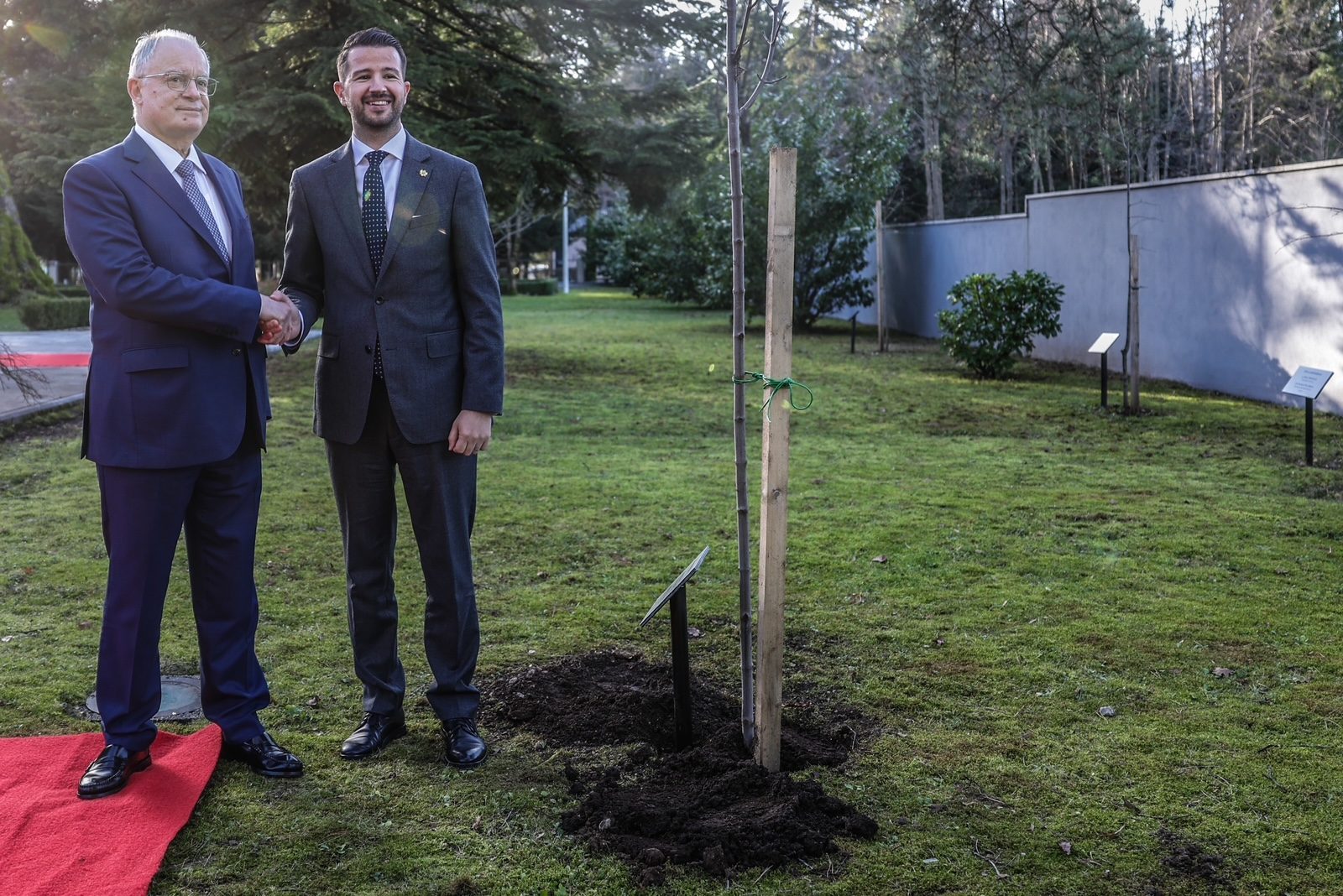
Immediately afterwards, the two Presidents planted a symbolic maple tree in the Garden of the Presidential Mansion (Blue Residency – Cetinje).
Afterwards, they departed for the city of Budva, where Mr. Tassoulas attended an official luncheon hosted in his honor by the President of Montenegro, Jakov Milatovič.
Meeting with the Prime Minister of Montenegro
The President of the Hellenic Republic Constantine An. Tasoulas will have a tête-à-tête with the Prime Minister of Montenegro Milojko Spajić.
The President of the Hellenic Republic is accompanied by Deputy Minister of Foreign Affairs Yiannis Loverdos.